
The Unsettling Release: California's 'Monster Parents Fear Most' Set Free
- Nishadil
- February 26, 2026
- 0 Comments
- 4 minutes read
- 35 Views
- Save
- Follow Topic
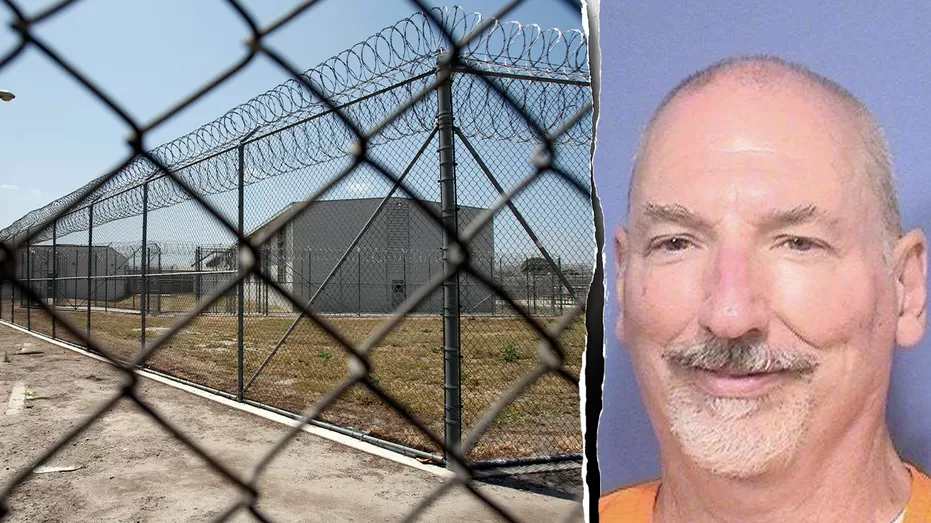
Notorious Child Predator, Bruce 'Dusty' Johnson, Granted Parole in California, Sparks Outcry
A convicted child predator, Bruce 'Dusty' Johnson, known as 'the monster parents fear most,' is set for parole in California, triggering widespread fear and outrage due to a controversial state law.
It's one of those headlines that just stops you cold, doesn't it? The kind that sends a shiver down your spine and makes you instinctively hug your children a little tighter. We're talking about Bruce 'Dusty' Johnson, a name that, for decades, has been synonymous with unimaginable horror – indeed, he’s been called 'the monster parents fear most.' And now? He’s cleared for release, here in California, and that reality is sending waves of palpable fear through communities, particularly in the San Diego area.
For anyone unfamiliar with Johnson's chilling history, let’s just say it’s extensive and gut-wrenching. We're talking about a man convicted of sexually assaulting at least 25 young boys. At least 25, mind you, over the course of decades. It's a pattern of abuse so heinous, so calculated, that it's frankly difficult to comprehend. The lasting trauma inflicted upon these innocent lives is, one can only imagine, immeasurable. This isn't just a criminal; this is a deeply disturbing individual with a long, documented track record of preying on the most vulnerable.
So, how does such a dangerous individual, a repeat offender by any measure, get a green light for release? Well, this brings us to the core of the controversy: California's Senate Bill 1391. This particular piece of legislation allows for the parole of offenders who committed their crimes before the age of 26. The thinking behind it, ostensibly, is about recognizing the developing brain of younger individuals and offering a chance for rehabilitation. But when applied to someone like Johnson, a man in his 60s whose horrific pattern of behavior stretches across many years, it feels, to many, like a profound misapplication, a loophole that puts public safety squarely at risk.
The anguish is particularly acute for the victims and their families. Take Paul Mifsud, for instance, one of Johnson’s survivors, who has bravely spoken out, sharing his agonizing story. To hear that the man who inflicted such indelible pain upon him is now simply walking free? It's a cruel twist of fate, a re-traumatization that's truly unjust. And it's not just Mifsud; the outrage is widespread. Petitions are circulating, protests are being planned – there’s a collective cry from parents and citizens alike who simply cannot fathom why such a known danger is being allowed back into society.
What’s particularly galling about this situation is that Johnson has been denied parole on multiple occasions in the past. Why? Because he was consistently deemed too dangerous, a high risk to re-offend. That determination was based on expert assessments, on his actual behavior. Yet, this new law, SB 1391, essentially overrides those previous, well-founded concerns. It's a stark reminder of how policy, even with the best intentions, can sometimes lead to incredibly unsettling outcomes, creating a sense of betrayal among those who rely on the justice system for protection.
The big question now, the one that keeps many parents awake at night, is 'where?' While the exact location of his release remains somewhat vague for obvious reasons, reports suggest he's expected to settle in San Diego County, perhaps even near El Cajon. Can you imagine the heightened anxiety for families in those areas? It's not just a theoretical threat; it's a very real, very close concern that someone known for such horrific acts will soon be living among them. The need for constant vigilance, for clear and transparent communication from authorities, becomes absolutely paramount.
Ultimately, the impending release of Bruce 'Dusty' Johnson isn't just a local news story; it’s a national conversation starter about the delicate balance between rehabilitation, justice, and crucially, public safety. It forces us to confront uncomfortable questions: At what point does a perpetrator's right to parole outweigh the community's right to feel safe? And how do we ensure that laws designed for one purpose don't inadvertently open the door for individuals who truly are, and remain, the monsters parents fear most? It’s a situation that leaves many of us feeling a profound sense of unease, hoping against hope that the community remains vigilant and safe.
Editorial note: Nishadil may use AI assistance for news drafting and formatting. Readers can report issues from this page, and material corrections are reviewed under our editorial standards.


