
The Lingering Echo: How Nine Words Defined a Crucial Moment for Hillary Clinton
- Nishadil
- February 27, 2026
- 0 Comments
- 5 minutes read
- 59 Views
- Save
- Follow Topic
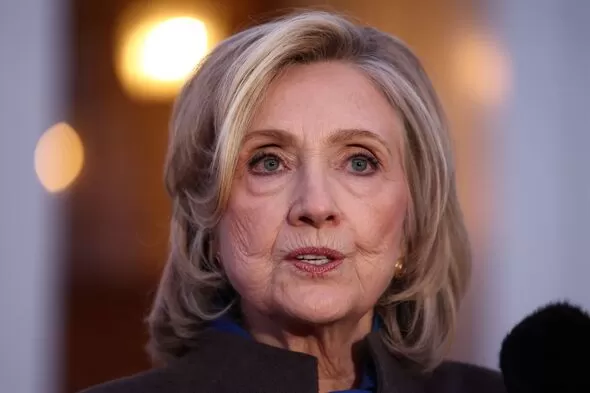
Hillary Clinton's Infamous Nine-Word Benghazi Remark Continues to Spark Debate
Explore the enduring impact of Hillary Clinton's controversial 'What difference at this point does it make?' comment during the 2013 Benghazi hearing, analyzing its context, public reaction, and lasting political significance.
You know, it’s quite fascinating how, in the whirlwind world of politics, a single phrase – sometimes just a handful of words – can unexpectedly crystallize a moment, define a career, or even shape an entire public narrative. For Hillary Clinton, that indelible mark was undeniably left by a particular nine-word question, uttered during a heated Senate hearing back in 2013: "What difference at this point does it make?" It’s a statement that has, without a doubt, echoed through her career, becoming a lightning rod for criticism and a concise shorthand for her detractors.
The scene itself was undeniably charged, really. Picture it: January 23, 2013. Clinton, then serving as Secretary of State, found herself facing an intense grilling from the Senate Foreign Relations Committee. The subject? The tragic attack on the U.S. consulate in Benghazi, Libya, just months prior, which had resulted in the devastating loss of four Americans, including Ambassador Chris Stevens. The atmosphere in that room was thick with tension, with senators pressing her hard for answers concerning perceived security failures and the initial explanations provided by the administration.
And then, it happened. During a particularly pointed exchange with Senator Ron Johnson, who was persistently questioning whether the attack was spurred by a spontaneous protest or if it was, in fact, a pre-planned terrorist act, Clinton, visibly exasperated, leaned into the microphone. Her voice, firm yet tinged with a palpable weariness that many could discern, posed that now-famous query. "With all due respect, the fact is we had four dead Americans. Was it because of a protest or because of guys out for a walk one night who decided that they’d go attack an American facility? What difference at this point does it make?" The words, potent and immediately controversial, hung heavily in the air.
From that very instant, the phrase became a powerful piece of political ammunition. Critics immediately seized upon it, portraying it as cold, dismissive, and seemingly indifferent to the precise circumstances surrounding the deaths of American personnel. For countless individuals, especially those mourning the victims, it felt like a brush-off, an attempt to sidestep accountability. It was, let’s be honest, a significant public relations misstep, and it certainly didn't help her standing with a notable segment of the electorate.
Of course, Clinton herself, in the immediate aftermath and on countless occasions since, has offered her own crucial perspective. She has consistently clarified that her frustration wasn't aimed at the profound loss of life itself – how could it be? – but rather at what she perceived as political squabbling over the specific cause of the attack. She suggested that the immediate focus should be on preventing future tragedies, rather than endlessly debating the nuanced details of past events. Her argument was that the fundamental question, regardless of whether it was a protest gone awry or a deliberate terrorist act, was what actionable steps could be taken to ensure such a tragedy never happened again. A logical point, perhaps, but one that struggled immensely to cut through the intense media and political noise.
Yet, despite her earnest explanations, those nine words developed a life of their own. They became a persistent shadow over her subsequent presidential campaign, routinely resurfacing in attack ads, televised debates, and conservative media narratives. It’s genuinely fascinating, isn't it, how something uttered in a moment of acute stress can be so effectively weaponized and so deeply lodged in the public consciousness, shaping perceptions for years, even decades, to come. It’s a testament, I suppose, to the raw power of soundbites and the often unforgiving nature of political memory.
Looking back, this particular incident offers a stark, perhaps even brutal, lesson in the intricacies of political communication. In high-stakes situations, every single word carries immense weight. Even if a speaker’s intent is genuinely focused on finding future solutions and preventing harm, the perception created by a poorly chosen or easily misunderstood phrase can be incredibly difficult, if not outright impossible, to fully undo. It powerfully underscores just how paramount empathy, precise language, and careful framing are when discussing matters of life, death, and national security.
So, nearly a decade later, "What difference at this point does it make?" remains far more than just a historical quote. It stands as a poignant reminder of a critical, career-defining moment for Hillary Clinton, a phrase that continues to spark vigorous debate and vividly reflects the profound challenges inherent in navigating public discourse under the most intense scrutiny. It’s a truly powerful example of how a few carefully or carelessly chosen words, uttered under immense pressure, can reverberate through history, shaping legacies and political narratives for generations to come.
Editorial note: Nishadil may use AI assistance for news drafting and formatting. Readers can report issues from this page, and material corrections are reviewed under our editorial standards.













