The Strait of Hormuz Incident: Unpacking the US Interception of an Iranian Vessel
- Nishadil
- April 21, 2026
- 0 Comments
- 4 minutes read
- 33 Views
- Save
- Follow Topic
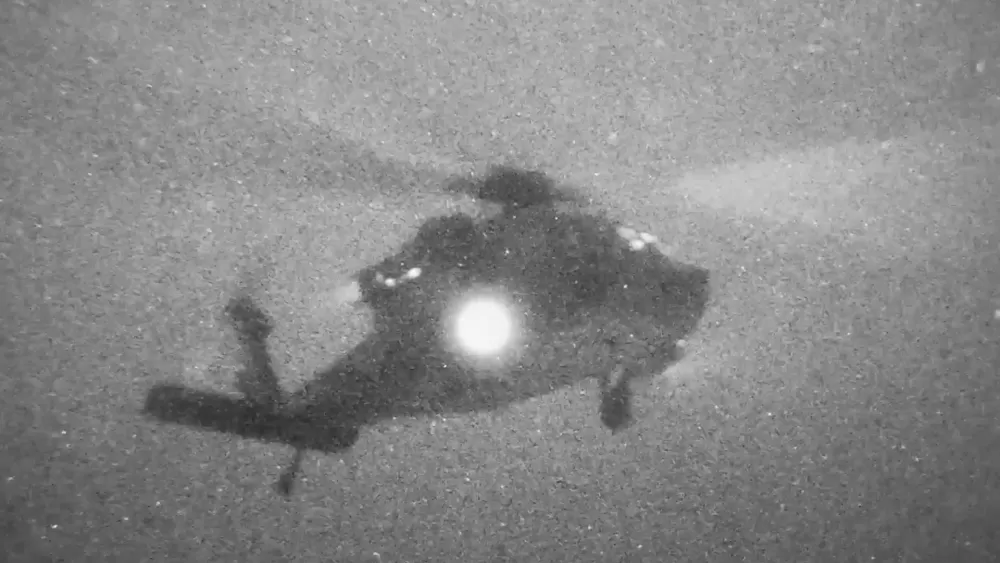
US Navy Confirms Interception of Iranian Vessel Near Hormuz, Citing Illicit Cargo Amid Heightened Gulf Tensions
A recent high-stakes operation by the US Navy in the critical Strait of Hormuz saw the interception of an Iranian vessel, once again shining a light on the persistent maritime challenges and geopolitical friction between Washington and Tehran. The incident underscores the delicate balance of power in one of the world's most vital shipping lanes.
You know, whenever news breaks from the Strait of Hormuz, the world tends to hold its breath a little. And this past week, we've certainly had reason to, with reports confirming that the US Navy successfully intercepted an Iranian vessel in those strategically crucial waters. It’s an incident that, frankly, serves as yet another stark reminder of the often-tense dynamics playing out between the United States and Iran in a region that’s so vital to global trade and energy supply.
So, what exactly do we know about what went down? Well, according to statements from US officials, the operation unfolded with a certain degree of precision, involving elements of the US Fifth Fleet. The Iranian vessel in question was apparently flagged for suspicious activity, prompting the boarding and subsequent search by US naval personnel. What they reportedly uncovered was a significant cache of illicit materials – though the exact nature and quantity are still being detailed, the implications are clear: this wasn't just an innocent passage.
From the American perspective, these kinds of interdictions are absolutely critical. They're not just about asserting presence; they're framed as essential for upholding international maritime law, combating illegal trafficking, and, crucially, preventing the flow of destabilizing weapons or components to various proxy groups across the region. It's a consistent message we hear: maintaining security and freedom of navigation through the Strait of Hormuz is non-negotiable for global commerce and regional stability.
Naturally, the Iranian response has been quite different, almost a mirror image. Tehran typically views such actions as a provocative violation of its sovereignty and international norms. We've seen similar incidents before, where Iran condemns the US presence and actions in the Persian Gulf as an illegitimate interference in regional affairs. It's a classic case of two very different narratives clashing, each deeply entrenched in their respective geopolitical stances.
And let's be clear, the Strait of Hormuz itself is an absolute geopolitical pressure point. It's that narrow choke point through which a huge chunk of the world's oil supply passes every single day. Any disruption, any significant escalation, has immediate and far-reaching economic and security consequences globally. This latest interception, while perhaps presented as a routine security operation by the US, undeniably adds another layer of complexity to an already delicate situation, keeping everyone on edge about potential ripple effects.
Ultimately, this incident isn't just a standalone event; it's part of a much larger, ongoing saga of maritime tensions, regional rivalries, and a broader strategic competition that continues to define the Middle East. As details emerge and both sides articulate their positions, the international community will be watching closely, hoping for de-escalation rather than further friction in a region that can ill afford more instability. It’s a situation that truly requires careful navigation, both literally and diplomatically.
Editorial note: Nishadil may use AI assistance for news drafting and formatting. Readers can report issues from this page, and material corrections are reviewed under our editorial standards.