The Quiet Dominators: Why Miami's Linebackers Are The Unsung Force In The College Football Playoff Hunt
- Nishadil
- January 07, 2026
- 0 Comments
- 3 minutes read
- 64 Views
- Save
- Follow Topic
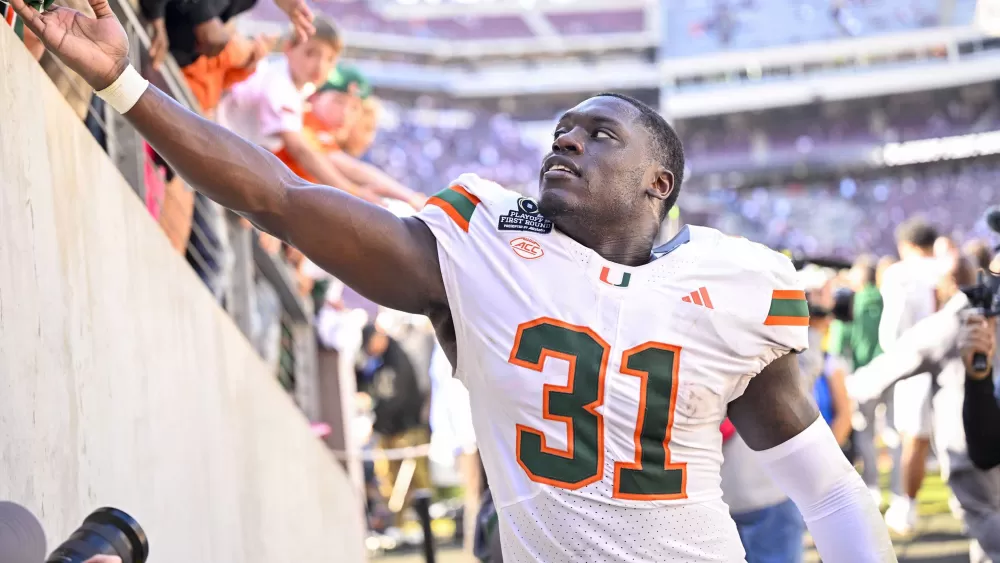
Seriously, Stop Sleeping On Miami's Linebacker Room – It's the Most Underrated Unit Heading Into the CFP
In a college football landscape obsessed with flashy offenses and star quarterbacks, Miami's linebacker corps consistently gets overlooked. Yet, their formidable presence, collective talent, and undeniable impact on the defensive side of the ball make them arguably the most underrated position group poised for a deep College Football Playoff run.
Okay, let’s be brutally honest for a minute here. In the whirlwind of college football hype, with all the glitz and glamour surrounding Heisman contenders and high-flying offenses, it’s easy to get caught up in the flash. We all love a good highlight reel, don’t we? But sometimes, just sometimes, the real engines of a championship-caliber team get completely overlooked, to their detriment and our collective blind spot. And right now, if you ask me, that’s precisely what’s happening with the University of Miami’s linebacker room.
Think about it. We're talking about a unit that, frankly, doesn't always grab the headlines in the way a standout wide receiver or a record-breaking quarterback might. Yet, when you actually sit down and watch them, truly observe their play, you quickly realize they are the absolute heartbeat of that defense. They’re the unheralded workhorses, the guys who consistently make game-changing plays that don't always show up on the highlight reels but are absolutely critical to success. This isn't just about raw talent, though they certainly have plenty of that. It’s about a collective intelligence, a relentless motor, and an uncanny ability to be in the right place at the right time.
What makes them so special, you might wonder? Well, for starters, there's a fantastic blend of experience and youthful exuberance. You see veterans who understand the nuances of the game, who can read offenses like an open book, and who provide that crucial leadership on the field. They're the calming presence, making sure everyone is aligned and ready. Then you have these explosive, younger players bursting onto the scene, bringing an infectious energy and athleticism that simply jumps off the screen. Together, they create a formidable wall against the run, suffocating opposing ground games with an almost arrogant ease. And let’s not forget their surprising ability to drop back into coverage or blitz the quarterback, creating chaos and forcing turnovers.
It’s truly fascinating, and a little frustrating, how consistently they fly under the radar. Perhaps it’s because Miami football, as a program, has had its ups and downs in recent years, leading some to overlook current strengths. Or maybe it’s just the nature of the linebacker position itself – less glamorous than a pick-six, perhaps, but infinitely more consistent in its impact. But make no mistake, as the College Football Playoff picture starts to crystalize, the teams that truly contend are built from the inside out. They need dominant trench play, yes, but they also absolutely require a group of linebackers who can set the tone, control the middle, and be the ultimate defensive problem-solvers.
So, here’s my plea to you, the discerning college football fan: start paying closer attention. Because when Miami is making a pivotal third-down stop, when they’re stifling a critical drive, or when they’re forcing an opponent into an uncomfortable situation, chances are it’s this incredibly underrated linebacker room that’s at the very core of it. They might not be the loudest group, but their performance speaks volumes. And frankly, they might just be the quiet difference-makers that propel Miami further than many currently expect in the CFP race. Trust me on this one; you’ll thank me later.
Editorial note: Nishadil may use AI assistance for news drafting and formatting. Readers can report issues from this page, and material corrections are reviewed under our editorial standards.