The Khopoli Murder: When Local Crime Ignites a Political Firestorm in Maharashtra
- Nishadil
- December 28, 2025
- 0 Comments
- 3 minutes read
- 79 Views
- Save
- Follow Topic

Raigad Murder Case Deepens: Opposition Slams CM Shinde as Political Tensions Flare Over Alleged MNS Link
A tragic murder in Khopoli, Raigad, has rapidly escalated into a heated political controversy, drawing criticism towards Chief Minister Eknath Shinde. The alleged involvement of a local MNS leader has fueled accusations of political influence and a potential cover-up, prompting urgent calls for justice and accountability.
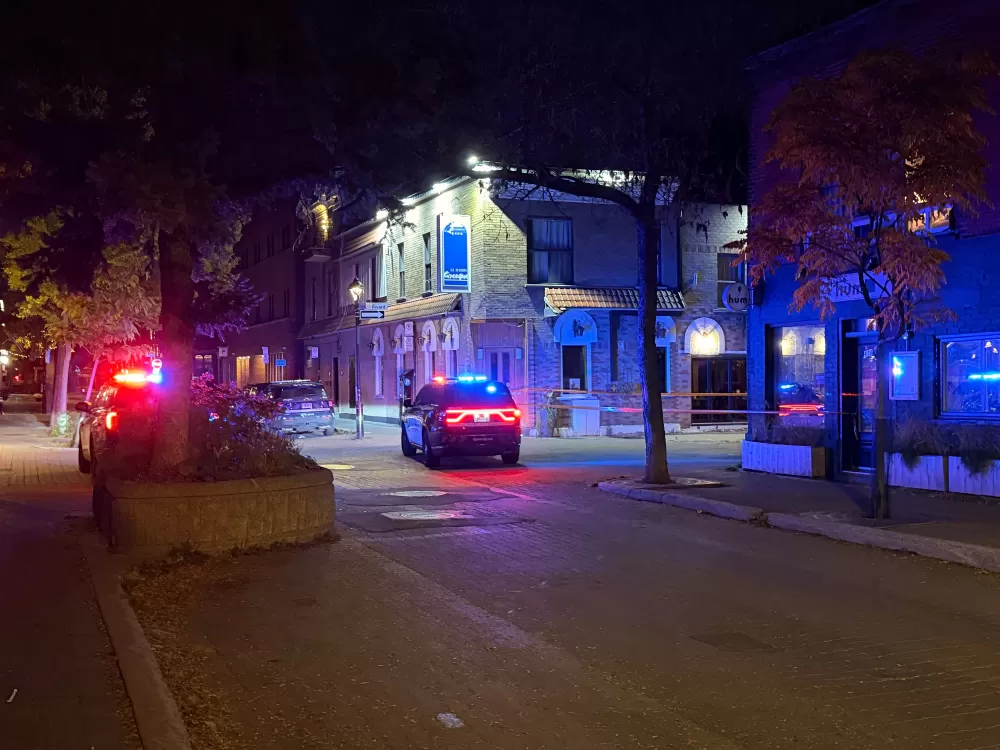
There's a palpable tension hanging heavy over Khopoli, nestled in Maharashtra's picturesque Raigad district, and it's all thanks to a truly heartbreaking incident. What began as a tragic murder has rapidly spiraled into a full-blown political maelstrom, leaving residents and observers alike grappling with questions about the state of law and order, and indeed, the very nature of justice when political connections seem to be at play.
The core of this unsettling drama revolves around the brutal killing of a young man, Rahul Waghmare. Imagine the profound shock, the raw grief that must have ripped through his family and community. But then, as initial details began to emerge, the story took a sharp, unsettling turn into the political arena. The alleged perpetrator, one Balu Khule, isn't just any local tough; he's reportedly a figure with discernible ties to the Maharashtra Navnirman Sena (MNS). And just like that, a terrible crime transforms into a hot-button political issue, catching the attention of leaders far beyond Khopoli's immediate borders.
You can bet the opposition wasn't going to let this one slide. Supriya Sule, a prominent and vocal leader from the Nationalist Congress Party (Sharadchandra Pawar faction), was quick to voice her outrage. And frankly, who could blame her? She's been rather assertive, pointing an accusatory finger directly at Chief Minister Eknath Shinde. Her question is clear and resonant: why, she asks, is there this unsettling silence from the top? Why does it feel like there's an attempt to downplay or even cover up the situation, especially when a politically connected individual is involved? It certainly makes one pause and think, doesn't it?
Sule didn't just speak from afar, mind you. She made a deliberate point of visiting Waghmare's grieving family, offering her heartfelt condolences and, I imagine, a much-needed sense of solidarity. It was a powerful, human gesture that truly emphasized the profound, personal loss suffered by the family and helped steer the political rhetoric back to the very real human cost of this tragedy. Such visits often serve to amplify the public's perception of accountability, or frankly, the perceived lack thereof, from the ruling establishment.
Now, while the immediate cause of the murder is believed to be a dispute over land – a sadly common enough flashpoint in many communities – it's the ensuing political fallout that has truly captivated the public's attention. The local police, to their credit, have indeed acted. An FIR has been registered against Khule and his alleged accomplices, and arrests have been made. Yet, despite these official steps, the lingering shadow of political interference persists, fueling suspicions and adding a complex, troubling layer to an already tragic event. It leaves you pondering whether justice will truly be blind, or if the scales will be subtly tipped by external pressures.
Ultimately, this Khopoli incident isn't merely a local crime story. It has quickly evolved into a stark reflection of the ongoing political tussle in Maharashtra, shining a harsh spotlight on fundamental questions of governance, accountability, and the ever-present challenge of ensuring that the rule of law applies equally to everyone, regardless of their connections. The clamor for genuine answers and decisive action is only growing louder, and one can only hope that justice, in its purest form, will indeed prevail.
Editorial note: Nishadil may use AI assistance for news drafting and formatting. Readers can report issues from this page, and material corrections are reviewed under our editorial standards.