
The Delhi-Dehradun Expressway: A New Era of Travel and Conservation
- Nishadil
- April 15, 2026
- 0 Comments
- 3 minutes read
- 32 Views
- Save
- Follow Topic
Game Changer: Delhi-Dehradun Expressway Nears Completion with Automated Tolls and India's First Elevated Wildlife Corridor
Get ready for a truly transformative journey! The upcoming Delhi-Dehradun Expressway isn't just cutting travel time drastically; it's introducing India's first elevated wildlife corridor, fully automated tolling, and even a generous 30 km free stretch from Akshardham.
Imagine cutting your travel time from Delhi to Dehradun from a leisurely six or seven hours down to a brisk two and a half! It sounds almost too good to be true, doesn't it? But that's exactly the promise of the groundbreaking Delhi-Dehradun Expressway, a project that's not just about speed, but also about smart design and environmental consciousness. With its anticipated completion early next year, likely February 2025, this 210-kilometer marvel is truly set to revolutionize how we connect these two significant cities.
This isn't just another road; it's a testament to modern engineering and a whopping investment of around Rs 13,000 crore. Spanning 170 kilometers within Uttar Pradesh and another 40 in Uttarakhand, it's designed to make your journey smoother, faster, and much more predictable. Think less time stuck in traffic, and more time enjoying your destination, whether it's for business or a much-needed getaway to the hills.
Now, let's talk about some really cool features. Perhaps the most striking aspect is India's very first, and Asia's longest, elevated wildlife corridor. Stretching an impressive 12 kilometers, this ingenious structure ensures the safe passage of animals through the sensitive Rajaji Tiger Reserve. It's a fantastic example of how infrastructure development can coexist thoughtfully with environmental protection, minimizing disturbance to the natural habitat. And speaking of wildlife, a dedicated 340-meter tunnel near the Dat Kali temple will also help protect wildlife movement, showcasing a real commitment to ecological balance.
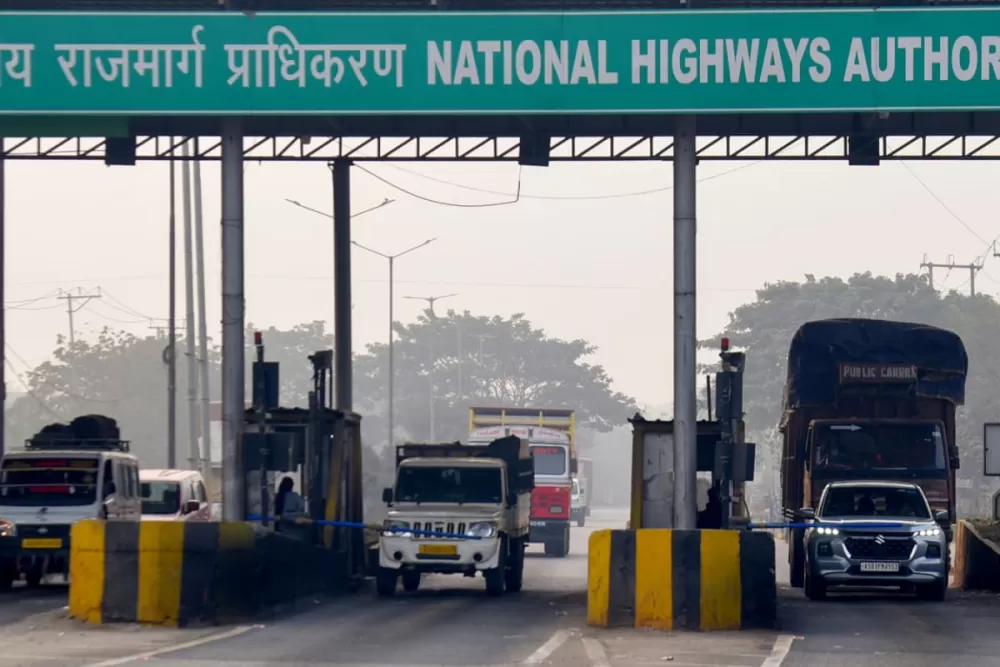
When it comes to the practicalities of travel, this expressway is leading the way. We're talking about a fully automated tolling system, which means less stopping, less waiting, and a far more efficient flow of traffic. But here's a detail many commuters will surely appreciate: the first 30 kilometers of the expressway, from Akshardham all the way to Baghpat, will be completely toll-free. It's a little bit of relief for those shorter hops and a thoughtful gesture for local connectivity, don't you think?
Safety and convenience have also been front and center in the design. The expressway boasts a minimum speed limit of 80 km/h for certain vehicle types and a general speed limit of 100 km/h, ensuring swift yet controlled travel. You'll find CCTV cameras dotted along the route for continuous monitoring and, reassuringly, emergency call boxes every 500 meters. These small details contribute significantly to a safer and more stress-free driving experience for everyone.
Ultimately, the Delhi-Dehradun Expressway is more than just concrete and asphalt. It's about enhancing connectivity, fostering economic growth, promoting tourism, and doing it all with an eye toward sustainability. It truly signals a new chapter in regional infrastructure, making the beautiful journey from the bustling capital to the serene hills of Dehradun an absolute breeze.
- India
- Business
- News
- BusinessNews
- EasternPeripheralExpressway
- RoadInfrastructure
- WildlifeCorridor
- DelhiDehradunExpressway
- TravelTimeReduction
- ExpresswayCompletion
- RajajiTigerReserve
- UttarakhandConnectivity
- DelhiDehradunTravelTime
- AccessControlledExpressway
- FastagTollCollection
- TollFreeCorridor
- AutomatedTollingSystem
- WildlifeCorridorIndia
- AutomatedTolling
- TollFreeStretch
- IndiaSLongestElevatedCorridor
Editorial note: Nishadil may use AI assistance for news drafting and formatting. Readers can report issues from this page, and material corrections are reviewed under our editorial standards.


