The 2026-2027 Flu Season: An Unsettlingly Early Start and What You Need to Know
- Nishadil
- November 14, 2026
- 0 Comments
- 4 minutes read
- 26 Views
- Save
- Follow Topic
Flu Season Kicks Off Early, Intensifying Across the U.S. – What's Driving It?
The 2026-2027 flu season is making an unusually early and aggressive appearance across the United States, prompting health officials to urge immediate action.
Well, here we are again, facing down another flu season, but this one feels a little different, a bit more urgent, perhaps. The 2026-2027 influenza season is truly off to an uncharacteristically early and rather vigorous start across the United States. It's not just a subtle whisper of activity; we're seeing a significant rise in cases much earlier than usual, and it's quickly gaining momentum, which frankly, is a little unsettling.
Just recently, around mid-November, the Centers for Disease Control and Prevention (CDC) reported that a surprising seven states were already experiencing high flu activity. That's a jump from only two the week before, showing just how fast things are progressing. Doctors' offices are certainly noticing, with over 3% of patient visits attributed to flu-like symptoms. We even saw flu hospitalization rates reach their highest point in over 15 years for that early in autumn back in mid-October. Can you believe it? The numbers truly tell a story: by the week ending October 17th, nearly 5,000 lab-confirmed flu hospitalizations had already occurred nationwide. And a couple of weeks later, by Halloween, a concerning 9.1% of tested specimens were positive for influenza.
This surge, interestingly enough, really began taking hold in the Southern and Western parts of the country. Places like California, Louisiana, Oregon, South Carolina, Tennessee, Texas, and Washington are all currently grappling with high activity levels. Louisiana, in particular, seems to be bearing the brunt of it so far, often an unfortunate bellwether for flu trends, perhaps due to factors like varying vaccination rates and healthcare access challenges. Up north, even New York has declared flu prevalent, with almost 11,000 cases already on record. It’s a widespread issue, for sure.
So, what’s the culprit this time around? Experts are pointing to Influenza A (H1N1), specifically the A(H1N1)pdm09 strain, as the dominant force in these early outbreaks. This is actually a bit different from last winter, when H3N2 was the more prevalent strain. Dr. Fred Lopez from LSU Health Sciences Center in New Orleans noted this shift, highlighting the importance of understanding which strains are circulating. Now, researchers, like Dr. Anna Durbin of Johns Hopkins University, are diligently studying potential new mutations within this H1N1 virus. There’s a natural concern, you see, that these changes could potentially lessen the flu shot's effectiveness, though it's crucial to remember that it will still provide a significant degree of protection against severe illness and hospitalization.
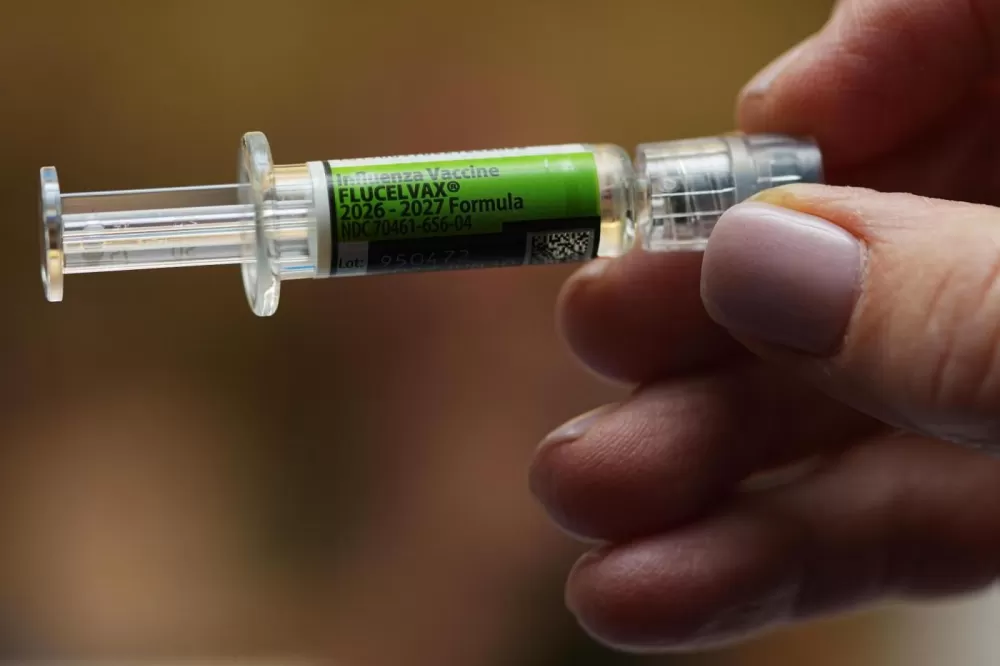
Speaking of vaccines, it’s good news that the 2026-2027 flu shots are formulated to protect against H1N1, H3N2, and influenza B strains. Plus, for those over 50, there's an exciting development: a new mRNA flu shot, similar to the COVID vaccines, has received FDA approval and is available this season. Protection from a flu shot typically lasts about six months, which means timing your vaccination is pretty important if you want to be covered for the entire flu season. Doctors like Keith W. Roach, M.D., an internal medicine doctor at NewYork-Presbyterian, are strongly advocating for everyone to get vaccinated as soon as possible.
The CDC's latest estimates are quite stark, unfortunately, painting a clear picture of the season’s early impact: at least 2.6 million illnesses, 36,000 hospitalizations, and 2,100 deaths have already been tied to flu infections nationwide. Heartbreakingly, three flu-associated pediatric deaths have also been reported. While an early start doesn't automatically mean this season will be more severe overall – we don't have a crystal ball, after all – it certainly signals the need for increased vigilance and preventative measures. The good news is we have tools at our disposal. Getting your flu shot is paramount, and continuing those good hygiene habits we've all become so familiar with, like frequent handwashing, will go a long way in protecting ourselves and our communities.
Editorial note: Nishadil may use AI assistance for news drafting and formatting. Readers can report issues from this page, and material corrections are reviewed under our editorial standards.