Tesla Shares Slip After After‑Hours Rally as Capex Guidance Trimmed to $20 Billion
- Nishadil
- October 22, 2026
- 0 Comments
- 4 minutes read
- 8 Views
- Save
- Follow Topic
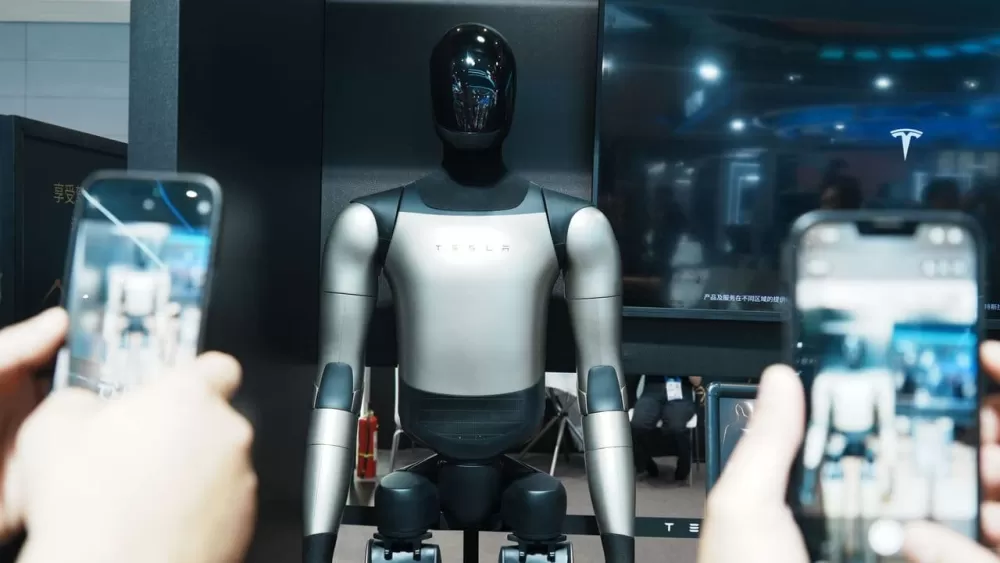
Tesla cuts 2026 capex, pushes Optimus robot timeline back
Tesla reported Q3 results, trimmed its full‑year capital‑expenditure target to about $20 bn and said the Optimus humanoid robot won’t hit full‑scale production until at least next year.
When Tesla’s earnings deck hit the wires on Wednesday, the stock did a little dance – up about 2 % in the after‑hours market, only to tumble back and sit roughly 4 % lower by the time the article was written. It felt a bit like a roller‑coaster that never quite left the station.
The numbers themselves were a mixed bag. Revenue landed at $28.0 bn, a hair shy of the $28.3 bn analysts were expecting, while adjusted earnings came in at $0.48 a share, nudging past the $0.45 consensus. Still, both the top line and earnings were down compared with the same quarter a year ago, which didn’t help the mood.
Chief Financial Officer Vaibhav Taneja used the earnings call to announce a significant downgrade to the company’s capital‑spending outlook. Tesla now sees full‑year capex at roughly $20 bn, down from the $25 bn+ range it had been guiding to. He framed it as “managing our capital deployment efficiently,” a phrase that sounds like corporate speak but, in practice, means the automaker is pulling back on some of the big‑ticket projects it had penciled in.
Even with the cut, Tesla has a $30 bn borrowing capacity on standby. Taneja was quick to add that the company doesn’t intend to tap those facilities this calendar year. Earlier, Elon Musk had painted 2026 as a “massive capex year,” yet he’s now trying to reassure investors that the spend will still generate “the best capex returns we’ve ever seen.” Meanwhile, the balance sheet looks sturdy – free cash flow topped $1.5 bn in Q3 and cash plus investments sit above $45 bn.
On the robot front, Musk gave a reality‑check about Optimus, Tesla’s humanoid robot. Production has started on a high‑volume line in Fremont, but the CEO warned that the ramp‑up will be slow. “Probably at least a year, maybe a little longer,” he said, before the factory can crank out 20,000 units a week. He expects the big kinks to be ironed out “around the end of next year,” which means customers won’t see Optimus rolling out in large numbers until then.
There were a few bright spots, though. Full‑Self‑Driving (FSD) software is already approved in several European nations, and Musk said the team is now targeting EU‑wide clearance within a few months – earlier than the October target they’d floated. In the U.S., the robotaxi experiment is gaining speed. The Cybercab, a steering‑wheel‑less Model Y, started hauling passengers in Austin, and the company plans to bring the service to Dallas next. Tesla’s AI chief, Ashok Elluswamy, hinted that by Q2‑27 the fleet could start running fully unsupervised, and the per‑mile cost could dip to just $0.30 as volume rises.
Market sentiment reflected the jittery mix of news. On Stocktwits, the chatter around TSLA shifted from bullish to neutral in the last 24 hours, even as the volume of messages stayed high. Year‑to‑date, the stock is down about 14 % – a reminder that investors are still weighing the long‑term bets against short‑term headwinds.
All told, Tesla’s latest earnings package showed a company that’s still pulling revenue growth out of a crowded EV market, while tempering its grand‑scale spending plans and admitting that the Optimus dream will take longer than hoped. Whether the cash cushion and the gradual roll‑out of autonomous services can keep the momentum going remains the big question for the coming months.
Editorial note: Nishadil may use AI assistance for news drafting and formatting. Readers can report issues from this page, and material corrections are reviewed under our editorial standards.