Seven Oil Tankers Struck in the Strait of Hormuz – Tensions Flare as War Fears Resurface
- Nishadil
- October 23, 2026
- 0 Comments
- 2 minutes read
- 7 Views
- Save
- Follow Topic
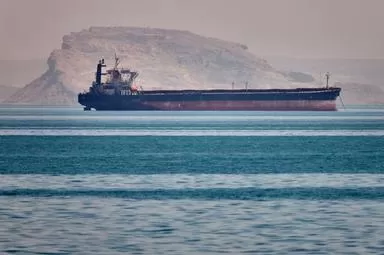
Iran says seven oil tankers were hit overnight in the Strait of Hormuz, sparking fresh worries of a broader conflict
Iranian officials claim seven oil tankers were damaged or set ablaze in the strategic Strait of Hormuz, raising alarms about escalating hostilities involving Iran, Israel and the United States ahead of key elections.
In the pre‑dawn hours of Thursday, Iran’s state television announced that seven oil tankers had either been damaged or caught fire while transiting the narrow Strait of Hormuz. According to the Islamic Revolutionary Guard Corps (IRGC) navy, the vessels were hit by Iranian forces or struck naval mines – the exact cause was not spelled out.
The report, relayed by the Associated Press, could not be independently verified, and there were no immediate details about casualties or the precise condition of the ships. Still, the sheer number of vessels reported in a single night is unusual, and it comes at a time when the region’s security balance feels especially fragile.
Both Israel and the United States are gearing up for elections – Israel’s vote is set for October 27, with Prime Minister Benjamin Netanyahu’s political future hanging in the balance, while the United States heads toward its mid‑term polls next month. Analysts, such as Danny Citrinowicz of Israel’s Institute for National Security Studies, warn that a decisive win for Netanyahu could make another Israeli strike on Iran almost inevitable.
Iran, for its part, has once again warned that American bases in the Middle East could become targets if the U.S. continues to support commercial traffic through the strait. Tehran’s claim of striking the tankers appears to be a reminder that it still views control over this narrow waterway as a powerful bargaining chip.
The Strait of Hormuz remains one of the world’s most critical chokepoints for oil, moving roughly a fifth of global petroleum supplies each day. Disruptions here ripple through energy markets, inflating oil prices and prompting shipping companies to reroute vessels at considerable expense.
Data from the United Kingdom Maritime Trade Operations (UKMTO) shows that October has already recorded the highest number of reported attacks on merchant ships since the conflict erupted in March. Yet, UKMTO said it had not yet logged the latest seven‑tanker incident, hinting that some operators may be hesitant to report every encounter.
Even with the heightened risk, oil‑producing nations have managed to keep crude flowing, largely by using alternative routes or extra security measures – but those work‑arounds are costing more than ever.
While Iran says it remains open to diplomatic dialogue, it also insists on its right to defend itself against any perceived threat. The lingering question is whether these latest claims will spark a wider kinetic escalation or remain a tense footnote in a region accustomed to brinkmanship.
Editorial note: Nishadil may use AI assistance for news drafting and formatting. Readers can report issues from this page, and material corrections are reviewed under our editorial standards.