Pollution, Fresh‑water Competition and Climate Stress Put India's Inland Fisheries in Jeopardy
- Nishadil
- October 23, 2026
- 0 Comments
- 3 minutes read
- 7 Views
- Save
- Follow Topic
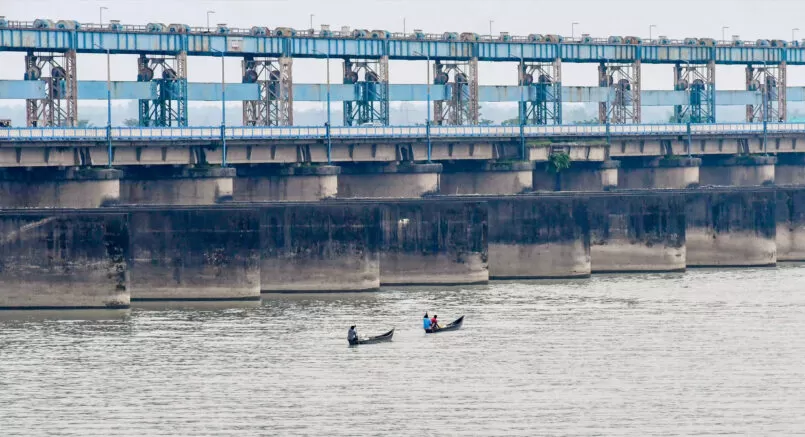
Rising Pollution and Growing Water Demands Threaten India's Inland Fishing Communities
A new BOBP‑IGO and FAO report warns that pollution, habitat loss and fierce competition for fresh water are endangering inland fisheries and the livelihoods that depend on them.
At a packed workshop in Bhopal on Thursday, officials, researchers and representatives of fishing communities heard a stark message: India’s inland fisheries are under siege. The warning came from a joint report by the Bay of Bengal Programme Inter‑Governmental Organisation (BOBP‑IGO) and the United Nations Food and Agriculture Organization (FAO).
What’s driving the pressure? A tangled mix of pollution, damaged aquatic habitats and a soaring appetite for fresh water—mostly for irrigation and urban needs. Rivers that once ran freely are now fragmented by dams, while reservoirs are shrinking under the strain of droughts and erratic monsoons.
These changes aren’t just abstract numbers; they translate into fewer fish, smaller catches and a harsher reality for the men, women and children who depend on the water for daily bread. The report flags broken river connectivity, flash floods, prolonged droughts and falling reservoir levels as the main culprits that threaten fish populations.
“When you pull the rug out from under a river’s natural flow, you’re also pulling the rug out from under the fish that live there,” said Dr P. Krishnan, director of BOBP‑IGO, during the session. He added that the issue gains extra urgency as India pushes for greater climate‑resilient water management.
Beyond the ecological factors, the study points to bureaucratic roadblocks. Overlapping responsibilities among fisheries, irrigation, forest, revenue and local authorities create a confusing maze that hampers effective action. Even the way fishing rights are allocated—through leases and access permits—often favours larger operators and leaves small‑scale fishers on the margins.
Data gaps make the problem harder to solve. While the country reports about 23.12 million inland fishers, women make up roughly 44 percent of that figure—around 10.1 million—yet their contributions in processing, marketing and unpaid family work remain poorly documented. Sub‑subsistence fishing and informal market sales are similarly under‑recorded, limiting the visibility of those who need support the most.
“Better information on who is fishing, what they catch and where they fish would let us design policies that actually work,” Krishnan urged.
The two‑day workshop, co‑hosted by the Union Department of Fisheries, BOBP‑IGO and the Madhya Pradesh government, also marked the launch of India’s National Plan of Action for Sustainable Inland Small‑Scale Fisheries. The plan aims to weave fisheries considerations into broader water‑resource planning, protect fragile habitats and improve the socio‑economic standing of fishing families, all in line with FAO guidelines.
In short, the message was clear: if India wants to safeguard its inland fish stocks—and the millions of people who rely on them—it must treat water as a shared resource, curb pollution, and close the data gaps that keep small‑scale fishers invisible.
Editorial note: Nishadil may use AI assistance for news drafting and formatting. Readers can report issues from this page, and material corrections are reviewed under our editorial standards.