
mRNA Cancer Vaccines: A Glimmer of Hope in the Fight Against Cancer
- Nishadil
- October 06, 2026
- 0 Comments
- 5 minutes read
- 16 Views
- Save
- Follow Topic
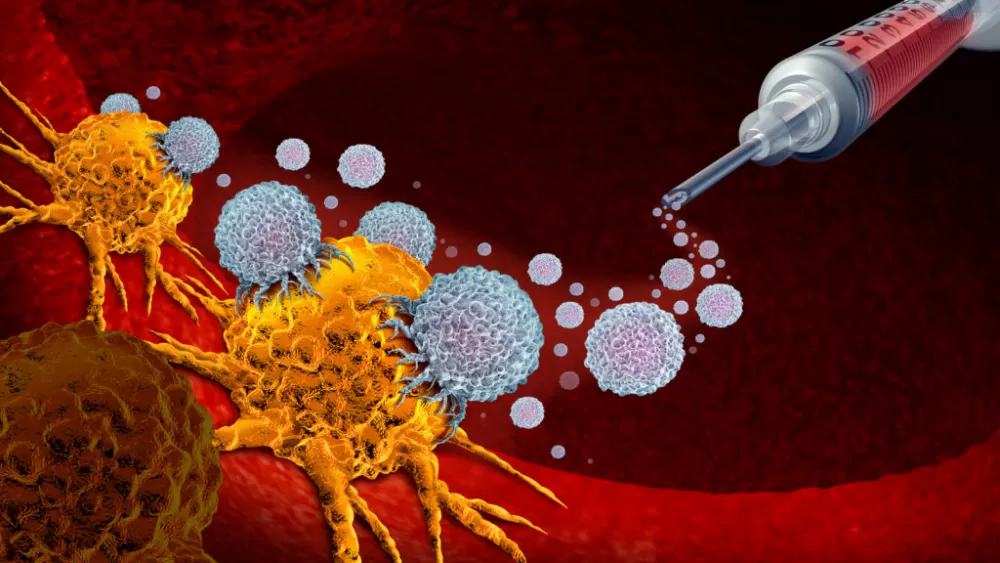
The Dawn of a New Era? How mRNA Cancer Vaccines Are Shaking Up Clinical Trials
Imagine a future where our own immune systems are trained to seek out and destroy cancer cells. Well, that future might be closer than we think, thanks to the remarkable advancements in mRNA cancer vaccines now moving through clinical trials.
It’s truly a thrilling time in oncology, wouldn't you agree? For years, the dream of training our own bodies to fight cancer felt like something out of a science fiction novel. But here we are, in late 2026, witnessing an explosion of progress in mRNA cancer vaccines. These aren't just theoretical musings anymore; they're very real, incredibly promising treatments making their way through numerous clinical trials, particularly for those battling advanced tumors.
Just two years ago, back in October 2024, we were looking at around 51 ongoing trials for mRNA cancer vaccines, with a significant chunk – nearly half, actually – already deep into Phase II and III development. That’s a powerful testament to the momentum building in this field. Researchers, you see, are really pushing the boundaries. They're developing vaccines designed to 'teach' our immune systems to recognize the subtle, tell-tale changes associated with cancer, with the ultimate goal of potentially stopping it before it even takes hold. But for now, much of the immediate focus is on helping the immune system identify and target existing cancer, with personalized vaccines tailored to a patient's unique tumor rubbing shoulders with 'off-the-shelf' options that target shared cancer markers.
Let's talk about some truly exciting developments. Remember that buzz around Moderna and Merck's collaboration? Well, their personalized mRNA vaccine, when combined with an immunotherapy called pembrolizumab (you might know it as Keytruda), delivered some genuinely encouraging news. A Phase 3 trial, with results shared just this October, showed a significant reduction in melanoma recurrence and spread. That's huge! And it builds on earlier findings from a randomized Phase IIb trial where this same personalized mRNA neoantigen vaccine, mRNA-4157, again paired with pembrolizumab for high-risk stage III melanoma patients, slashed the risk of recurrence or death by a remarkable 49% over three years compared to immunotherapy alone. Nearly half! Think of the impact that could have.
But it's not just melanoma. There's a whisper of hope echoing for pancreatic cancer too – a notoriously tough one to treat. An investigational vaccine, in a Phase 1 trial, actually saw 7 out of 8 immune responders still alive a remarkable four to six years post-surgery. That’s an 87.5% survival rate in a disease often associated with a grim prognosis. Frankly, that’s just incredible. Then we have BioNTech with their BNT116, an investigational mRNA vaccine targeting six tumor-associated antigens in non-small cell lung cancer (NSCLC). This trial is actively enrolling, with specific cohorts, like the RET cohort, open at places like Johns Hopkins and MD Anderson Cancer Center. It’s dynamic too; just recently, Johns Hopkins dropped the requirement for measurable disease for enrollment, which could open doors for more patients.
Beyond individual trials, the bigger picture is also evolving. A fascinating study published in Nature Biomedical Engineering this past year revealed that an experimental universal mRNA vaccine, in mouse models, amplified the effectiveness of immune-checkpoint inhibitors. It basically supercharged an antiviral-like immune response, making tumors far more susceptible to immunotherapy. This kind of synergy is precisely what we need.
And speaking of progress, let’s shine a light on Everest Medicines. This Shanghai-based company is really making strides. They've been busy bringing top talent on board, including experts from Moderna, signaling their serious commitment to the field. Their personalized mRNA therapeutic cancer vaccine, EVM16, has already delivered its initial human clinical data, showcasing favorable safety, good tolerability, robust immune responses, and some very promising early efficacy. We even saw some of this data presented at the 2026 AACR Annual Meeting. What's next for EVM16? Well, a Phase 1b investigator-initiated trial is slated for later this year, with plans to expand into new indications. And looking ahead to the first half of 2027, they’re aiming to submit an Investigational New Drug (IND) application for EVM16 to the U.S. FDA – a major step!
Not to be outdone, Everest also has EVM14, an 'off-the-shelf' tumor-associated antigen (TAA) mRNA cancer vaccine, which actually got the green light for its IND from both the U.S. FDA and China's NMPA back in 2025. Its Phase 1 monotherapy dose-escalation study is expected to wrap up in the first quarter of next year. So, as you can see, there’s a multi-pronged attack unfolding.
Of course, this is still a dynamic, evolving field. While the excitement is palpable, researchers continue to carefully assess both the effectiveness and safety of these mRNA vaccine approaches across various cancer types. It’s also important to remember that many patients will likely require a combination of treatments, and careful patient selection remains absolutely crucial. But what’s undeniable is the profound sense of hope these advancements bring. We’re witnessing a genuine revolution in how we might one day prevent and treat cancer, and the future, though still requiring immense dedication and research, certainly looks brighter than ever.
- UnitedStatesOfAmerica
- Business
- News
- BusinessNews
- Pharma
- Cancer
- Stat
- Pharmaceuticals
- CancerTreatment
- DrugDevelopment
- Biotech
- Biotechnology
- ClinicalTrials
- Immunotherapy
- CancerResearch
- PersonalizedMedicine
- MedicalBreakthroughs
- NonSmallCellLungCancer
- Biontech
- Moderna
- Merck
- MelanomaVaccine
- PancreaticCancerVaccine
- MrnaCancerVaccines
- EverestMedicines
Editorial note: Nishadil may use AI assistance for news drafting and formatting. Readers can report issues from this page, and material corrections are reviewed under our editorial standards.










