
Maharashtra's Proactive Battle: A Double-Layered Approach to Eradicate Malnutrition
- Nishadil
- April 05, 2026
- 0 Comments
- 2 minutes read
- 33 Views
- Save
- Follow Topic
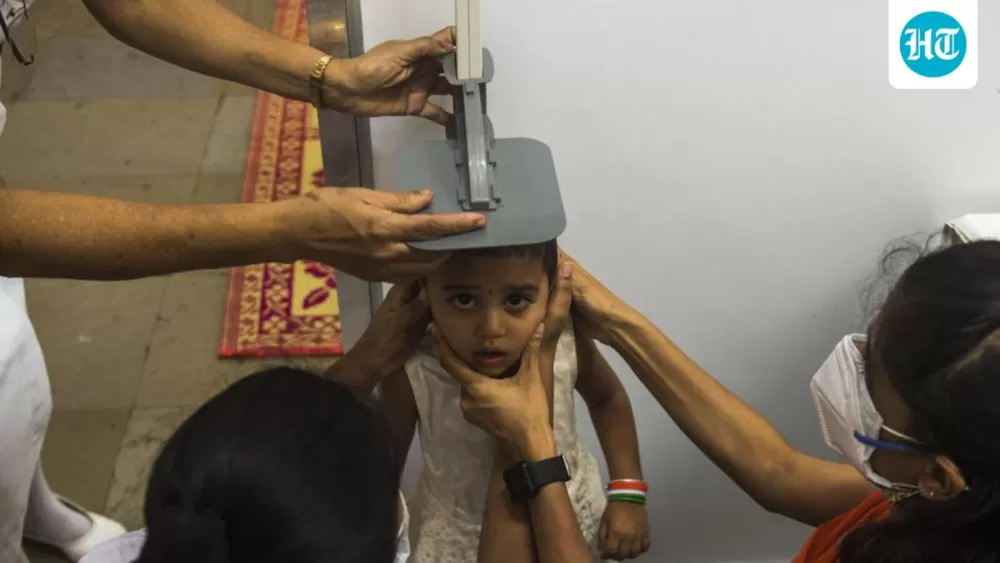
A Fresh Look: Maharashtra Introduces Innovative Double-Check System for Child Nutrition
Maharashtra is taking a significant step forward in its fight against malnutrition, particularly among young children. The state has launched a pioneering 'double-check' screening system designed to ensure every case of malnutrition is accurately identified and addressed. It's a proactive measure, bringing together the crucial work of Anganwadi frontline workers with the oversight of medical professionals.
Malnutrition, especially among our youngest and most vulnerable, remains a silent crisis in many parts of the world, and frankly, within our own borders. But in a commendable and deeply thoughtful move, the state of Maharashtra is stepping up its game. They've just rolled out an innovative 'double-check' screening system, specifically designed to tackle malnutrition head-on and ensure no child slips through the cracks.
This isn't just another program; it's a strategic enhancement to existing efforts. The core idea is brilliantly simple yet profoundly effective: a two-tier verification process. The first line of defense, as always, comprises our dedicated Anganwadi workers. These incredible individuals are often the first point of contact with families in rural and urban communities alike. Armed with essential tools like Shakira tapes for mid-upper arm circumference (MUAC) measurements and accurate weight machines, they conduct the initial screening, meticulously identifying children who might be suffering from severe acute malnutrition (SAM) or moderate acute malnutrition (MAM), along with pregnant women and lactating mothers at risk.
But here's where the 'double-check' truly makes a difference. After the Anganwadi workers complete their vital preliminary assessments, a second, crucial layer of verification kicks in. Medical officers or community health officers then revisit these identified cases. They re-verify the initial findings, ensuring the accuracy of the diagnosis. You see, this second check is absolutely paramount; it minimizes the chances of misclassification, which can, unfortunately, lead to either delayed intervention or unnecessary anxiety. It acts as a robust safety net, guaranteeing that resources are directed precisely where they're needed most.
The implications of such a system are significant. By ensuring precise identification, the state can streamline the provision of targeted nutritional interventions, supplementary feeding, and necessary medical care. This proactive and meticulous approach aligns beautifully with broader national initiatives like the Poshan Abhiyan (National Nutrition Mission), which aims to improve nutritional outcomes for children, pregnant women, and lactating mothers. It's about more than just identifying; it's about making sure that identification leads swiftly and surely to impactful support.
Ultimately, this 'double-check' system reflects a profound commitment to public health and, more specifically, to the well-being of Maharashtra's future generations. It’s a testament to the idea that by empowering frontline workers and backing them with professional medical oversight, we can create a more resilient, healthier community. It’s a vital step in transforming the challenge of malnutrition into a story of recovery and thriving.
Editorial note: Nishadil may use AI assistance for news drafting and formatting. Readers can report issues from this page, and material corrections are reviewed under our editorial standards.


