Madera County Tackles Childhood Lead Poisoning Ahead of National Awareness Week
- Nishadil
- October 22, 2026
- 0 Comments
- 2 minutes read
- 10 Views
- Save
- Follow Topic
Local Health Dept Boosts Lead Poisoning Prevention for Kids
As National Lead Poisoning Prevention Week approaches, Madera County’s health officials roll out testing, home visits, and education to shield young children from dangerous lead exposure.
With National Lead Poisoning Prevention Week just around the corner, the Madera County Department of Public Health is pulling out all the stops to keep kids safe. Lead poisoning—still one of California’s most common environmental illnesses—can slip right under the radar, especially for children under six whose brains are still forming.
"Even low‑level exposure can stunt growth, interfere with learning, and affect development," explains Kyler Thai, a public‑health nurse on the county’s Childhood Lead Poisoning Prevention Program. That’s why the program offers a hands‑on approach: case managers swing by homes, conduct environmental inspections, assess nutrition, and keep in touch through follow‑up calls.
But it’s not just about reacting to high blood‑lead readings. The team works side‑by‑side with the Environmental Health Department to hunt down the culprits—whether it’s aging paint, dusty soil, lead‑laden toys, cosmetics, jewelry, or even industrial batteries. “You can breathe it in, swallow it from contaminated dust, or pick it up on a child’s hands,” Thai notes.
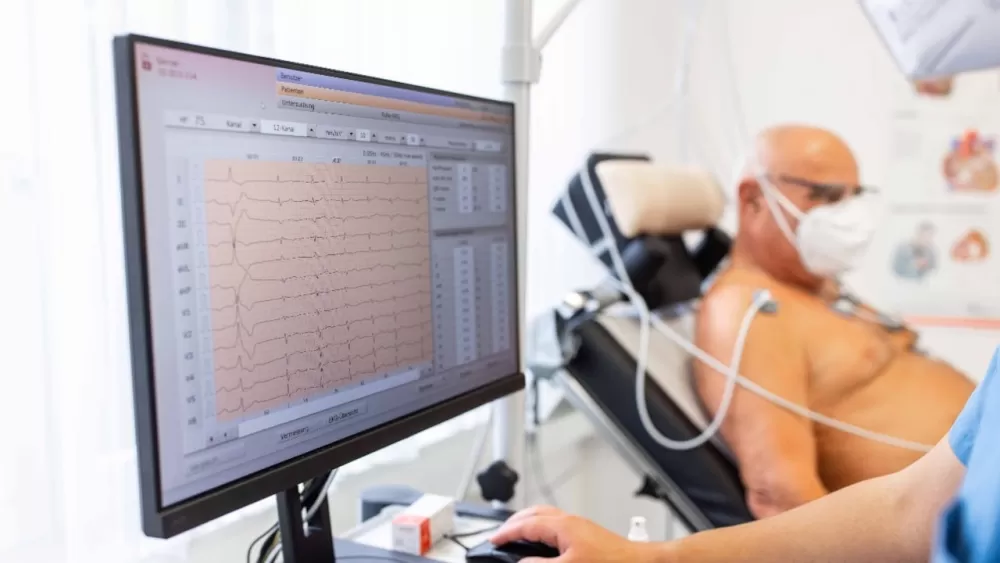
Testing remains the gold‑standard tool. Parents can have their children’s blood lead levels checked during routine well‑child visits, and the results guide the next steps. For kids with dangerously high levels, doctors may prescribe chelation therapy—always under strict medical supervision.
Prevention, though, starts at home. Simple habits like washing hands after play, encouraging grassy play areas instead of bare soil, and sealing or removing peeling paint can dramatically cut exposure risk. A nutritious diet also helps the body fend off lead absorption.
Families with concerns can reach the Public Health Department at (559) 675‑7893, while housing‑related questions go to the Environmental Health Department at (559) 675‑7823. For the latest updates, follow reporter Danyelle Burke North on Instagram and TikTok.
Editorial note: Nishadil may use AI assistance for news drafting and formatting. Readers can report issues from this page, and material corrections are reviewed under our editorial standards.