Kulasai Mutharamman Temple’s Distinctive Dasara Festivities – A Glimpse Into Tradition
- Nishadil
- October 21, 2026
- 0 Comments
- 3 minutes read
- 5 Views
- Save
- Follow Topic
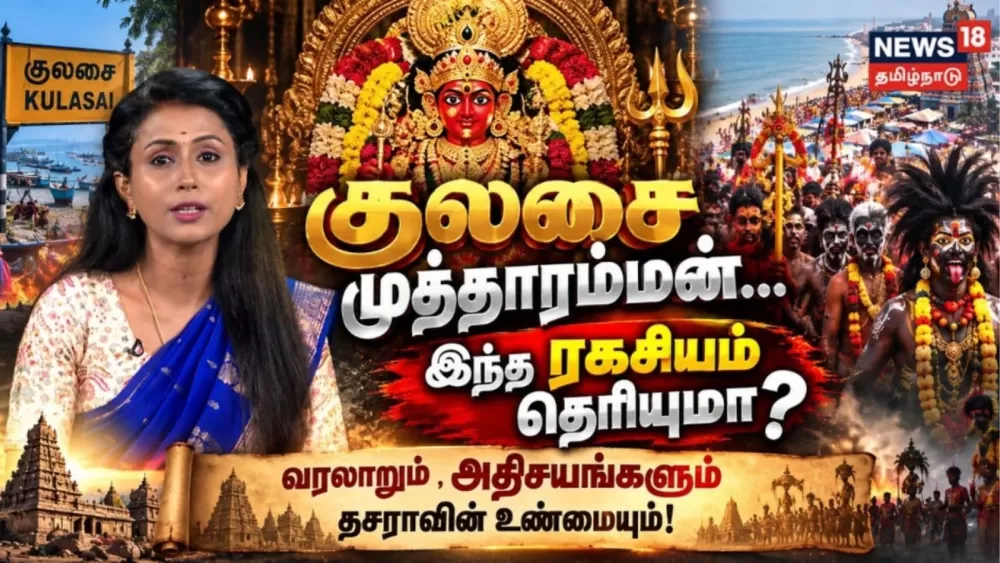
Discover the hidden rituals and vibrant celebrations at Kulasai Mutharamman Temple during Dasara
An insider’s look at the unique Dasara worship at Kulasai Mutharamman Temple in Nellai, unveiling secret rites, colourful processions, and the community spirit that fuels this age‑old festival.
Every year, as the monsoon clouds recede and the Tamil month of Aadi draws to a close, the little‑known Kulasai Mutharamman Temple in Bittapurathi, near Nellai, bursts into a riot of colour and devotion. It’s not just another Dasara celebration – here, ancient customs intertwine with a dash of mystery that even locals swear is a secret kept through generations.
The day begins before dawn, when the temple’s chief priest, Panchayat Madhavan Iyer, lights the oil lamp (kuthu vilakku) in the sanctum. The flame flickers, casting dancing shadows on the stone walls, and a low chant of “Om Namah Shivaya” fills the air. It’s a simple start, but the silence is soon broken by the beating of drums, the clatter of cymbals, and the melodic call of the nadaswaram.
What makes Kulasai’s Dasara stand out is the “Veerakannadi” ritual – a ceremonial procession where devotees carry ornamental knives (kannadi) and walk around the temple’s eight stone pillars, each representing a facet of the goddess’s power. According to folklore, the goddess Mutharamman once protected the village from a band of invaders by wielding a divine blade. The act of circling the pillars, therefore, is both a reenactment and a prayer for protection.
Mid‑day brings the “Muthu Alankaram” – a spectacular adornment of the deity with fresh jasmine garlands, ruby‑red kumkum, and silver ornaments crafted by local artisans. The scent of incense mingles with the aroma of freshly cooked pongal, drawing crowds from nearby hamlets who gather under the shade of banyan trees to share a communal feast.
As evening descends, the temple courtyard transforms into a stage for traditional dance performances. Young girls in bright sarees perform “Devarattam”, a folk dance said to echo the goddess’s joyous steps after a victorious battle. The crowd, a tapestry of elders, children, and curious tourists, claps in rhythm, their cheers sometimes drowning out the temple bells.
One of the most whispered‑about moments is the “Kanda Moolam” – a secret prayer recited in an ancient dialect only a handful of elders know. It is believed to invoke the goddess’s blessings for a bountiful harvest and safe voyages for fishermen heading out to sea. While outsiders catch a glimpse of the ceremony, the exact words remain locked in oral tradition.
When the final firecracker lights up the night sky, the whole village feels a collective sigh of relief and gratitude. For many, the Dasara at Kulasai Mutharamman is not just a festival; it’s a living link to a heritage that refuses to fade, a reminder that faith, culture, and community can coexist in harmony.
Editorial note: Nishadil may use AI assistance for news drafting and formatting. Readers can report issues from this page, and material corrections are reviewed under our editorial standards.