Keeping Madhubala Alive: Karachi’s Fight for Captive Elephants
- Nishadil
- October 23, 2026
- 0 Comments
- 5 minutes read
- 3 Views
- Save
- Follow Topic
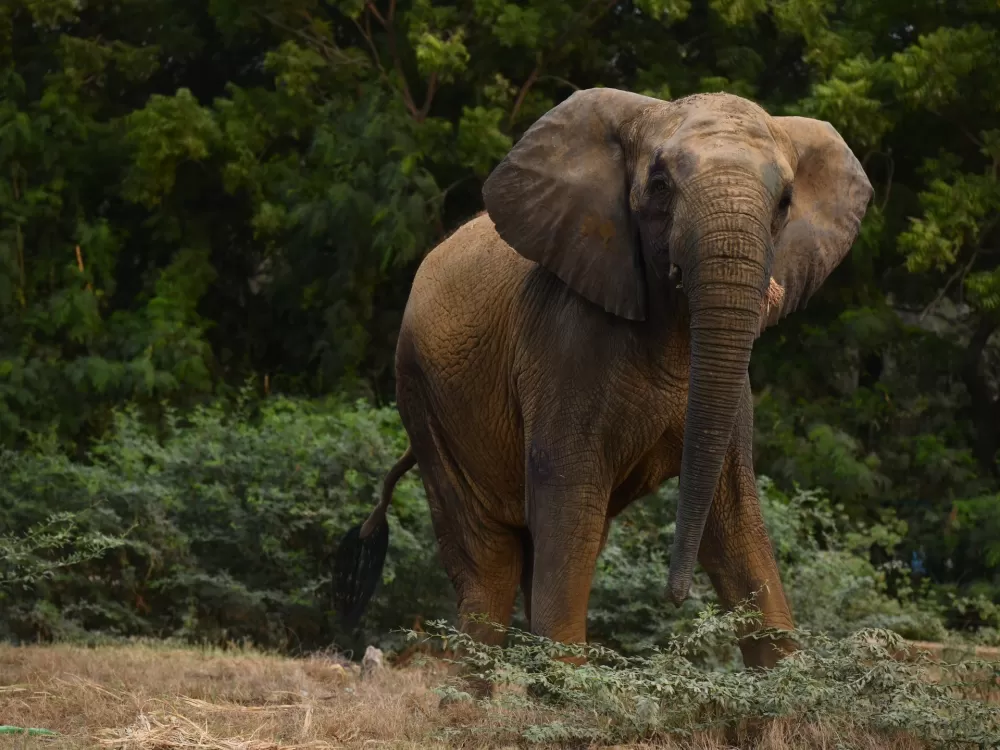
A fragile hope for the city’s last African elephant
After the death of Noor Jehan, volunteers and vets are racing to save Madhubala, the sole remaining African elephant in Karachi, spotlighting a larger battle for animal welfare in Pakistan.
Karachi’s bustling streets, the roar of traffic, and the endless sea of people – it’s a world that hardly seems fit for an African elephant. Yet two of them still live in the city’s zoos, the last remnants of a herd that was once taken far from the savannas of Tanzania.
The story began in 2009 when four calf elephants were smuggled into Pakistan. Two of them – Noor Jehan and Madhubala – were placed in the Karachi Zoo, while their sisters, Sonia and Malika, ended up at the nearby Safari Park. It sounded like a simple split, but the reality turned out to be far more complex.
Enter Jude Allen, a 45‑year‑old corporate professional who had been caring for animals on the side for years. When he met Noor Jehan, a 17‑year‑old African elephant plagued by sores and malnutrition, something clicked. He sang “You Are My Sunshine” to her, massaged her legs, and spent long, quiet evenings at the zoo’s fence, holding her massive trunk as if it were a fragile twig.
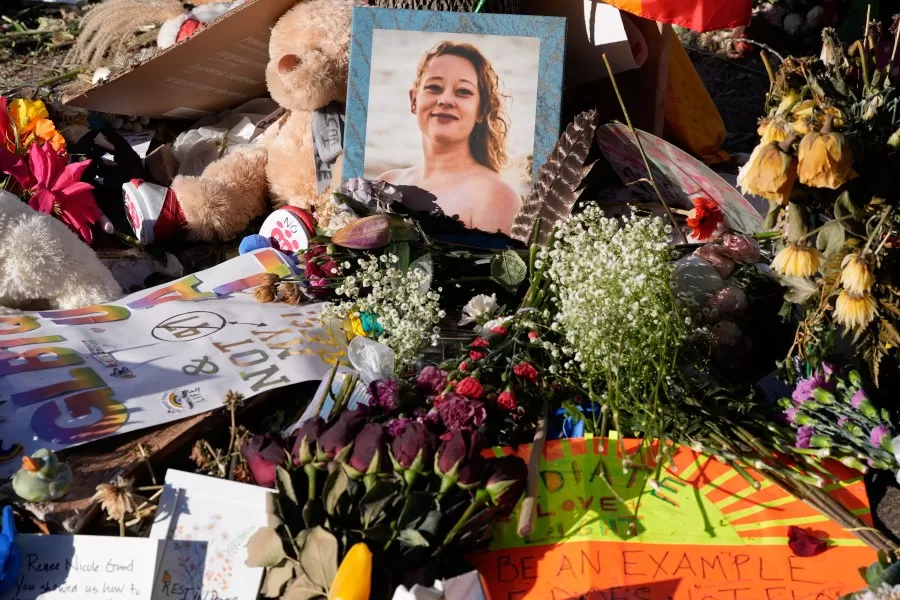
Sadly, Noor Jehan’s health kept deteriorating. Despite Allen’s daily visits and the best efforts of local vets, she passed away on April 22, 2023, surrounded by a small circle of activists. “The day she rested her forehead on mine, I finally understood why I was there,” Allen later recalled, his voice cracking a little.
Her death sparked something bigger – the “I Am Noor Jehan” movement. Volunteers, the Pakistan Animal Welfare Society (PAWS), and the international group Four Paws began to demand better care for all captive animals in Karachi, a city of 20 million that often forgets the four‑legged residents of its parks.
It was during that wave of outcry that Madhubala’s name resurfaced. Named after a legendary Indian film star, the 22‑year‑old elephant had become a solitary figure, often seen thumping her head against the metal bars of her enclosure. She needed a friend, a companion, something she had never truly received.
Four Paws stepped in, conducting health checks and recommending a reunion with her sisters at Safari Park. In November 2024, the three elephants finally met. Sonia was the first to approach, followed by Malika, and the three trunks intertwined in what looked like a tender family hug. It was a scene that lifted spirits across the city – until tragedy struck again.
Just weeks later, on December 8, Sonia collapsed and died of a severe bacterial infection that had festered for months. Four Paws linked her death to years of inadequate nutrition and cramped living conditions, a stark reminder that reunion alone isn’t enough without proper care.
Both Madhubala and Malika were diagnosed with tuberculosis, a disease that can be deadly for elephants. Thankfully, recent tests show Madhubala has cleared the infection, though she remains weak after shedding over 200 kg (440 lb). She now struggles to stand, often needing assistance to rise after lying down.
Veterinarian Dr. Amir Khalil, who has rescued animals from conflict zones, has taken charge of Madhubala’s recovery. He describes her as a “good patient” who follows the prescribed regimen – high‑pressure water massages for her legs, strict medication schedules, and constant wound care. “She’s recovered about 85 percent of her walking ability,” he says, “and she’s eager to stick to the plan.”
Getting Madhubala to Safari Park wasn’t a smooth ride either. The transport cage had to be built, the elephant coaxed, and countless delays threatened her fragile health. Yet with patience – and a few moments when Allen had to wrestle an angry, reluctant trunk – the move finally happened.
Today, Madhubala roams a larger enclosure, occasionally sharing space with Malika, who still tests positive for TB. Their daily routine includes enrichment activities, a more balanced diet, and, most importantly, the chance to be together. It’s a small victory, but one that hangs in a delicate balance.
The fight continues. Activists argue that the city’s infrastructure simply isn’t built for the needs of such majestic creatures. They call for better veterinary facilities, proper habitats, and an end to the practice of keeping elephants as mere attractions.
In the meantime, Allen still visits, sometimes humming the same tune he sang to Noor Jehan, sometimes just sitting in quiet observation. “I quit my corporate job without a plan B because of her,” he admits, a hint of a smile breaking through the exhaustion. “Now I’m doing whatever I can for Madhubala. It’s not just about one elephant – it’s about changing how we see wildlife in our cities.”
Editorial note: Nishadil may use AI assistance for news drafting and formatting. Readers can report issues from this page, and material corrections are reviewed under our editorial standards.