Health Insurance Costs Keep Climbing for American Workers, New Survey Shows
- Nishadil
- October 23, 2026
- 0 Comments
- 3 minutes read
- 13 Views
- Save
- Follow Topic
Workers at small firms feel the squeeze as premiums surge, a KFF survey reveals
A fresh KFF study finds that employees, especially those at small businesses, are paying hundreds of dollars more for employer‑provided health coverage in 2026.
When you glance at your pay stub this month, you might notice a line you wish would disappear: the health‑insurance deduction. According to the 2026 Employer Health Benefits Survey released by the non‑partisan research group KFF, that line has gotten noticeably longer for millions of American workers.
The survey, which canvassed roughly 1,900 employers with at least ten employees, shows that the average worker is now shelling out about $7,471 a year toward family‑coverage premiums. That’s a jump of roughly 9 % – or $621 more than last year. It may not sound like much in the abstract, but for a family budgeting on a modest wage, those extra dollars matter.
What’s striking is how the burden falls unevenly. Employees at small firms – those with anywhere from ten to ninety‑nine staff members – are paying the biggest share. In 2026 they contributed an average of $9,687 toward family coverage, compared with $6,840 for workers at companies with 200 or more employees. Put another way, small‑business workers are covering about 37 % of the premium, while their counterparts at larger firms shoulder just a quarter.
Even more eye‑opening, roughly one‑third of workers at small firms are enrolled in plans where they pay more than half of the family premium. By contrast, only about six percent of employees at big companies face that level of cost‑sharing.
These numbers echo a broader political conversation. An AP‑NORC poll taken this October found that seven‑in‑ten registered voters consider healthcare one of the most important issues in the upcoming midterms. The rising cost of employer‑sponsored insurance is now squarely in the public eye.
For small‑business owners, the math is a nightmare. Jenna Caligaris, who runs a 25‑person contracting firm in upstate New York, admits she loses sleep over health‑benefit costs. “We’re trying to stay competitive, so we’ll have to eat these price increases,” she said, noting that the company has already trimmed year‑end bonuses, scrapped the annual picnic, and even switched insurers to try to curb the surge. Yet despite those efforts, her firm still faces a 25 % premium hike this year.
Experts at KFF warn that small firms not only shoulder higher premium shares but also grapple with steeper deductibles and a more volatile insurance market. “Workers are paying a bigger chunk this year,” said Matthew Rae, associate director of KFF’s Program on the Health Care Marketplace. “That raises serious questions about affordability.”
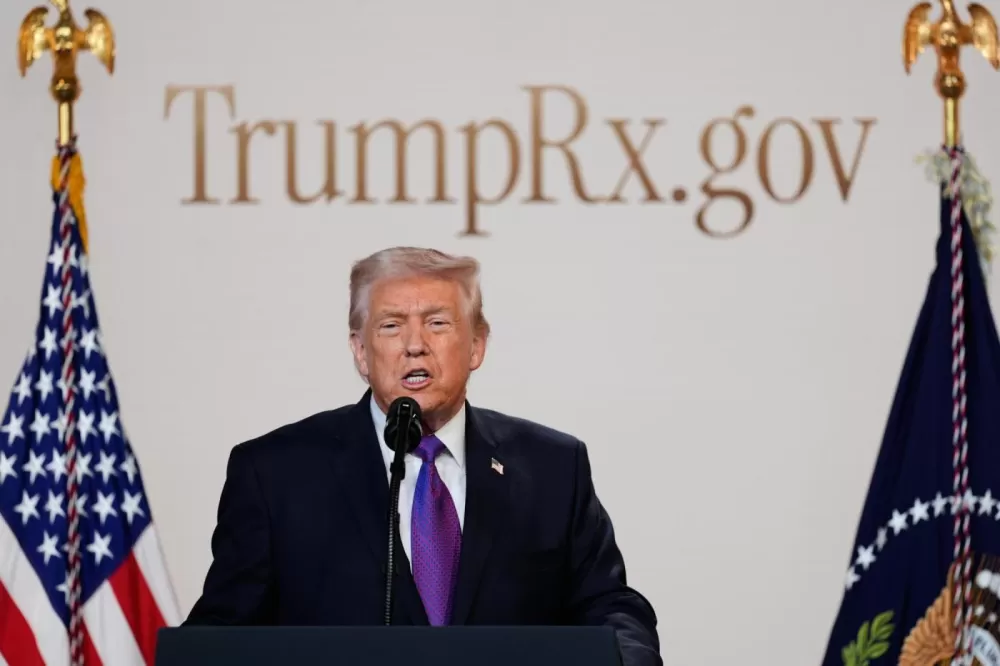
Meanwhile, the political backdrop adds another layer of complexity. President Donald Trump has pledged to lower drug prices and offer rebates, but critics say some of his administration’s policies have inadvertently nudged insurance costs higher for many.
All told, almost 157 million Americans under retirement age rely on employer‑sponsored coverage. If the trend of climbing premiums continues, the strain on both workers and the small businesses that employ them could become a defining economic story of the coming years.
Editorial note: Nishadil may use AI assistance for news drafting and formatting. Readers can report issues from this page, and material corrections are reviewed under our editorial standards.