Defense Secretary Hegseth Says Iran War Has Racked Up $37.5 B, Presses Congress for $67 B Emergency Funding
- Nishadil
- July 23, 2026
- 0 Comments
- 2 minutes read
- 27 Views
- Save
- Follow Topic

U.S. Pentagon requests massive supplemental money as the cost of the Iran conflict climbs sharply
Secretary of Defense Pete Hegseth told the Senate Appropriations Committee the Iran war has already cost $37.5 billion and urged lawmakers to approve a $67 billion supplemental package to keep operations afloat.
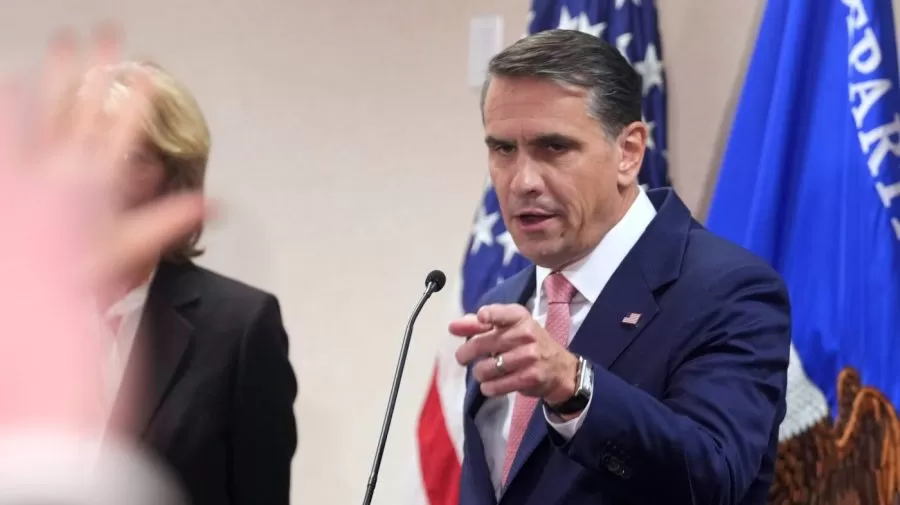
When Pete Hegseth stepped onto the Senate Appropriations Committee floor on July 22, 2026, he didn’t just read numbers off a spreadsheet. He tried, in his own words, to make the $37.5 billion price tag of the U.S.–Iran war feel a little more real for the senators watching.
That figure – roughly the GDP of a small European country – represents what the Department of Defense calls “payroll, operations and maintenance” costs booked through the end of fiscal year 2026. It does not, however, cover the massive rebuilding that will be required for bases and infrastructure once the fighting winds down, a detail Hegseth admitted could push the total well beyond the headline number.
To keep the current tempo – air‑strikes, naval patrols, and the surge of troops already on the ground – the secretary asked for a supplemental $67 billion. The request slots into a broader package that varies by source: Republicans have rolled it into a $95 billion draft, while the BBC reported an $87 billion total, with $67 billion earmarked for the Middle‑East operations.
“We’re staring at a funding gap that, if left unfilled, could force us to scale back missions that are already saving lives,” Hegseth told the committee, pausing before noting that the $37.5 billion estimate is already $8‑$9 billion higher than the $29 billion figure floated in May.
Senators on both sides of the aisle pressed him. Democrat Gary Peters (MI) asked whether the Pentagon had “a clear line‑item breakdown” for the supplemental request. Hegseth replied that the details were still being refined, but that the bulk would go to fuel, ammunition, and the upkeep of the forward operating bases. Republican Sen. Susan Collins (ME) raised concerns about the longer‑term fiscal hit, noting that internal Pentagon officials have floated a total cost ranging from $80 billion to $100 billion when everything – including reconstruction – is finally tallied.
Beyond the numbers, the human cost of the conflict has been stark. Official tallies listed 17 American service members killed, while protests erupted outside the Capitol, with families of the fallen demanding a quicker end to the fighting.
For now, the battle is as much about dollars as it is about missiles. As Hegseth wrapped up his testimony, he reminded the panel that “the mission isn’t over, and our ability to succeed hinges on the resources we’re given today.” The Senate will vote on the supplemental package in the coming weeks, a decision that could shape the next chapter of the U.S. involvement in Iran.
Editorial note: Nishadil may use AI assistance for news drafting and formatting. Readers can report issues from this page, and material corrections are reviewed under our editorial standards.