WhatsApp and Telegram Will Need Your SIM Card Starting 2027 – What You Must Do
- Nishadil
- October 23, 2026
- 0 Comments
- 3 minutes read
- 20 Views
- Save
- Follow Topic
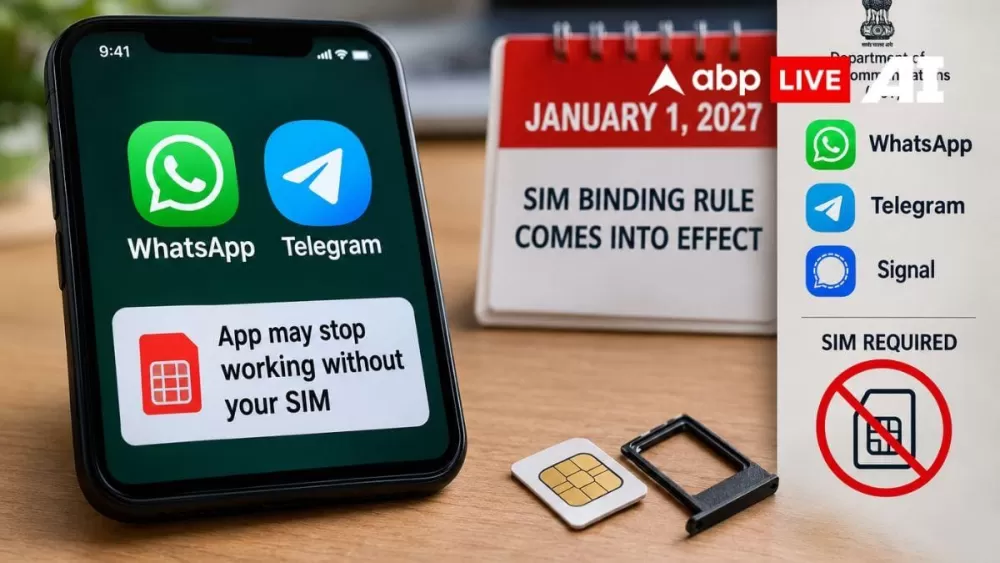
SIM‑binding rule kicks in on Jan 1 2027 – apps stop without your active SIM
From January 1 2027 India’s telecom regulator will force WhatsApp, Telegram and Signal to work only with the SIM that created the account.
Starting on 1 January 2027 a new “SIM‑binding” rule will come into force across India. In plain English, it means that popular messengers such as WhatsApp, Telegram and Signal will refuse to run unless the phone they’re on carries the same active SIM card that was used when the account was first set up.
Why the fuss? The Department of Telecommunications says fraudsters have been exploiting a loophole: they verify a number once, then keep the account alive even after the SIM is removed or the number is deactivated, using it to scam people from abroad. By tying each account to a live, KYC‑verified SIM, authorities hope to make it a lot harder to hide behind anonymous numbers.
What changes can you expect? The apps will periodically check for the presence of the SIM. If it’s missing, the app will simply stop working – though, reassuringly, your chat history stays intact and you can get back online the moment you re‑insert the correct SIM.
What about eSIMs? Good news: an active eSIM is treated the same as a physical card, so WhatsApp will keep working. The catch is that moving an eSIM to a new phone isn’t as easy as swapping a plastic chip; you’ll need to coordinate with your carrier to transfer the profile. Until that’s done, the messenger will stay silent on the new device.
iPhone users wondered if Apple could pull this off. According to insiders, a September iOS update already gives iPhones the ability to detect SIM presence, even though Apple hasn’t publicly commented. Meanwhile, Android users have been seeing test rolls of the feature.
For those who rely on WhatsApp Web, there’s a relief. Earlier drafts of the rule would have forced a mandatory log‑out every six hours, but the government has rolled that back. Now the web client only logs out if the account is suspected of fraud.
The timeline has been a bit of a roller‑coaster. The DoT first issued the order in November 2025, giving companies 90 days to comply. Technical hurdles pushed the deadline to the end of 2026, and finally to 31 December 2026, making the enforcement date 1 January 2027. Non‑compliant apps could face action under the Telecommunications Act, 2023.
So, what should you do today? If you run WhatsApp or Telegram on a device that doesn’t house your primary SIM, start moving the app to the phone that does. Keep your SIM active – don’t let recharge expire – because a deactivated number will lock you out. eSIM owners should arrange the carrier‑guided transfer before swapping phones, and travelers should make sure their Indian SIM stays alive while using foreign data plans.
The rule has its supporters and its critics. Telecom firms applaud the added security, while bodies like the Broadband India Forum argue the move exceeds the regulator’s legal remit. A recent survey suggests many small businesses fear the change could disrupt daily communications.
In short, the new law is set to reshape how we use instant‑messaging in India. A little forethought now can spare you a lot of hassle later.
Editorial note: Nishadil may use AI assistance for news drafting and formatting. Readers can report issues from this page, and material corrections are reviewed under our editorial standards.