Trump Moves to Ease Canadian Tariffs for Maine: A Tactical Lifeline for Sen. Susan Collins
- Nishadil
- October 24, 2026
- 0 Comments
- 3 minutes read
- 4 Views
- Save
- Follow Topic

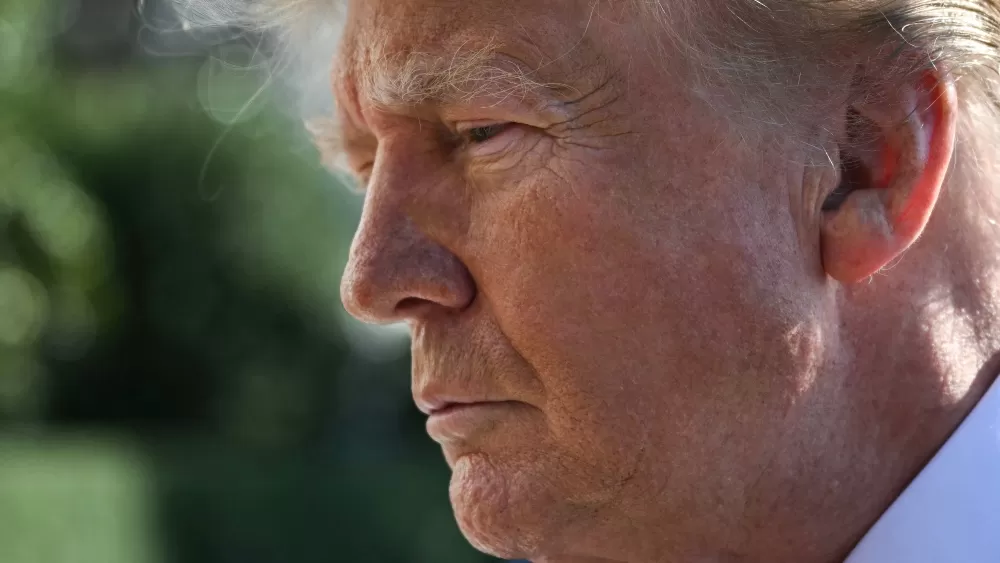
Trump exempts select Canadian goods from 50% tariffs to aid Maine’s Susan Collins
President Trump announced an exemption for certain Canadian imports – plywood, packing crates and machinery – aiming to lessen the cost burden on Maine businesses and help Sen. Susan Collins in her close re‑election race.
In a move that feels part politics, part trade policy, President Donald Trump has decided to carve out a narrow exemption from the 50% tariffs he slapped on roughly $20 billion of Canadian products last summer. Starting Oct. 30, a handful of items – mainly plywood sheets, packing crates and a slice of industrial machinery – will no longer be hit with the steep levy.
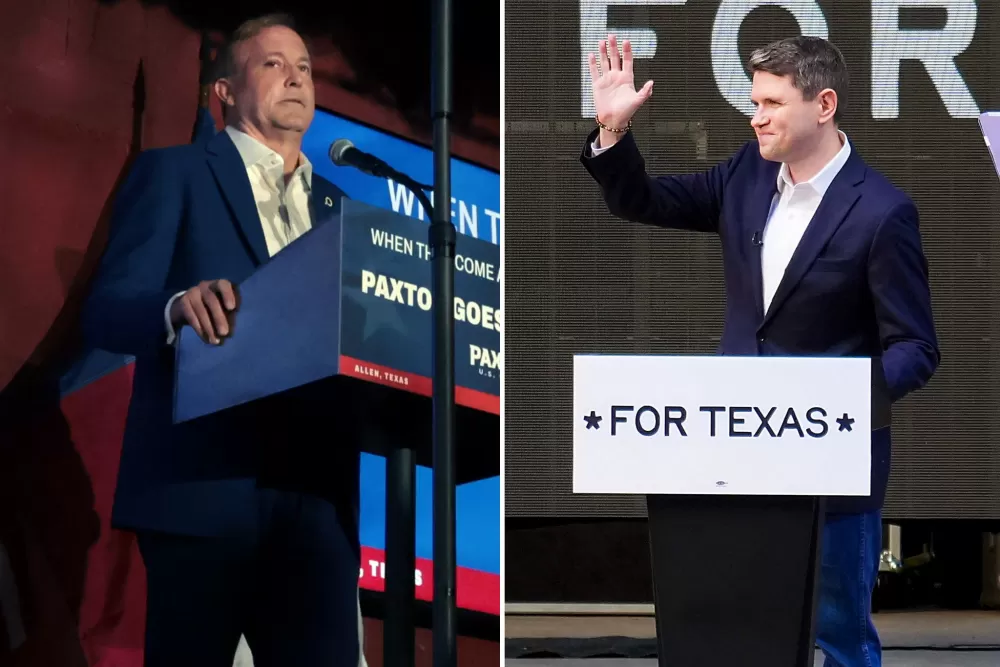
The timing is unmistakable. Maine’s Republican senator, Susan Collins, is staring down a razor‑thin contest against Democratic challenger Troy Jackson. Collins told reporters she’d spoken with Trump’s chief trade negotiator, Jamieson Greer, and Commerce Secretary Howard Lutnick about the “toll” these duties are taking on Maine families, farms and small manufacturers.
“Our farmers and growers rely on specialized equipment and packaging that simply isn’t available domestically, or would cost a fortune to replace,” Collins said. She asked for relief on those very products and urged the administration to push for a broader, more sensible trade deal with Canada – a neighbor the United States has long counted on as its biggest trading partner.
Trump’s trade war with Canada began earlier this year, resurrecting a Depression‑era statute to levy tariffs on a swath of Canadian goods. The president claimed Canada was discriminating against U.S. dairy, auto and alcoholic‑beverage producers. Canada answered in kind, slapping its own 15%‑to‑50% duties on American exports and, later, matching the tariff levels dollar for dollar.
Things escalated further when Trump announced a flat‑out ban on about $1 billion worth of Canadian imports – everything from wine and cheese to motorcycles. In reality, though, it’s U.S. importers who foot the bill, often forced to either pass the added cost onto consumers or swallow the loss themselves.
With the November 3 midterms looming, the cost‑of‑living squeeze is front‑page news. An AP‑NORC poll conducted Sept. 24‑28 found 65% of Americans blame Trump’s policies for persistently high prices, a clear signal of voter fatigue with tariff‑driven inflation and the lingering fallout from the Iran conflict, which has also nudged gasoline up.
Even Democrats are weighing in. Senate Finance Committee’s top Democrat, Ron Wyden, called the move a “desperate, 11th‑hour attempt” to rescue Collins, suggesting it acknowledges that voters are rejecting the “toxic tariff policies” Trump has championed.
For Maine’s wild‑blueberry growers, the issue isn’t abstract. Their harvest boxes – a uniquely Canadian design that meshes with processing lines – are essential; without them, growers would face costly retrofits or reduced yields.
Whether this targeted exemption will swing the Maine race remains to be seen, but it does illustrate how trade tools are being wielded in the service of electoral calculus, a reminder that the line between policy and politics can be surprisingly thin.
Editorial note: Nishadil may use AI assistance for news drafting and formatting. Readers can report issues from this page, and material corrections are reviewed under our editorial standards.