
The Unseen Hand: How Pakistan Quietly Swayed Trump on a US-Iran Ceasefire
- Nishadil
- April 22, 2026
- 0 Comments
- 3 minutes read
- 43 Views
- Save
- Follow Topic
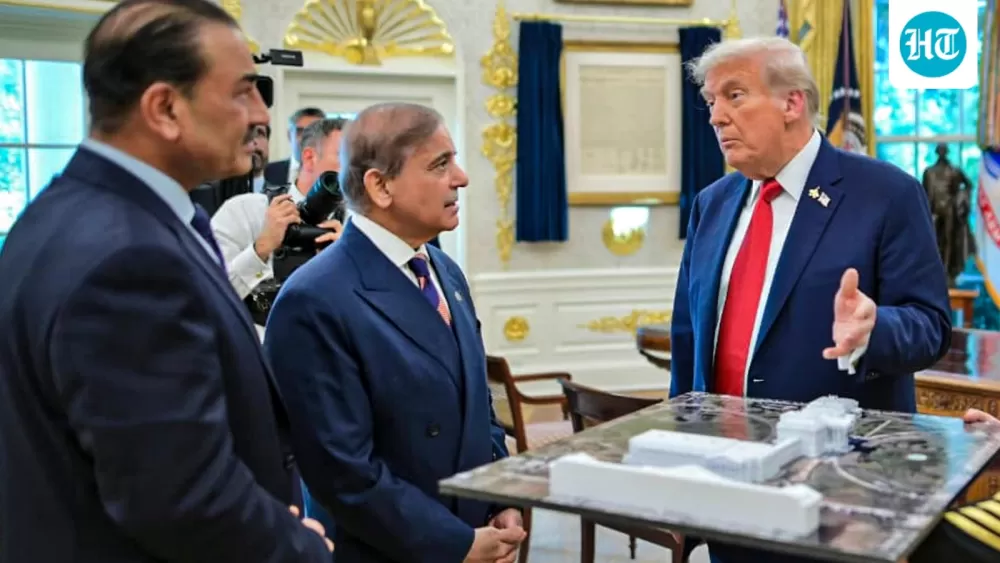
Beyond the Headlines: Pakistan's Pivotal, Behind-the-Scenes Role in Defusing a US-Iran Standoff
Explore the little-known story of how Pakistan's top leadership, through persistent and discreet diplomacy, convinced then-President Donald Trump to extend a crucial ceasefire with Iran, thereby preventing a potential regional catastrophe.
You know, sometimes the most impactful moments in global affairs don't unfold with dramatic speeches or grand public declarations. Instead, they happen quietly, behind closed doors, through persistent, nuanced diplomacy. It's truly fascinating when you pull back the curtain and see the unseen threads that weave through international relations, isn't it?
Consider a particularly tense period during the Trump administration, a moment when the friction between the United States and Iran felt like it was nearing a dangerous flashpoint. Many observers, myself included, genuinely worried that the situation could easily spiral into a full-blown military conflict, with devastating consequences for an already volatile Middle East.
Surprisingly, a rather unexpected player stepped up to the plate to help pull both sides back from the brink: Pakistan. And it wasn't just a minor diplomatic aside. We're talking about a concentrated effort by their most senior figures—General Asim Munir, then the Chief of Army Staff, and Prime Minister Shehbaz Sharif. They weren't just passive observers; they were actively, strategically engaged in trying to de-escalate a rapidly intensifying crisis.
Think back to that specific juncture: an American drone had just been shot down by Iranian forces. The immediate reaction from Washington, and indeed from President Trump himself, was understandably one of intense anger and a very public desire for retaliation. The air was thick with talk of military strikes, and it felt like the world held its breath, wondering if we were about to witness a significant escalation.
It was at this critical moment that Islamabad began its measured, yet powerful, diplomatic push. Their message to Washington was both clear and consistently delivered: a wider military conflict in the region would be catastrophic, not just for the immediate combatants, but for global stability. They carefully articulated the immense risks, the unpredictable ripple effects, and the dire need to prioritize a peaceful resolution over impulsive action.
What makes this intervention even more compelling is the sheer persistence it required. This wasn't a one-and-done phone call. This was a sustained, delicate campaign of back-channel communication, where Pakistani officials leveraged their deep-seated relationship and trust with the United States. They meticulously presented their case, drawing on their unique understanding of regional dynamics and the potential fallout, aiming to impress upon the US leadership the true cost of further conflict.
And gradually, almost imperceptibly at first, their steady counsel began to yield results. Their consistent argument for de-escalation, for diplomacy to prevail over military options, slowly but surely began to sway opinions in Washington. Eventually, despite his initial, very public inclinations, President Trump agreed to extend the ceasefire with Iran. This decision, though it might have seemed like a small bureaucratic step, was in fact a profound victory for quiet diplomacy, averting a crisis that many believed was unavoidable.
In hindsight, it serves as a powerful reminder that truly effective international statecraft often involves those willing to work tirelessly behind the scenes, away from the glare of headlines, to build bridges and defuse tensions. Pakistan's crucial role in this specific episode truly highlights its strategic significance and its capacity to act as a vital, often underestimated, mediator on the global stage. It was a subtle, yet undeniably impactful, demonstration of diplomatic prowess that genuinely altered the course of events.
Editorial note: Nishadil may use AI assistance for news drafting and formatting. Readers can report issues from this page, and material corrections are reviewed under our editorial standards.












