
The Quiet Giants of Climate Action: Why Grasslands Deserve Our Full Attention
- Nishadil
- January 07, 2026
- 0 Comments
- 3 minutes read
- 123 Views
- Save
- Follow Topic
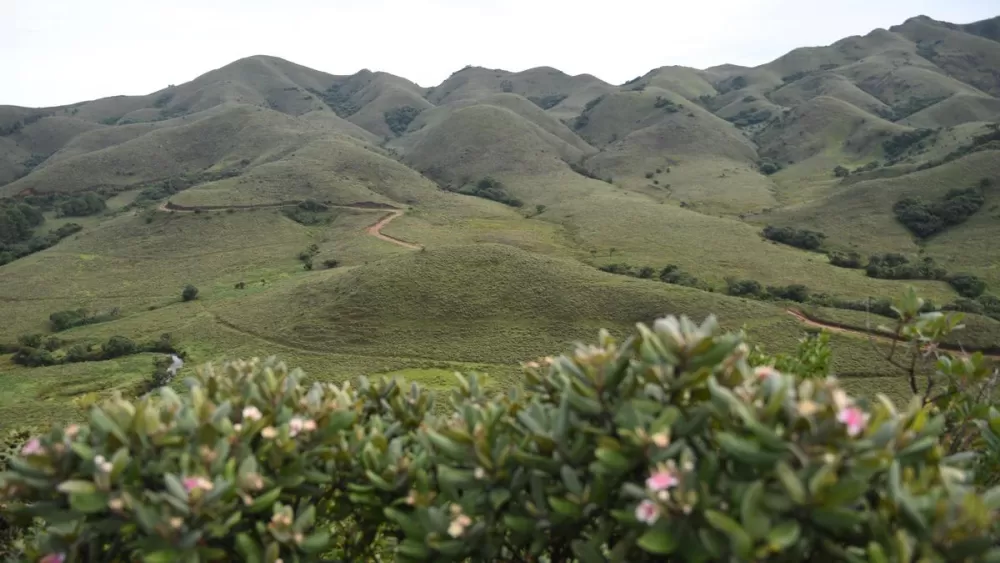
Beyond Forests: Unlocking the Untapped Potential of Grasslands for Global Climate Solutions and Local Livelihoods
Often overlooked, grasslands are vast carbon sinks, biodiversity hotspots, and vital for millions. This article argues for their essential inclusion in national and global climate strategies.
When we talk about tackling climate change, our minds often jump straight to forests, don't they? We picture lush trees, verdant canopies, and the vital oxygen they pump into the atmosphere. And yes, forests are incredibly important. But there's a whole other silent hero in the climate fight, a vast, sweeping ecosystem that often gets left out of the conversation: our planet's grasslands.
These expansive landscapes, from the African savannas to the North American prairies and the Eurasian steppes, actually cover an astounding amount of our Earth's land surface. They're not just 'empty spaces' or places for cows to graze; they are, in fact, absolutely critical for both global climate stability and the very survival of millions of people.
So, why are they so often overlooked? Well, part of it might be their understated nature. Unlike towering trees, much of a grassland's carbon-capturing superpower is hidden beneath the surface. Their dense, intricate root systems dive deep into the soil, locking away enormous amounts of carbon – sometimes even more than forests in certain regions. Think about it: this underground storage is a huge, largely untapped reservoir for CO2, keeping it out of our atmosphere. Yet, despite this monumental service, grasslands rarely feature prominently in national climate action plans or international agreements.
Beyond their incredible role as carbon sinks, grasslands are teeming with life. They host unique biodiversity, providing habitats for countless species of plants, insects, birds, and large mammals. They offer essential ecosystem services too, like maintaining soil health, preventing erosion, and regulating water cycles. And let's not forget the human element: hundreds of millions of people globally, especially indigenous communities and pastoralists, depend directly on healthy grasslands for their livelihoods, their culture, and their food security.
However, these vital ecosystems are under immense pressure. They're being degraded at an alarming rate due to unsustainable land use, agricultural expansion, urbanization, and, of course, the increasing frequency and intensity of extreme weather events driven by climate change itself. When grasslands are degraded, that stored carbon is released back into the atmosphere, creating a double whammy for our planet.
This is precisely why there's a growing, urgent call from organizations like the Global Grasslands Initiative and the IUCN to give grasslands the recognition they truly deserve. They're pushing for these ecosystems to be explicitly included in national climate commitments, known as Nationally Determined Contributions (NDCs), under the UN Framework Convention on Climate Change (UNFCCC). It's high time we moved beyond a narrow focus and adopted a more holistic, nature-based approach to climate action.
Including grasslands means more than just acknowledging their existence. It means investing in their sustainable management, restoration, and protection. It means supporting the communities who are their traditional stewards and leveraging their invaluable knowledge. It means developing better monitoring systems to track their health and carbon storage capacity. Ultimately, it means realizing that a truly effective climate strategy must embrace all of Earth's critical ecosystems, especially those quiet giants beneath our feet, working tirelessly for our future.
Editorial note: Nishadil may use AI assistance for news drafting and formatting. Readers can report issues from this page, and material corrections are reviewed under our editorial standards.












