The Lingering Question: Unpacking Gio Reyna's Limited Minutes with the USMNT
- Nishadil
- November 15, 2026
- 0 Comments
- 3 minutes read
- 13 Views
- Save
- Follow Topic
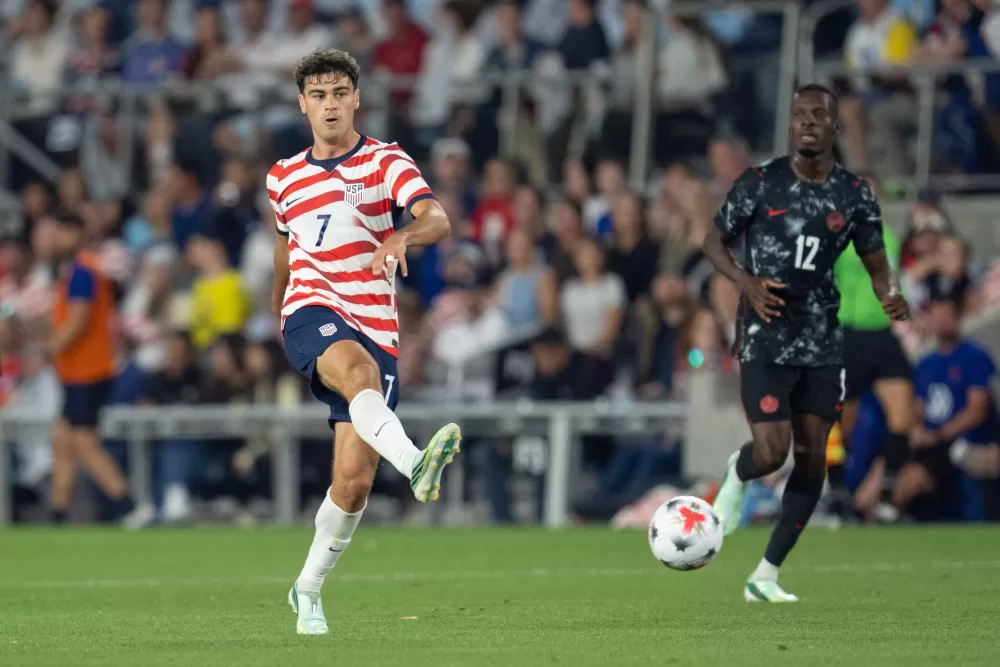
Why Is Gio Reyna Not Consistently Featuring for the USMNT? A Look Beyond the Pitch
It's a question on many fans' minds: Why isn't Gio Reyna, one of the USMNT's brightest talents, playing more often? We delve into the various reasons that might be contributing to his reduced role, from tactical choices to the sheer depth of the squad.
When you talk about the future of U.S. Soccer, Gio Reyna’s name inevitably pops up, doesn't it? He’s a prodigious talent, a creative spark, and on his day, capable of unlocking even the most stubborn defenses. So, it's perfectly natural, perhaps even expected, that eyebrows get raised and questions start swirling when a player of his caliber isn't consistently seeing significant minutes, especially in key matches or, as was the case during the encounter against Haiti, finds himself on the bench.
It’s a tricky situation, you know? On one hand, you have a player with immense potential, who many believe should be a linchpin for the national team. His club performances, when healthy and in form, often showcase glimpses of that world-class ceiling. But then, on the other hand, you have a national team setup, a coach with a specific game plan, and a fiercely competitive squad where every position is earned, not just given. It’s a real balancing act for everyone involved.
So, what exactly could be keeping Reyna from being a regular starter or getting more playing time? Well, several factors typically come into play in these scenarios. First off, there’s always the tactical consideration. A coach, whether it's for a friendly or a crucial qualifier, builds a lineup based on the opponent, the desired formation, and the specific roles he needs filled. Sometimes, even your most technically gifted player might not perfectly fit the defensive responsibilities or the transitional speed required for a particular match-up. It's not a slight on his talent, but rather a strategic chess move.
Then there’s the elephant in the room that often goes unsaid: form and fitness. Let’s be real, professional soccer players are human, and they go through phases. Injuries, even minor niggles, can disrupt rhythm and confidence. And even without injuries, players have peaks and troughs in their performance. If another player in a similar role is consistently delivering at a higher level, or is simply 'in the groove,' the coach is obligated to go with who he trusts to perform right then and there. It’s a meritocracy, after all, especially at the international level where results are paramount.
And let's not forget the sheer depth within the USMNT squad these days. Seriously, it's a fantastic problem to have, but a problem nonetheless for player selection. The midfield and attacking corps are packed with young, dynamic talent, all vying for those coveted starting spots. You have players like Christian Pulisic, Weston McKennie, Yunus Musah, Timothy Weah, and Brenden Aaronson, just to name a few, who are also playing at top European clubs. When you're competing against that kind of quality every single training session, it makes every minute on the pitch incredibly valuable and hard-won.
Ultimately, the coach's decision is often a multifaceted one, balancing individual brilliance with team cohesion, short-term results with long-term development. While fans naturally want to see the most exciting players on the field, the technical staff are often privy to details about training performance, tactical readiness, and overall squad dynamics that aren't visible from the stands or on TV. It doesn't mean the questions stop, nor should they, because that's part of the passion of being a fan. But for now, we wait and watch, hoping to see Gio Reyna's undeniable talent unleashed fully for the Stars and Stripes when the time is right.
- Sports
- Football
- UnitedStatesOfAmerica
- News
- SportsNews
- Soccer
- TypeStory
- TagSportsNews
- AccessMetered
- TagOverallNegative
- PlayerForm
- UnitedStatesMenSNationalTeam
- Usmnt
- SportsAnalysis
- NationalTeam
- SquadDepth
- TagSoccer
- PlayingTime
- TagInstagram
- TacticalDecisions
- TagUSMenSNationalSoccerTeam
- SstsnUsmnt
- SstsSportsSoccerUsmnt
- CoachStrategy
- SourceUsaToday
- GioReyna
- TagHaitiMenSNationalSoccerTeam
Editorial note: Nishadil may use AI assistance for news drafting and formatting. Readers can report issues from this page, and material corrections are reviewed under our editorial standards.