
The Hidden Culprit: How Red Tape Is Fueling America's Housing Crisis
- Nishadil
- October 01, 2026
- 0 Comments
- 4 minutes read
- 3 Views
- Save
- Follow Topic
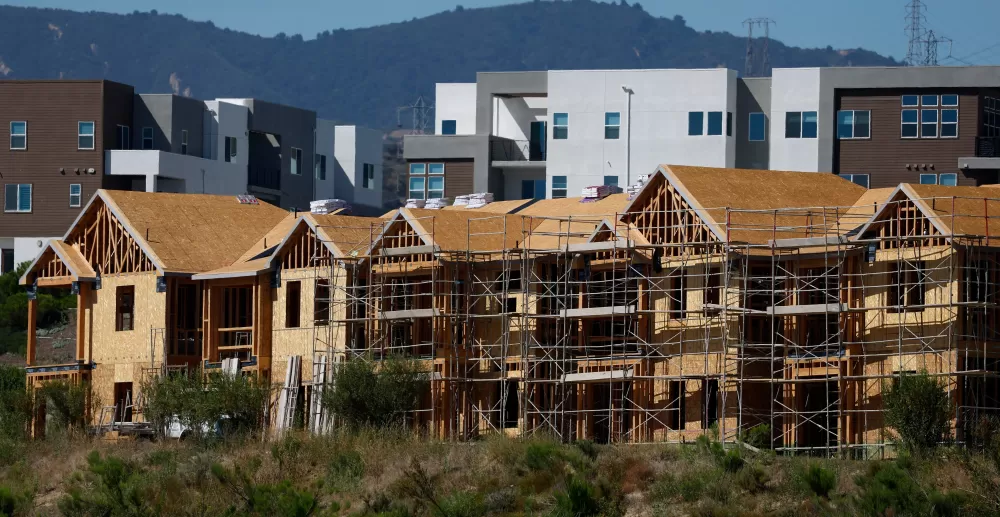
Permitting Delays Are Slowing Housing Construction to a Crawl, Making Homes Unaffordable
New research reveals staggering disparities and slowdowns in housing permitting across the U.S., directly contributing to a national housing shortage and soaring costs.
Finding an affordable place to call home feels like an ever-tougher battle these days, doesn't it? For so many, the dream of a secure, reasonably priced roof over their head is slipping further and further away. And while there are countless factors at play in our nation’s housing crunch, new research is shining a really stark light on one often-overlooked culprit: the tangled, slow-moving web of local permitting processes.
Think about it: building a home, especially a multi-family apartment building, isn't just about bricks and mortar. Long before a single nail is hammered, developers have to navigate a bureaucratic labyrinth to get approval. And a groundbreaking economics working paper, the first of its kind to offer a national database on housing construction timelines, paints a rather concerning picture. What it reveals is a country where simply getting permission to build can take an absurd amount of time, and it's getting worse.
The disparities are, frankly, shocking. Imagine building an entire apartment complex in Raleigh, North Carolina, from start to finish. Now, picture a similar project in San Francisco. Believe it or not, the research suggests that the entire construction period in Raleigh can be equivalent to the time it takes just to approve the permit for that same building out in San Francisco. It really highlights how wildly inconsistent and often inefficient our local approval systems have become.
This isn't just an issue for a few outlier cities; the slowdown in permitting for multi-family projects is a nationwide trend. Back in 2000, if you were a developer with a standardized multi-family project, you had a decent 71% chance of getting your permit approved within six months. Fast forward to today, or rather, what's projected for 2025, and that probability plummets to a mere 44%. That's a dramatic decline, hinting at increased bureaucratic friction and an ever-higher bar to clear before construction can even begin.
And the consequences? Well, they're profound. These seemingly minor delays pile up, contributing significantly to what many experts now call a deficit of "millions of homes" across the United States. When projects are stuck in limbo, developers incur extra costs – think lost staff time, increased interest on loans for land acquisition, and the general uncertainty of prolonged processes. Naturally, these added expenses inevitably get passed on to future residents, making new homes more expensive before they even break ground.
Take Los Angeles, for instance, a city grappling with one of the toughest housing markets. Research by Evan Soltas and Jonathan Gruber dives deep into the true cost of permitting there. They found that developers are willing to pay a hefty premium, about 50% more, or an additional $48 per square foot, for land that already has pre-approved permits. Why? Because that pre-approval significantly boosts the probability of completing construction within four years of acquiring the site by a full 10 percentage points, or roughly 30% overall. Essentially, developers are paying extra just for the certainty of moving forward, a testament to how debilitating the permitting process can be. In fact, these permitting costs alone can explain about one-third of the difference between actual home prices and their underlying construction costs in LA.
Ultimately, this isn't just an abstract economic problem or a headache for developers. It's a deeply human crisis. The Harvard Joint Center for Housing Studies’ 2025 report laid it bare: in 2023, a shocking half of all renters in the U.S. were "cost-burdened," meaning they spent over 30% of their income just on housing. And a staggering 27% were "severely burdened," dedicating more than half of their earnings to rent. When permits drag on, slowing down new supply and driving up costs, it’s these very individuals and families who bear the brunt, struggling to afford basic necessities after covering their rent.
So, the next time you hear about the housing crisis, remember the often-unseen administrative hurdles. It's a complex puzzle, but streamlining our permitting processes, making them more predictable and efficient, could be a surprisingly powerful piece of the solution, helping more Americans find an affordable place to truly call home.
Editorial note: Nishadil may use AI assistance for news drafting and formatting. Readers can report issues from this page, and material corrections are reviewed under our editorial standards.










