The Art of Letting Go: Leadership Transitions Through the Eyes of Tech Titans
- Nishadil
- April 21, 2026
- 0 Comments
- 3 minutes read
- 24 Views
- Save
- Follow Topic
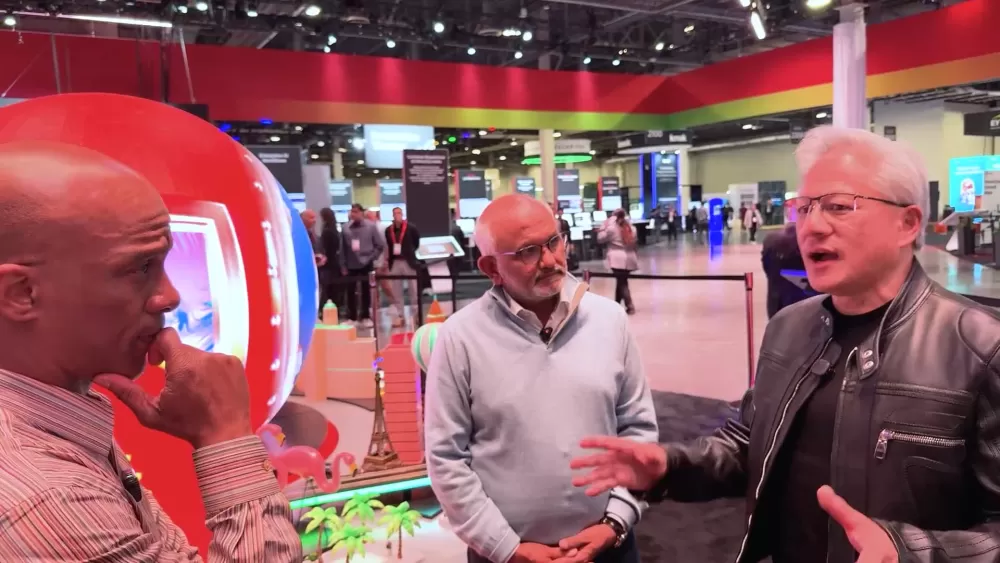
Jensen Huang and Shantanu Narayen Unpack the Intricacies of CEO Succession
Ever wondered what goes into passing the leadership baton at a multi-billion dollar company? Two of the tech world's most enduring CEOs, Nvidia's Jensen Huang and Adobe's Shantanu Narayen, recently offered a rare glimpse into the strategic and human complexities of CEO transitions. It's far more than just naming a new boss; it's about safeguarding a legacy, steering innovation, and ensuring a smooth, impactful evolution.
In the high-stakes world of technology, where innovation dictates survival and market capitalization can shift with a single announcement, the question of leadership succession isn't merely a procedural formality; it's an existential one. Imagine, for a moment, the weight of responsibility that rests on the shoulders of a CEO, particularly those who've not just steered, but fundamentally built the ships they command. Now, imagine them contemplating the moment they'll hand over the helm. It's a conversation filled with strategic foresight, emotional depth, and an unwavering commitment to the company's future.
Recently, two such titans, Jensen Huang of Nvidia and Shantanu Narayen of Adobe, opened up about this very topic: the intricate dance of CEO transitions. It's a rare and incredibly valuable opportunity to peek behind the curtain of boardroom decisions and understand the profound thought processes involved. These aren't just executives; they are architects of entire industries, and their insights offer a masterclass in long-term leadership.
For Shantanu Narayen, at the helm of Adobe since 2007, the concept of succession is intrinsically woven into the fabric of continuous innovation. Adobe, under his guidance, underwent a remarkable transformation, shifting from boxed software to a dominant cloud-based subscription model. His perspective likely emphasizes a meticulously planned, almost organic evolution of leadership, where internal talent is nurtured, and the strategic vision remains paramount. It’s about ensuring that the next leader doesn’t just maintain momentum but accelerates it, while preserving the company's unique culture and creative spirit. You know, it's never just about finding a replacement; it's about finding the right torchbearer.
Then there's Jensen Huang, the co-founder and CEO of Nvidia since its inception in 1993. His journey is one of relentless vision, steering Nvidia from a niche graphics card company to a global powerhouse in AI and parallel computing. For a founder-CEO, the idea of a transition carries an entirely different kind of weight. It’s not just about a company; it’s about a life's work, a deeply personal legacy. Huang's insights would surely delve into the emotional calculus involved, the struggle between a deep personal attachment to the creation and the pragmatic need for strategic continuity. One can only imagine the kind of thought that goes into ensuring that the core ethos, the very DNA of Nvidia, continues to thrive under new leadership.
What becomes abundantly clear from such discussions is that CEO transitions, especially at this scale, are anything but impulsive. They are the culmination of years, sometimes decades, of strategic planning, talent development, and cultural reinforcement. Both Narayen and Huang, in their respective roles, exemplify a commitment to looking far beyond the next quarter, envisioning a future where their companies not only endure but continue to redefine their fields. It's about building a robust leadership pipeline, fostering a culture of adaptability, and ultimately, making a decision that serves the best interests of employees, shareholders, and the very mission of the organization. Truly, it’s an art form, this leadership hand-off, requiring both head and heart.
Editorial note: Nishadil may use AI assistance for news drafting and formatting. Readers can report issues from this page, and material corrections are reviewed under our editorial standards.