
The American Factory Renaissance: Ambition Meets Reality
- Nishadil
- October 01, 2026
- 0 Comments
- 5 minutes read
- 4 Views
- Save
- Follow Topic
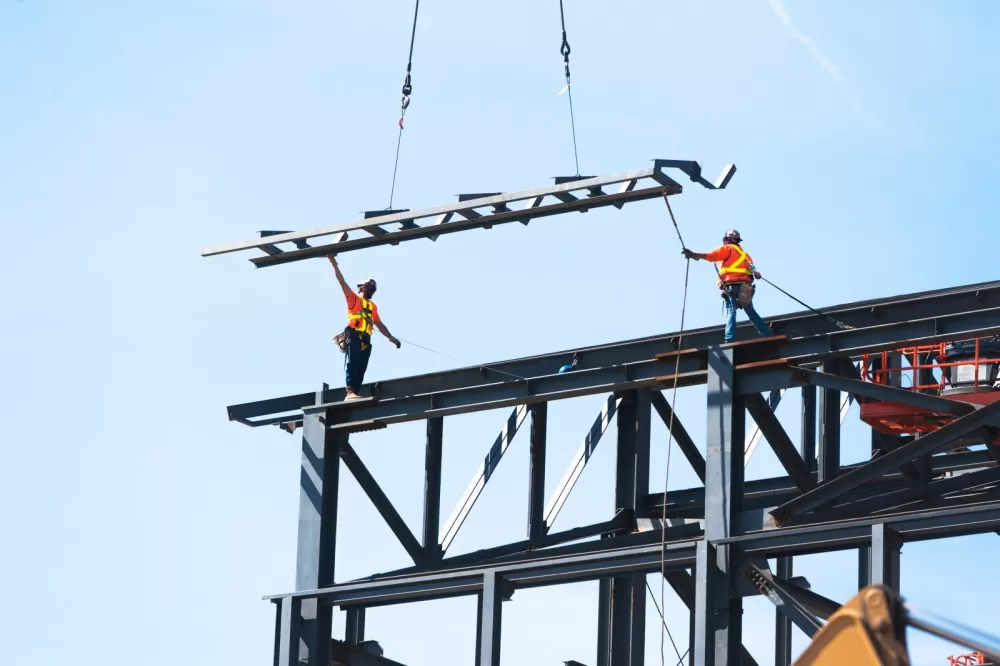
America's Manufacturing Push: Building Factories, But Are We Ready to Supply Them and Sustain the Jobs?
Explore the ambitious drive to rebuild American manufacturing, examining both the government's push for new factories and expert concerns about supply chain resilience and the true nature of long-term job creation.
There's a palpable buzz in the air, a certain optimism swirling around the notion of 'Made in America.' It’s a powerful vision, isn't it? The idea of a revitalized industrial landscape right here on home soil, humming with activity and innovation. For many, it represents a path to economic strength and national pride, a return to what some might call foundational American values.
Indeed, former President Donald J. Trump frequently championed this resurgence, proclaiming a remarkable wave of factory and plant construction across the nation. He spoke of an unprecedented level of economic momentum, a true building boom transforming communities. His administration wasn't just talking; they were actively laying groundwork, too. Think about the Executive Order aimed at ensuring products claiming to be 'Made in the U.S.A.' were actually, genuinely, made here. Or the directive for federal agencies to prioritize American-made goods. These were concrete steps, designed to give domestic manufacturing a much-needed boost.
Furthermore, significant legislative changes were enacted to fuel this growth. The 'Working Families Tax Cuts Act,' for example, made the 20% Small Business Tax Deduction a permanent fixture. This wasn't just a minor tweak; it was projected to unleash an incredible $750 billion in economic growth and create over a million Main Street jobs. And for those looking to invest in new production capabilities, the administration delivered 100% expensing for new factories, equipment, and research and development efforts. It really seemed like all systems were go, pushing for an industrial comeback.
And the numbers, at first glance, seemed to echo this positive shift. Reports from the U.S. Department of Labor indicated robust job creation: 112,000 new construction jobs for manufacturing plants, plus an additional 72,000 direct manufacturing jobs created during a specific timeframe in the President's second term. Moreover, by the first quarter of 2026, American manufacturing reportedly added jobs for the first time in three years. It felt like a turning point, a tangible sign that the efforts were paying off.
But, as with many ambitious endeavors, the devil, as they say, is often in the details. What about the intricate web of global supply chains? And how truly 'new' are these jobs, once the construction dust settles? These are the kinds of questions that give pause, even amidst the excitement.
Enter experts like Eric Kutcher, a Senior Partner and North America Chair at McKinsey. He paints a slightly more nuanced, perhaps even cautionary, picture. He points out a stark reality: roughly a quarter of our global supply chain elements face a genuine risk of disruption. Imagine a critical component, say for life-saving pharmaceuticals, suddenly becoming scarce because its production is concentrated in just a handful of overseas locations. It’s a concerning vulnerability, one that underscores the urgent need for a more resilient, localized manufacturing base.
And here's another crucial point Kutcher highlights: building a factory is one thing; getting it up and running to create sustainable, long-term operational jobs is quite another. He reminds us that highly complex facilities, like semiconductor plants, can take a good four years before they hit reasonable production levels and truly start humming with efficiency. It's not an overnight transformation. Plus, modern factories often lean heavily on automation, meaning many of the long-term roles might not be what we traditionally envision – they could be fewer in number, requiring different skill sets than the hands-on factory work of yesteryear.
Naturally, this grand vision of a revitalized American manufacturing landscape hasn't been without its share of scrutiny and public skepticism. There's a persistent call for specifics – where exactly are these new factories? What kinds of products are they making? And crucially, what kind of lasting impact are they truly having on the job market beyond the initial construction phase? The debate over the extent of genuine job growth in manufacturing continues, with some reports even indicating job losses in previous administrations, adding layers of complexity to the current narrative.
So, while the ambition to rebuild and strengthen America's industrial base is commendable and undeniably appealing, the path forward is complex. It's not just about erecting buildings; it's about meticulously cultivating the entire ecosystem that supports them, ensuring resilient supply lines, and creating genuinely impactful, future-proof employment. It's a grand vision, yes, but one that demands a sober, long-term perspective to truly realize its full potential, navigating the exciting promises alongside the intricate challenges.
Editorial note: Nishadil may use AI assistance for news drafting and formatting. Readers can report issues from this page, and material corrections are reviewed under our editorial standards.










