The 10 Cities Where Bad Weather Is Least Likely to Ruin Your Vacation
- Nishadil
- July 26, 2026
- 0 Comments
- 4 minutes read
- 17 Views
- Save
- Follow Topic

From Lima’s gentle fog to Las Vegas’s endless sunshine, these destinations score high on climate reliability
A new study ranks 87 global cities by how many extreme‑weather days they logged, highlighting the places where you’ll spend more time sightseeing and less time seeking shelter.
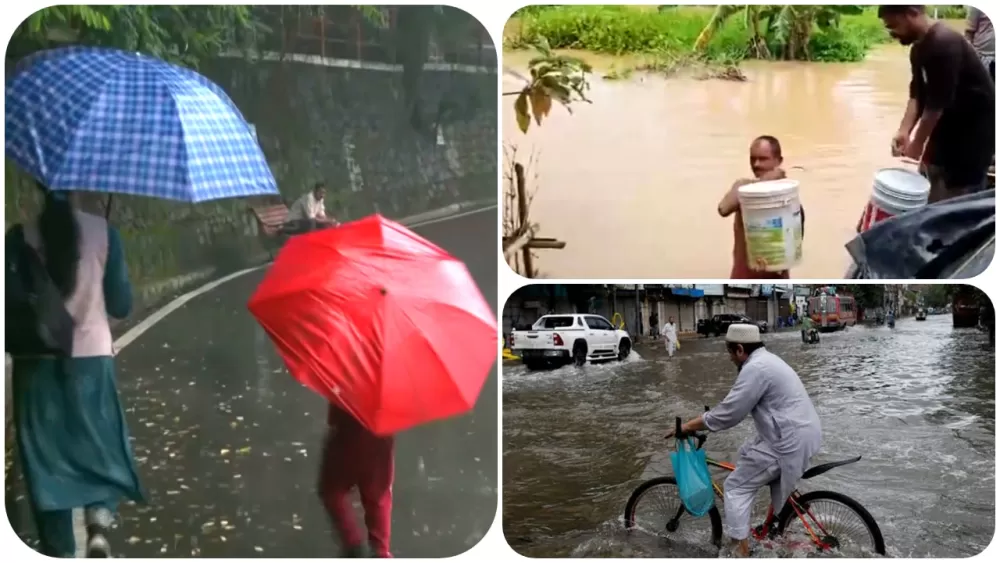
Planning a getaway feels a lot like solving a puzzle. You can book a nonstop flight, snag a window seat, and even pre‑order a skip‑the‑line museum pass. The one piece you can’t truly control? The weather. A surprise thunderstorm can cancel a boat tour, a heatwave can turn your city walk into a marathon to the nearest air‑conditioned museum, and more severe events—hurricanes, wildfires, floods—have started to make headlines in travel circles.
Enter the latest “Smooth City” research from Premier Inn. Researchers crunched data from 87 major world cities, counting how many days over the past year each place experienced what they define as extreme weather. They didn’t stop at clouds and rain; the study also layered in airport delays, traffic snarls, mobile‑internet speed, and even the number of national holidays, aiming to spotlight destinations that are simply easier for the modern traveler.
The results are a mixed bag of the expected and the surprising. San Diego, California, earned a spot near the top—no wonder the U.S. Weather Bureau calls its climate “the closest thing to perfect” in America. But then you see Cairo, Egypt, making the cut despite its reputation for blistering 90‑degree days. And Las Vegas? Yes, the neon desert oasis shows up, even though summer highs regularly top 100°F. The common thread? Consistency. Even when it’s hot, it’s predictably hot, and that can actually work in your favor.
Lima, Peru, claims the crown. It’s the only major city perched on a tropical desert, and its climate is something of a meteorological oddity: mild temperatures year‑round, a constant veil of coastal fog, and almost no rain. In the past twelve months Lima logged just four days of extreme weather—by far the lowest of any city in the study. That means more time strolling through Miraflores, tasting ceviche in Barranco, or wandering its fascinating museums without constantly checking the forecast.
Hot on its heels is Cairo, Egypt, with 22 extreme‑weather days, followed closely by Las Vegas, Nevada, at 23. Both cities may sound risky at first glance, but the data shows that when bad weather does strike, it’s brief and infrequent.
North America holds a solid four spots in the top ten:
- Las Vegas, Nevada (No. 3)
- San Diego, California (No. 6)
- Mexico City, Mexico (No. 8)
- Miami, Florida (No. 9)
Don’t let the mention of Miami scare you—while the city does sit in hurricane season, the study counts total extreme‑weather days across the whole year, not just the occasional storm. In practice that translates to about 34 such days, which is still lower than many other global capitals.
Here’s the full list, from most to least weather‑friendly:
- Lima, Peru — 4 extreme‑weather days
- Cairo, Egypt — 22 days
- Las Vegas, Nevada — 23 days
- Santiago, Chile — 26 days
- Vilnius, Lithuania — 30 days
- San Diego, California — 31 days
- Warsaw, Poland — 32 days
- Mexico City, Mexico — 34 days
- Miami, Florida — 34 days
- Stockholm, Sweden — 35 days
Keep in mind that no city is a weather‑proof guarantee. Seasonal patterns still matter—think hurricane‑prone months in Miami or the soaring summer heat of Las Vegas. But if you’re after a destination where the odds of a sudden downpour or a blizzard are slim, this list gives you a solid starting point.
So, next time you’re weighing where to point your suitcase, consider the climate consistency as part of the equation. A sunny day in Lima or a reliably warm afternoon in San Diego might just be the backdrop your vacation needs.
- UnitedStatesOfAmerica
- News
- Weather
- SanDiego
- Tourism
- TourismNews
- LasVegas
- Travel
- Vacation
- ExtremeWeather
- ExtremeWeatherEvents
- Cairo
- VacationDestinations
- WeatherForecasts
- Lima
- ArchaeologicalMuseum
- VegasVacation
- DegreeDays
- UnitedStatesWeatherBureau
- CitiesAroundTheWorld
- SmoothCityStudy
- PremierInnResearch
Editorial note: Nishadil may use AI assistance for news drafting and formatting. Readers can report issues from this page, and material corrections are reviewed under our editorial standards.