Spark Capital CIO Deepan Kapadia on Why Indian Healthcare Is Still a Bright Spot
- Nishadil
- October 21, 2026
- 0 Comments
- 3 minutes read
- 11 Views
- Save
- Follow Topic
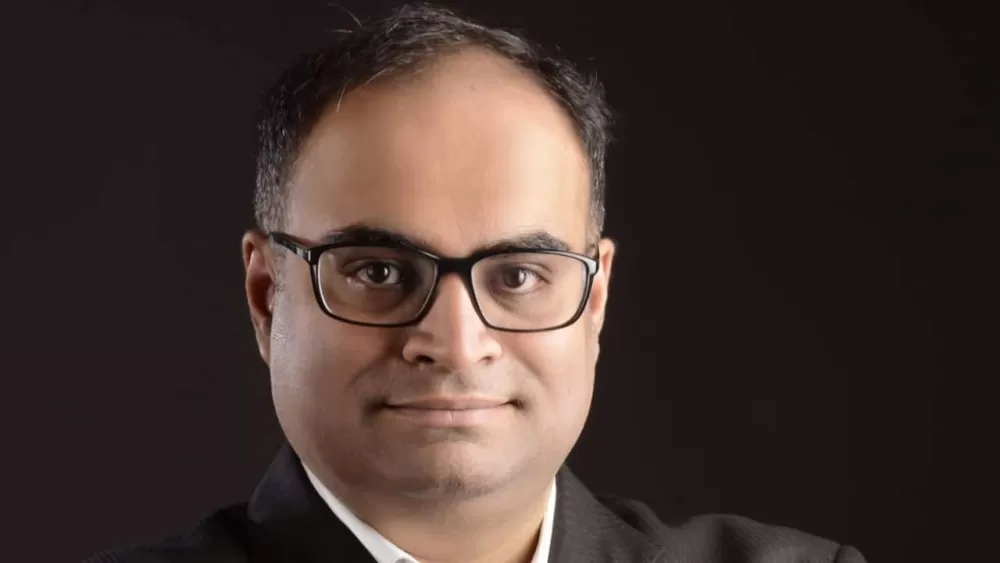
Healthcare stays structurally constructive, CDMOs shine, AI gets a reality‑check – insights from Spark Capital’s CIO
Deepan Kapadia, CIO of Spark Capital PWM, explains why India's healthcare sector remains robust, highlights the promise of CDMOs, and weighs the risks from US politics and AI valuations.
When I sit down for a quick chat with investors, the first thing I tell them is that the Indian healthcare landscape is still a garden worth walking through. It isn’t just the buzz around AI or the occasional headline about politics in Washington – it’s a steady, almost inevitable rise in spending on health, a swelling number of chronic‑illness patients, and a growing slice of the population finally covered by insurance.
All of that adds up to a solid foundation for a range of businesses – hospitals that are expanding their footprint, pharma houses rolling out new molecules, diagnostics firms that are getting smarter with data, and medical‑device makers churning out the next generation of implants. But if I had to pick a single segment that feels like the hidden gem of the sector, it would be the contract development and manufacturing organisations, or CDMOs.
Indian CDMOs are doing something interesting: they’re moving up the value chain. Instead of just being the “factory floor” for generic pills, they’re now taking on niche, high‑margin projects – complex biologics, specialised APIs, even cell‑therapy platforms. That shift not only improves margins, it also positions India as a serious player on the global stage. In short, the CDMO story is a classic case of “think global, act local.”
Now, let’s flip the coin for a moment and talk about AI. The excitement is real – everyone from startups to mid‑cap IT firms is waving the AI flag. But the market is getting a bit choosy. We’re moving from a phase of “let’s throw money at anything with a neural‑net” to “show me the cash‑flow.” In other words, investors want to see real earnings, not just futuristic promises. Companies that can prove they’re turning AI into profitable, cash‑generating businesses will be the ones that survive the next wave.
And then there’s the elephant in the room – US politics. Whether Trump wins another swing, or the mid‑terms swing the other way, the real impact on Indian markets comes down to three things: trade policy, Treasury yields, and the flow of foreign institutional money. A serious wobble in US stability could spark a global risk‑off, trigger rupee weakness, push imported inflation higher, and dampen export demand. We keep an eye on those channels, but we also remember that India’s domestic consumption and infrastructure spend give us a decent cushion.
Putting it all together, my outlook looks like this: stay constructive on healthcare, especially the CDMO niche; stay selective on AI, favouring firms that can demonstrate solid cash earnings; and keep a watchful eye on US political‑economic developments because they can ripple through capital flows. That’s the framework I use when building portfolios at Spark Capital PWM.
One final note for the everyday reader – I’m not betting on tax reforms or policy windfalls to drive returns. The focus stays on businesses with sturdy balance sheets, sustainable margins, and valuations that make sense. If you see those ingredients, you’re probably looking at a decent long‑term play.
Editorial note: Nishadil may use AI assistance for news drafting and formatting. Readers can report issues from this page, and material corrections are reviewed under our editorial standards.