A Whisper of Life: How Healthy Corals Can Revive Their Dying Kin
- Nishadil
- November 14, 2026
- 0 Comments
- 4 minutes read
- 8 Views
- Save
- Follow Topic
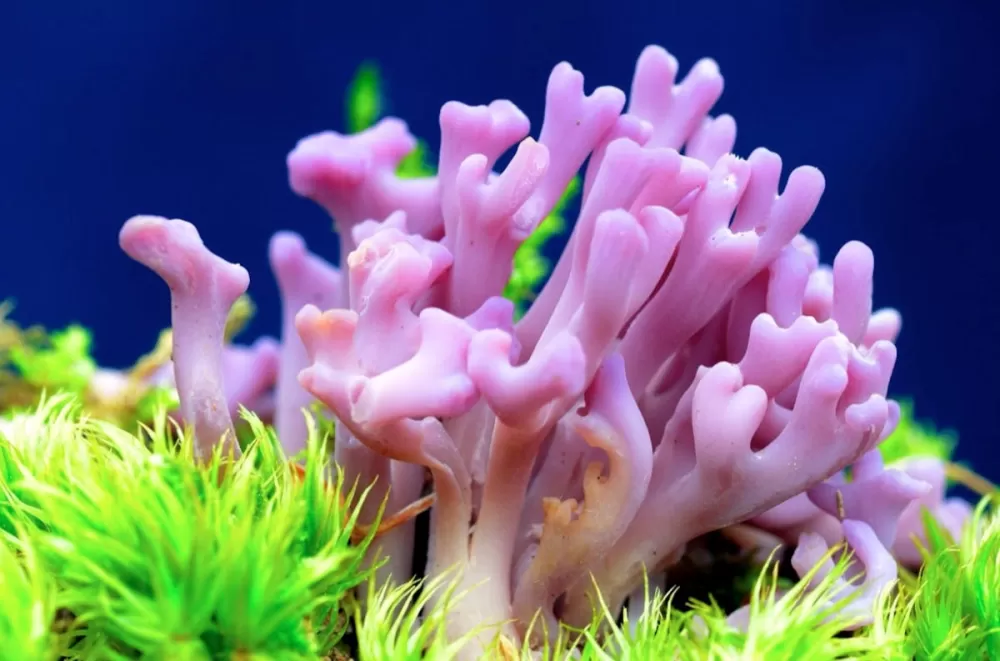
Stunning Discovery: Bleached Corals Recover with a 'Touch' from Healthy Relatives
Scientists at Stanford University have found that severely bleached corals can remarkably recover when touched by healthy, genetically identical corals, offering a new glimmer of hope for our struggling reefs.
The health of our world's coral reefs has been a truly heartbreaking story for decades now. We’ve watched, often helplessly, as vibrant underwater cities turn ghost-white, victims of relentless coral bleaching. It’s a stark visual reminder of the immense pressure our oceans are under. But what if a dying coral could, quite literally, brush against a healthy one and begin to heal? What if a simple touch could ignite a remarkable recovery? Well, a recent, astonishing discovery from Stanford University suggests just that, offering a much-needed glimmer of hope in the fight to save these critical ecosystems.
Imagine this for a moment: a coral colony, utterly devoid of its vibrant color, almost translucent from severe bleaching. Now, picture a healthy, thriving sibling coral gently touching it. Within a matter of weeks – sometimes even as quickly as five days – the bleached coral starts to regain its hue, its life force returning. How does this magic happen? Scientists observed that the healthy coral actually extends a "tissue bridge" to its ailing relative. Think of it as a microscopic nutrient highway, directly delivering beneficial, life-sustaining algae to the bleached colony. These tiny algae, called zooxanthellae, are absolutely crucial; they're the powerhouses that give coral their color and provide their primary food source.
This incredible, swift recovery, documented as the fastest ever observed for coral bleaching, was spearheaded by a dedicated team at Stanford University in California. Danny Collins, an oceans PhD student at the Stanford Doerr School of Sustainability, was the lead author on this pivotal research. Their findings, which certainly sent ripples of excitement through the marine biology community, were published in the esteemed journal Science Advances on October 14, 2026. It’s a testament to persistent scientific inquiry, even when the news about reefs often feels so bleak.
To truly appreciate the significance of this discovery, it helps to remember what coral bleaching entails. It’s primarily triggered by elevated sea temperatures and intense UV radiation. When corals get stressed, they expel those symbiotic algae – their vital internal roommates, essentially – losing their dazzling color and, more critically, their main food source. This leaves them terribly vulnerable to starvation, disease, and ultimately, death. Our planet's coral reefs, these underwater biodiversity hotspots, are already grappling with a cocktail of stressors: global warming, ocean acidification, overfishing, and pollution. So, finding any natural mechanism for recovery is, quite frankly, a huge deal.
Now, before we get too carried away, it’s important to acknowledge some key limitations. This breakthrough, while thrilling, was made under controlled laboratory conditions. And here’s the kicker: it only works when the healthy and bleached corals are genetically identical and in direct contact. So, we're not quite at a point where we can just have corals hold hands across vast, damaged reefs in the wild. But even with these caveats, the implications are profound. This research opens up entirely new avenues for understanding coral resilience. It pushes us to consider innovative strategies for conservation, perhaps focusing on enhancing natural recovery processes or even targeted interventions.
In a world grappling with the very real threats to our marine ecosystems, this discovery about corals sharing life through a simple touch is more than just a scientific curiosity; it’s a powerful metaphor for hope and interconnectedness. While the path to large-scale reef recovery remains incredibly challenging, these Stanford scientists have certainly given us a precious new piece of the puzzle. It reminds us that even in the face of immense environmental adversity, nature often holds its own remarkable secrets for survival, just waiting for us to uncover them.
Editorial note: Nishadil may use AI assistance for news drafting and formatting. Readers can report issues from this page, and material corrections are reviewed under our editorial standards.