South Korea's Semiconductor Confidence: Growth Expected Through 2027
- Nishadil
- October 22, 2026
- 0 Comments
- 2 minutes read
- 25 Views
- Save
- Follow Topic
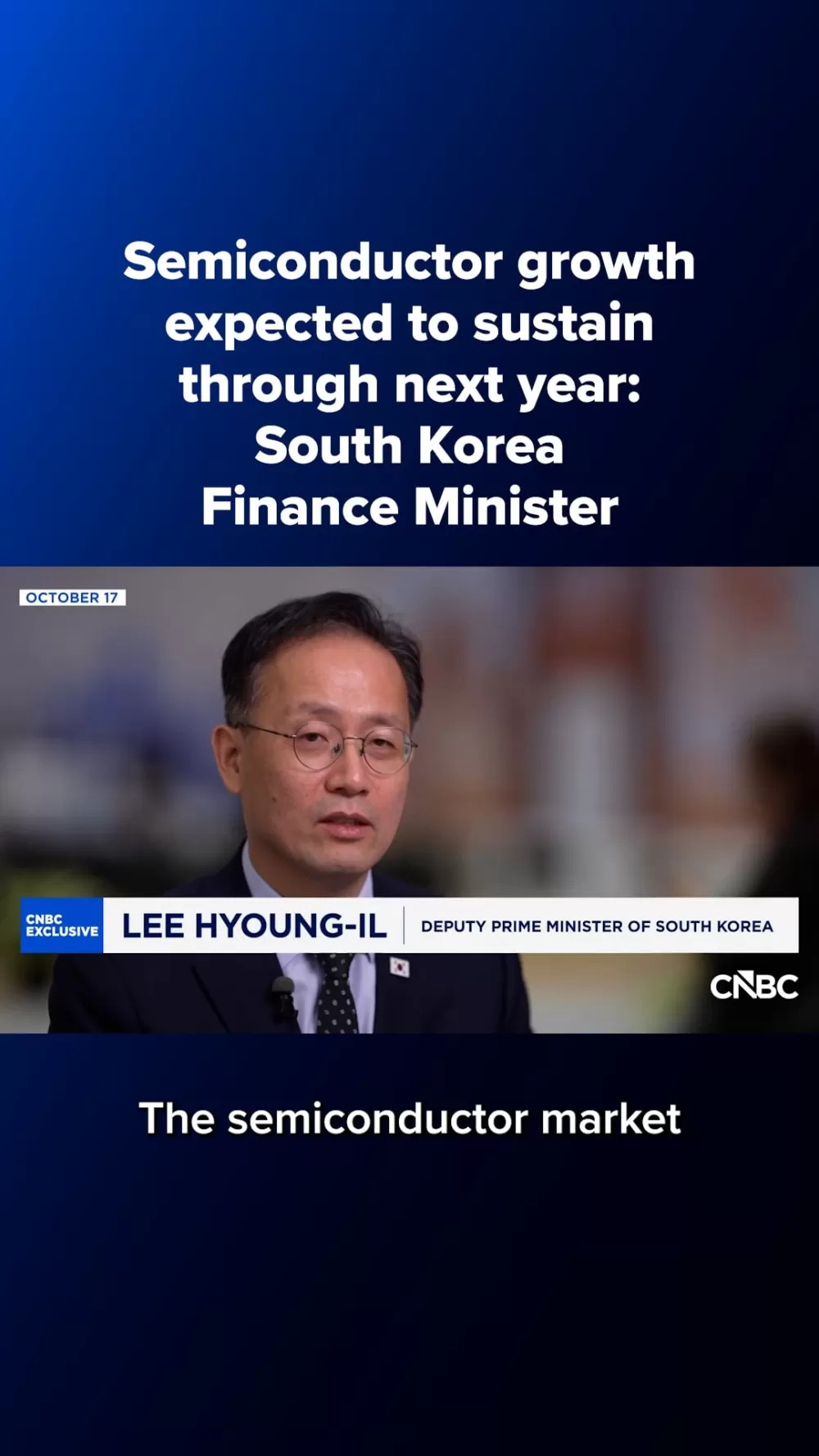
Minister Lee Hyung-ryeol Projects Sustained Chip Boom Amidst Global Demand, Warns of Future Hurdles
South Korea's Deputy Prime Minister and Finance Minister, Lee Hyung-ryeol, offered a compelling outlook at the recent IMF-World Bank meetings, confidently stating that the semiconductor industry's robust growth is set to continue at least through 2027, fueled by a significant demand-supply gap. Yet, he wisely tempered this optimism with a nod to inevitable market uncertainties.
When South Korea's Deputy Prime Minister and Minister of Economy and Finance, Lee Hyung-ryeol, speaks about semiconductors, the world really listens. And it seems his recent pronouncements from the sidelines of the IMF-World Bank annual meetings in Bangkok, delivered between October 18th and 22nd, 2026, carry a rather optimistic, yet cautiously balanced, message for the global tech industry.
Minister Lee, a key figure in South Korea's economic strategy, made it clear he anticipates the semiconductor industry's impressive growth trajectory to persist, quite remarkably, at least through 2027. This isn't just wishful thinking; his confidence, he explained, is rooted in some very concrete factors. Primarily, there's this noticeable and sustained gap where demand for these essential chips continues to outstrip the available supply. Couple that with the continuous, ongoing expansion of supply itself – a bit of a race, you know – and you can see why he feels the momentum will carry forward for a good while.
It's fascinating, isn't it, how crucial these tiny components are to virtually every aspect of modern life, from our smartphones to our cars, even the data centers that power the internet? So, an extended period of growth in this sector is certainly welcome news for many. However, and this is where Minister Lee's seasoned perspective truly shines, he was quick to inject a note of caution. No forecast, after all, is ever entirely set in stone. He acknowledged those 'always uncertainties' that inevitably hover over such predictions, hinting at the dynamic and sometimes volatile nature of the chip market.
Indeed, some industry watchers are already peering a little further down the road, suggesting that by 2029, we might just be looking at a different landscape altogether. The talk among experts points to a potential oversupply in the semiconductor market, particularly when it comes to memory chips. If that comes to pass, we could easily see heightened competition, which, while potentially good for consumers in some ways, certainly adds another layer of complexity for manufacturers and economies deeply reliant on this sector, like South Korea's. So, while the immediate future looks bright, it's clear that vigilance and adaptability will remain paramount.
Editorial note: Nishadil may use AI assistance for news drafting and formatting. Readers can report issues from this page, and material corrections are reviewed under our editorial standards.