
Peering Beyond the Veil: The JCMT's Unrivaled View of the Universe's Cold Heart
- Nishadil
- April 16, 2026
- 0 Comments
- 3 minutes read
- 28 Views
- Save
- Follow Topic
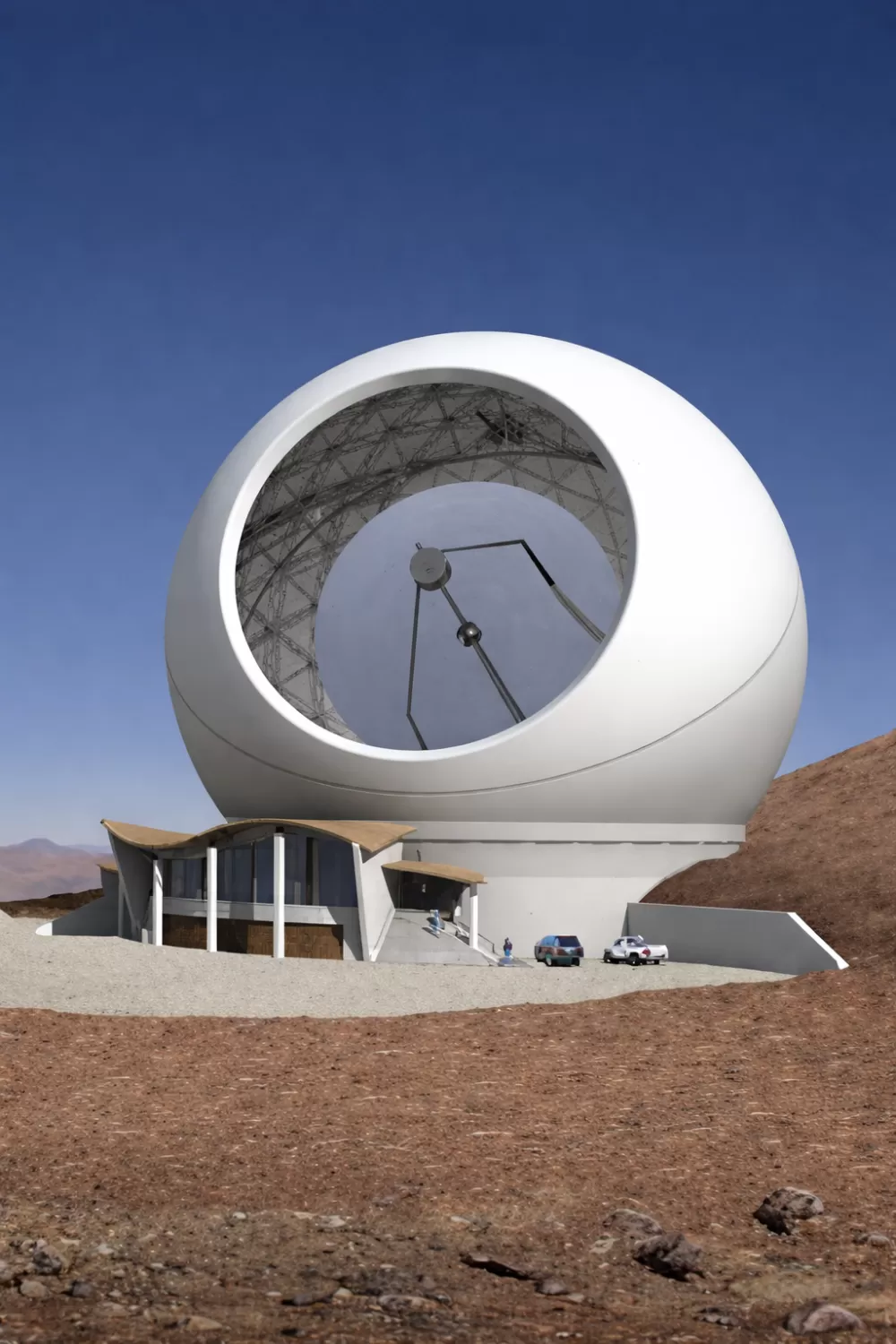
The James Clerk Maxwell Telescope: An Eye on Mauna Kea Unlocking Cosmic Secrets
Discover how the James Clerk Maxwell Telescope (JCMT) on Mauna Kea uses submillimeter astronomy to reveal the hidden processes of star formation, protoplanetary disks, and distant galaxies, offering an unparalleled glimpse into the cold, dusty universe.
Imagine standing at the very top of the world, or at least, a place that feels like it. The air is thin, crisp, and the sky above is an ink-black canvas, peppered with stars that seem almost close enough to touch. It’s in such a profoundly isolated, yet utterly perfect, environment that humanity has placed some of its most remarkable instruments – our eyes on the cosmos.
Perched atop the majestic volcanic peak of Mauna Kea in Hawaii, the James Clerk Maxwell Telescope, or JCMT as it's more commonly known, stands as a testament to our insatiable curiosity. At an elevation of over 13,000 feet, far above the majority of Earth's atmospheric water vapor, this incredible observatory offers an unparalleled vantage point. And trust me, that high-and-dry location isn't just for show; it's absolutely crucial for the unique kind of astronomy the JCMT performs.
Unlike traditional optical telescopes that gather visible light, or even radio telescopes tuned to much longer wavelengths, the JCMT is a submillimeter telescope. What does that mean, exactly? Well, it’s designed to detect electromagnetic radiation in a very specific range, right between infrared and microwaves. This might sound a bit technical, but its implications for understanding the universe are nothing short of revolutionary.
Think about those vast, opaque clouds of cosmic dust and gas that seem to block our view of so much in space. To an optical telescope, these are just dark, impenetrable barriers, obscuring whatever lies behind them. But here’s the magic: for the JCMT, these aren’t obstacles at all; they’re the very subjects of its most profound investigations. The submillimeter waves it detects can actually slice right through this obscuring cosmic veil, revealing the intricate, often violent, dance of molecules within.
This "x-ray vision" for the cold, dark universe allows astronomers to peer into the embryonic nurseries of stars, observing the faint glows of forming stellar bodies and the swirling disks of material that will, one day, coalesce into planets. It’s how we study the intricate processes of star formation, map vast molecular clouds, and even catch glimpses of distant, nascent galaxies from billions of years ago, their cold gas and dust telling tales of the universe’s earliest days. Without the JCMT and similar specialized instruments, our understanding of these fundamental cosmic processes would frankly be far less complete.
So, when we speak of a "new eye opening at the top of the world," it’s more than just a poetic flourish. It truly signifies the continuous, vital quest for knowledge that drives scientific exploration. The JCMT represents a persistent effort to push the boundaries of what we can observe and comprehend about our own cosmic origins and the breathtakingly complex tapestry of the universe. It's a powerful reminder that even in the seemingly empty vastness of space, there's always something new, something profound, waiting to be uncovered, provided we build the right tools and keep looking.
Editorial note: Nishadil may use AI assistance for news drafting and formatting. Readers can report issues from this page, and material corrections are reviewed under our editorial standards.













