Parwati Dutta’s Mahagami: Three Decades of Dance‑Driven Revival in Aurangabad
- Nishadil
- October 22, 2026
- 0 Comments
- 3 minutes read
- 7 Views
- Save
- Follow Topic
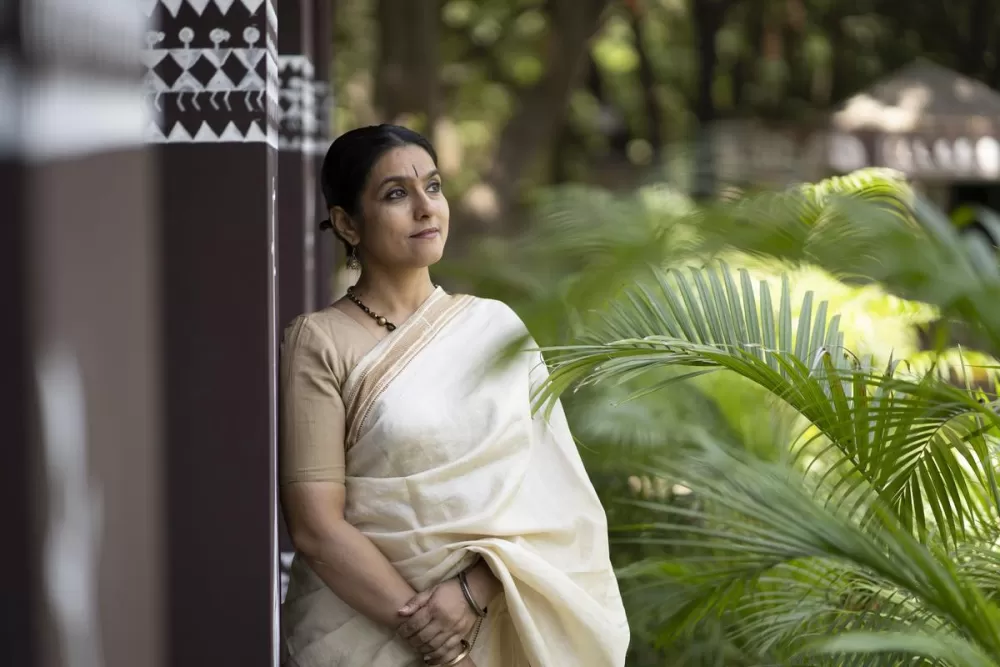
How Mahagami Gurukul turned Chhatrapati Sambhajinagar into a living hub for classical arts
From a quiet plot of land to a buzzing cultural campus, Parwati Dutta’s Mahagami Gurukul celebrates 30 years of nurturing Kathak, Odissi and more in Aurangabad.
It’s the kind of morning that starts with the sharp chirp of a sparrow, then, as if on cue, the soft clatter of ghungroos rolls across the courtyard. You’re not a morning person, but the sound pulls you out of bed – Mahagami Gurukul is waking up.
Founded in 1996 by dancer‑teacher Parwati Dutta, Mahagami is part of the Mahatma Gandhi Mission’s broader educational umbrella, yet it feels worlds apart from a typical school. Nestled in what was once a modest plot on the outskirts of Chhatrapati Sambhajinagar (formerly Aurangabad), the campus now spreads over lush lawns, red‑brick pathways and cottages whose walls are painted with whimsical Warli figures of dancers and musicians.
At the centre of it all stands a sprawling banyan tree, its roots daring to kiss the earth, a living reminder of the guru who helped plant it – the legendary Kathak maestro Pt. Birju Maharaj. Beneath its canopy sits a poised statue of Saraswati, the goddess of arts, serving both as a quiet altar and a gathering point for daily invocations before classes begin.
Parwati’s own journey reads like a quiet rebellion. Trained under the greats – Birju Maharaj for Kathak and Kelucharan Mohapatra for Odissi – she could have set up a studio in Mumbai or Delhi, where audiences are plentiful. Instead, she chose Aurangabad, a city then more known for its historic forts than for ballet shoes or tabla beats. “I wanted to bring the pulse of classical arts to a place that didn’t expect it,” she says, smiling.
What started as a single‑room teaching space soon grew into a full‑fledged gurukul. Students from nearby villages and distant towns flock to the campus, staying in the modest cottages, learning the intricate footwork of Kathak, the lyrical grace of Odissi, and even the nuances of Indian classical music and theatre. The curriculum is rigorous but warm, blending disciplined practice with the freedom to explore one’s own artistic voice.
In 2026 Mahagami marks its 30th year with the festival “Satata Trimsat”, a three‑day extravaganza that showcases alumni performances, workshops led by visiting maestros, and community events. The festival is not just a celebration; it’s a statement that the cultural fabric of Aurangabad has been irrevocably altered.
Beyond the dance floor, the Gurukul has become a catalyst for the town’s broader cultural revival. Local schools now organize field trips to watch performances; the municipal council funds a modest art gallery nearby; and even the city’s artisans have started collaborating on costumes and set designs, breathing fresh life into traditional crafts.
For Parwati, the real reward isn’t the accolades or the media coverage – it’s the moment a shy child, after months of stumbling through a basic chandan (hand clasp), finally masters a seamless turn and lights up with pride. “That’s the magic,” she whispers, eyes on the banyan’s gentle sway.
As the sun dips behind the ancient hills, the ghungroos’ echo softens, but the rhythm lingers. Mahagami continues to pulse, a testament to one woman’s belief that great art belongs everywhere, even in places that once seemed unlikely.
Editorial note: Nishadil may use AI assistance for news drafting and formatting. Readers can report issues from this page, and material corrections are reviewed under our editorial standards.