Nvidia's Bold Bet: De-Risking AI Chip Loans to Ignite a New Era for Smaller Cloud Innovators
- Nishadil
- September 30, 2026
- 0 Comments
- 4 minutes read
- 3 Views
- Save
- Follow Topic
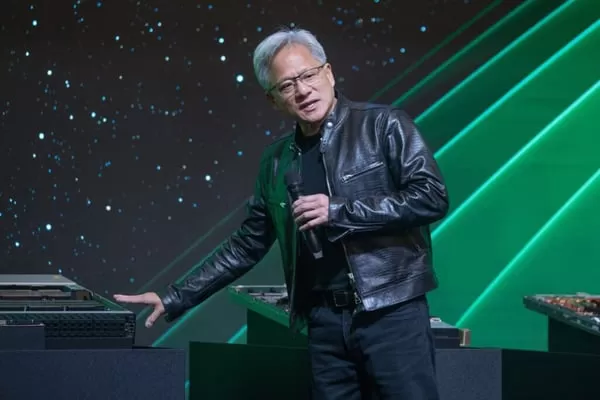
Jensen Huang's Latest Gambit: Nvidia Reportedly Taps Insurers to Unlock Billions in AI Compute for the 'Neoclouds'
Nvidia is reportedly in talks with insurance companies to de-risk loans for AI chips, aiming to make crucial GPU infrastructure more accessible and affordable for smaller cloud operators beyond the tech giants, a strategic move spearheaded by CEO Jensen Huang.
It seems Nvidia, under the visionary leadership of CEO Jensen Huang, is always looking for the next big move, isn't it? And their latest rumored maneuver is truly fascinating. Reports suggest that the chip giant is now engaging with insurance companies, exploring ways to essentially "de-risk" loans that are backed by its incredibly powerful, and equally pricey, AI chips. Think of it as a strategic hand extended to those outside the traditional Big Tech orbit.
Why this pivot, you ask? Well, it’s all about leveling the playing field, making cutting-edge GPU infrastructure more accessible to what we might call the "neoclouds"—those smaller, nimble cloud operators who are often squeezed out by the sheer financial muscle of the industry titans. Nvidia’s ambition here is quite clear: they want to broaden the adoption of their technology, ensuring that innovation isn't solely confined to the biggest players with the deepest pockets.
The core idea, still in preliminary discussion stages mind you, involves insurers stepping in to cover lenders should one of these neoclouds unfortunately default on their loan. The twist? This coverage would activate if the pledged Nvidia chips—the very collateral for the loan—can't be resold to cover the outstanding debt. To get these insurers comfortable with such a proposition, Nvidia has apparently been sharing a treasure trove of data, including how their chips depreciate over time and projections for future compute prices. It's a careful dance, building trust and demonstrating the long-term value of their hardware.
This isn't just a sudden whim, though. It’s a continuation of Jensen Huang’s grand vision. He's been tirelessly pushing to transform compute into an "investable asset class," a fundamental pillar of the modern economy. We saw glimpses of this back in August when Nvidia forged powerful alliances with financial heavyweights like Apollo, BlackRock, Blackstone, and Goldman Sachs, among others. Together, they aimed to mobilize over half a trillion dollars in third-party capital specifically for AI infrastructure. This insurance discussion is just another layer, another creative financing mechanism to unlock those billions for a wider array of players.
And let's not forget, Nvidia isn't new to putting its weight behind its partners. An SEC filing from July revealed the company has a whopping $36 billion in cloud-service commitments, typically stretching over six years, designed to support its AI-cloud partners. Then there's the truly staggering pledge of up to $105 billion in guarantees for an Ohio data center project leased by an OpenAI affiliate, covering land, power, and even the shell buildout. Clearly, Nvidia is deeply invested in fostering this ecosystem.
Now, it wouldn't be a sophisticated financial play without some inherent challenges, right? One significant hurdle, often raised by skeptics, is the rapid evolution of GPU technology. Chips improve so quickly that their collateral value could, theoretically, diminish rather fast. However, Nvidia counters this concern with a strong argument: their CUDA software platform, they contend, significantly extends the productive life of their hardware. Moreover, they emphasize that their AI infrastructure is "uniquely productive, durable and fungible," implying a robust secondary market potential even amidst technological shifts.
While these discussions are still in their nascent stages and there’s no guarantee they’ll materialize into concrete deals, the very fact that Nvidia is exploring such avenues speaks volumes. It underscores a strategic imperative to diversify its customer base beyond the established tech behemoths and democratize access to the computational power that is fueling the AI revolution. If successful, this bold initiative could indeed unlock billions, paving the way for a more diverse and dynamic AI landscape for years to come.
Editorial note: Nishadil may use AI assistance for news drafting and formatting. Readers can report issues from this page, and material corrections are reviewed under our editorial standards.