Nuclear Brinkmanship: US and Iran Talks Collapse Over Lengthy Freeze Demands
- Nishadil
- April 15, 2026
- 0 Comments
- 3 minutes read
- 42 Views
- Save
- Follow Topic
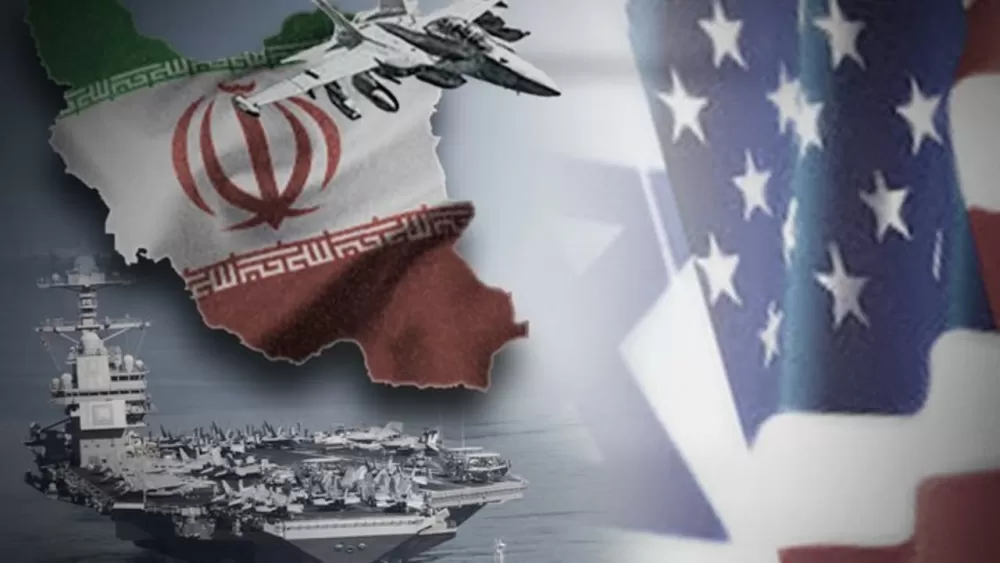
US-Iran Nuclear Talks Crumble Amid Deep Disagreement on Freeze Duration
Negotiations between the US and Iran to revive the 2015 nuclear deal have collapsed. The critical sticking point proved to be the duration of a nuclear freeze, with Washington demanding 20 years and Tehran offering just five, leaving the path to de-escalation uncertain.
Well, here we are again. Another round of critical negotiations aimed at reviving the landmark 2015 nuclear deal between the United States and Iran has, sadly, hit a brick wall and ultimately collapsed. It’s a development that, frankly, leaves many scratching their heads and feeling a deep sense of frustration, especially given the high stakes involved for regional stability and global non-proliferation efforts.
At the heart of this most recent breakdown, which feels almost like déjà vu for those who’ve followed these complex diplomatic dance-offs, was a fundamental disagreement over how long Iran's nuclear activities should be constrained. Washington, ever keen on preventing Tehran from developing a nuclear weapon – and let’s be honest, that’s the underlying fear – was pushing for a comprehensive, long-term freeze on Iran’s program, specifically demanding a commitment of two decades. That’s a significant chunk of time, twenty years, designed to offer maximum assurance.
Iran, however, saw things very, very differently. From their perspective, a 20-year freeze felt less like a temporary measure and more like a permanent curtailment of their sovereign rights. They countered with an offer of just five years, arguing that such a period would demonstrate good faith while still allowing them future flexibility, particularly as their economy desperately needs the relief from crippling sanctions. It’s a classic standoff, really: one side wants maximum security, the other demands respect for its sovereignty and immediate economic uplift.
The 2015 Joint Comprehensive Plan of Action, or JCPOA as it's often called, was a meticulously crafted agreement designed to limit Iran’s nuclear program in exchange for sanctions relief. Its unraveling began when the previous U.S. administration unilaterally withdrew from it in 2018, reimposing a raft of harsh penalties. Since then, Iran has steadily escalated its nuclear activities, enriching uranium to higher purities and installing advanced centrifuges, all while maintaining it’s for peaceful purposes. Reviving the deal was supposed to roll back these advancements, but alas, that path now seems more treacherous than ever.
So, what does this collapse mean for everyone? Well, it essentially means a continuation of the status quo – sanctions remain firmly in place against Iran, their nuclear program continues its trajectory, and the already simmering tensions in the Middle East will likely only intensify. The window for a diplomatic solution, which many hoped would provide a stable framework, appears to be slamming shut, or at least narrowing considerably. It’s a moment of significant disappointment for proponents of diplomacy and a worrying sign for international security.
Looking ahead, the road ahead seems fraught with uncertainty. Without a diplomatic pathway, the risks of miscalculation or escalation in the region grow substantially. Both sides are now left to weigh their next moves, with the specter of continued confrontation looming large. One can only hope that, despite this latest setback, channels for communication remain open, and perhaps, just perhaps, a less rigid approach might emerge down the line. But for now, the chasm between their positions seems simply too wide to bridge.
- India
- News
- Crime
- Us
- CrimeNews
- Iran
- Washington
- InternationalSecurity
- MiddleEastTensions
- Tehran
- StraitOfHormuz
- Jcpoa
- IranNuclearProgram
- NonProliferation
- IranSanctions
- NuclearNegotiations
- UsIranTalks
- HormuzCrisis
- HormuzBlockade
- 20YearNuclearFreeze
- IranOffers5Years
- 20YearUraniumEnrichmentFreeze
- NuclearFreeze
- DiplomaticCollapse
Editorial note: Nishadil may use AI assistance for news drafting and formatting. Readers can report issues from this page, and material corrections are reviewed under our editorial standards.