Muzaffarnagar: India's Sweetheart of Jaggery – A Deep Dive into its Golden Legacy
- Nishadil
- October 24, 2026
- 0 Comments
- 4 minutes read
- 6 Views
- Save
- Follow Topic
Muzaffarnagar: The Jaggery Capital with a Global Sweet Tooth
Discover Muzaffarnagar, India's undisputed jaggery capital, home to a market often called the world's largest. Explore its recent GI tag, staggering economic impact, traditional production, and ambitious global outreach.
Nestled in the heartland of Uttar Pradesh, a state famously dubbed the "Sugar Bowl of India," lies a city with a truly unique claim to fame: Muzaffarnagar. It's not just a city, you see; it's practically synonymous with 'gur,' or jaggery, a traditional sweetener that’s been a staple in Indian kitchens for centuries. Indeed, Muzaffarnagar isn't merely a significant player in the jaggery world; it proudly holds the title of India's Jaggery Capital.
But the story gets even sweeter, and much, much bigger. Muzaffarnagar is home to a jaggery market that's often lauded as the world's largest. While some sources might more modestly, yet still impressively, refer to it as Asia's or certainly India's preeminent one, the sheer scale of trade and production here is simply mind-boggling. Imagine, if you will, a place where the air itself carries the sweet, earthy aroma of freshly processed sugarcane, a place buzzing with the vibrant energy of a colossal marketplace dedicated almost entirely to this golden-brown delicacy.
This sweet legacy received a monumental boost recently. On March 31, 2023, "Muzaffarnagar Gur (Jaggery)" officially secured a Geographical Indication (GI) tag. This isn't just a fancy label; it's a powerful recognition, akin to a stamp of authenticity, acknowledging the unique quality and origin of jaggery produced in this specific region. The application for this prestigious tag, filed back in December 2020 by the Haritzone Farmers Producer Company Limited, based right there in Muzaffarnagar, truly cemented the region's place on the global map. Valid until December 1, 2030, this GI status covers jaggery manufactured not just in Muzaffarnagar, but also in the surrounding districts of Baghpat, Shamli, Meerut, and Bijnor – a true regional powerhouse of gur production.
Now, let's talk numbers, because they truly paint a picture of Muzaffarnagar's economic heartbeat. The district's annual jaggery trade alone is estimated to be a staggering Rs 4,500 crore. To put that into perspective, Muzaffarnagar is responsible for a whopping 20% of India's total jaggery production! During the peak sugarcane crushing season, the region churns out nearly 80,000 bags of jaggery every single day. It’s truly a testament to the dedication and hard work of the local community. What's more, the area is famous for its incredible diversity, boasting about 118 distinct varieties of jaggery, each with its own subtle flavor profile and texture.
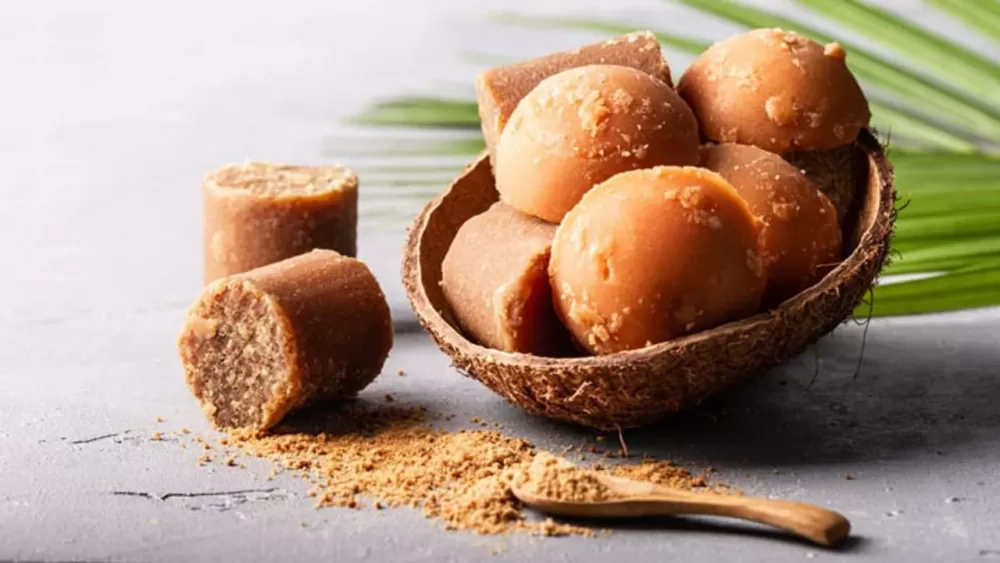
Behind this colossal output lies a blend of industrial efficiency and time-honored tradition. While the district houses approximately eight sugar mills, the soul of Muzaffarnagar's jaggery production often resides in its more than 3,500 traditional jaggery-processing units, known locally as 'kolhus.' These kolhus, though perhaps not as large-scale as the mills, are where much of the artisanal charm and unique varieties truly come to life. The process itself is wonderfully simple, yet requires immense skill: fresh sugarcane juice is meticulously filtered, then boiled in immense open pans until the water gracefully evaporates, leaving behind a rich, thick syrup. This syrupy goodness is then allowed to cool and carefully poured into molds, solidifying into those familiar, mineral-rich blocks of jaggery we all know and love.
This isn't just about local consumption, mind you. Muzaffarnagar jaggery is making its mark globally, too. It’s proudly featured under Uttar Pradesh's ambitious "One District One Product" (ODOP) initiative, which aims to promote specialized goods from various regions. And the world is taking notice! In March 2025, a significant 30 metric tonnes of this GI-tagged Muzaffarnagar jaggery made its way to Bangladesh, thanks to a farmer-producer organization-led initiative. Such achievements are a collaborative effort, of course; the GI status itself was secured with crucial support from both the National Bank for Agriculture and Rural Development (NABARD) and the Uttar Pradesh Department of Science and Technology.
Ultimately, Muzaffarnagar's journey from a regional hub to a globally recognized jaggery powerhouse is a compelling story of heritage, innovation, and community spirit. It's a reminder that sometimes, the sweetest successes are born from deep roots in tradition, carefully nurtured by modern vision. So, the next time you reach for that piece of jaggery, take a moment to appreciate the incredible journey it likely took from the bustling, sweet heart of Muzaffarnagar.
Editorial note: Nishadil may use AI assistance for news drafting and formatting. Readers can report issues from this page, and material corrections are reviewed under our editorial standards.