Judge Blocks Phone Search of Holdout Juror in Lindsay Clancy Murder Trial
- Nishadil
- October 23, 2026
- 0 Comments
- 2 minutes read
- 8 Views
- Save
- Follow Topic
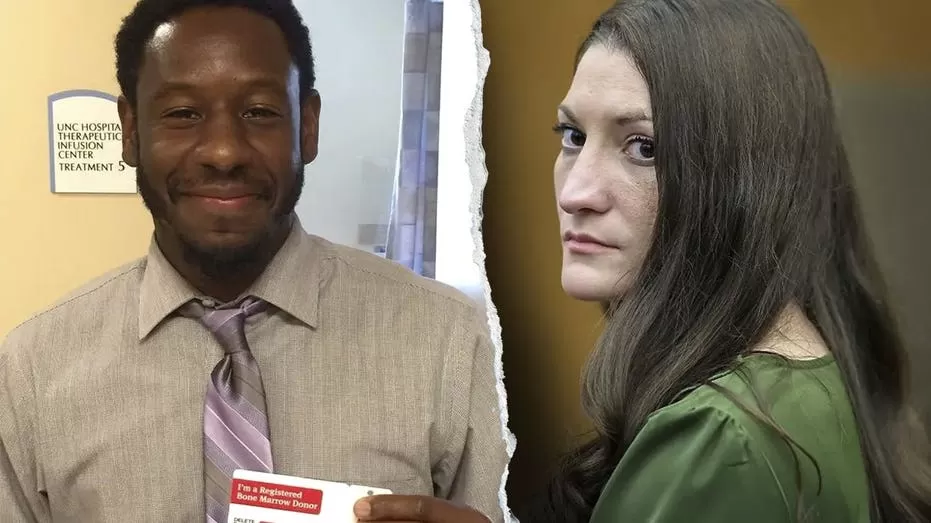
Massachusetts judge says lone juror who voted for conviction will not have to hand over his phone or answer defense questions
In the high‑profile Lindsay Clancy case, a judge has denied the defense’s request to inspect the phone of the single juror who voted to convict, keeping his privacy intact amid a mistrial.
When the jury in the Lindsay Clancy murder trial emerged with an 11‑to‑1 split, the lone juror who had stuck with a guilty verdict suddenly found himself in the spotlight. His name, Michael Desronvil, was already being tossed around in news feeds, and now his personal phone became the next point of contention.
Defense counsel argued that Desronvil’s cell could hold clues—maybe texts, maybe notes—that would explain why he broke ranks with the other ten jurors. The argument, however, ran into a roadblock on Wednesday when Massachusetts Judge William S. ruled that the juror would not be compelled to turn over his device, nor would he have to sit for a formal inquiry from the defense.
“Jurors are entitled to a degree of privacy that is essential to the deliberative process,” the judge said, echoing a principle that courts have guarded for decades. He added that forcing a juror to expose his personal communications could chill future jurors’ willingness to serve, a concern that seemed especially relevant given the intense media glare surrounding the case.
Desronvil’s lone vote for conviction had already drawn a flurry of harassment, both online and at his Massachusetts home, where reporters and curious onlookers gathered for hours after the verdict was announced. The defense’s push for a phone review was seen by many as another layer of intrusion.
While the judge’s decision doesn’t end the legal battles surrounding the trial—there’s still the question of whether a new trial will be called—the ruling does protect Desronvil from what could have become an invasive investigation into his private life.
Legal experts note that this outcome is consistent with prior rulings that protect juror anonymity, especially when a juror’s stance deviates sharply from the majority. It also underscores the delicate balance courts must strike between a defendant’s right to a fair trial and a juror’s right to privacy.
For now, Desronvil can breathe a little easier. The phone stays in his pocket, and the courtroom drama shifts back to the broader questions of evidence, motive, and whether the case will see another day in front of a fresh jury.
Editorial note: Nishadil may use AI assistance for news drafting and formatting. Readers can report issues from this page, and material corrections are reviewed under our editorial standards.