Inside the Gritty New ‘Sense and Sensibility’ – How a Classic Got a Fresh, Grounded Spin
- Nishadil
- October 23, 2026
- 0 Comments
- 3 minutes read
- 10 Views
- Save
- Follow Topic
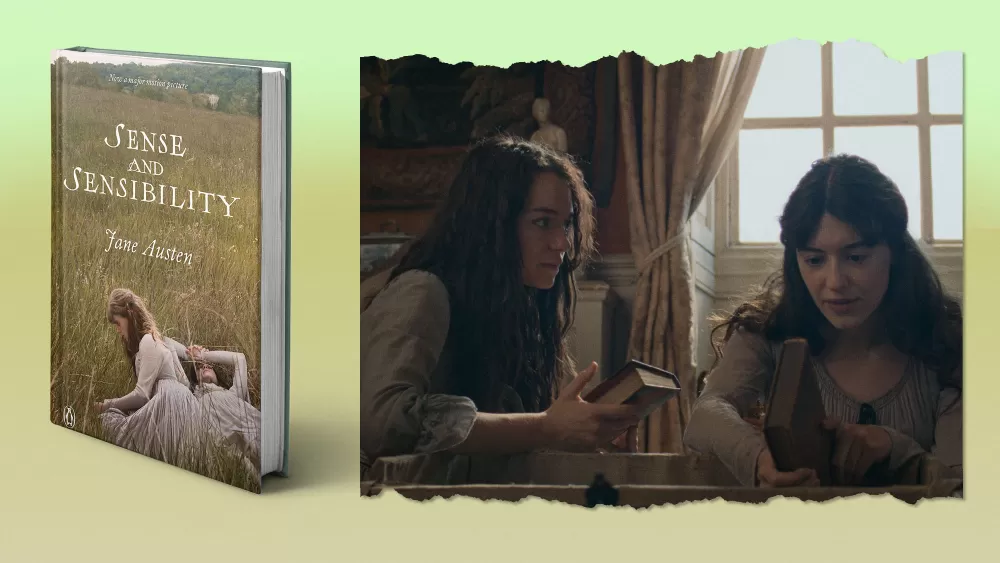
From Feathered Tiaras to Candle‑Lit Rooms: The Making of Georgia Oakley’s Gritty Jane Austen Adaptation
A behind‑the‑scenes look at the creative choices that turned Austen’s genteel world into a lived‑in, moody portrait, featuring interviews with the screenwriter, director, and design team.
When the lights go down on the new Sense and Sensibility, you won’t hear the clink of crystal chandeliers. Instead, a handful of candles flicker over a modest drawing‑room, casting soft shadows on dresses that look as if they’ve been slept in. It’s a visual cue that the Dashwood sisters have been stripped of their former comforts, and it’s exactly the atmosphere that director Georgia Oakley and her collaborators fought hard to create.
Oakley’s vision was simple yet daring: make the story feel lived‑in, almost documentary‑like, rather than a glossy period piece. “We wanted the world to breathe,” cinematographer Arnaud Potier told The Hollywood Reporter. “The rooms are smaller, the fabrics a little wrinkled, the hem of Marianne’s dress stained by berries. It’s an honest look at a family coping with loss.”
Screenwriter Diana Reid, herself a lifelong Austen fan, approached the material with what she calls “respect rather than reverence.” She reread the novel and watched the beloved 1995 Ang Lee version, asking herself whether she could bring anything new to the table. “At first I thought I had nothing to add,” Reid admits. “But the more I dug, the more I realized the sisters’ bond could be the true love story, not just the romances around them.”
That shift meant tweaking characters to feel fresher. Colonel Brandon, played by Herbert Nordrum, is younger and less paternal, while Edward Ferrars (George MacKay) now shares Elinor’s sense of duty, making their connection feel more reciprocal. “It’s about balancing the original voices with today’s sensibilities,” Reid explains.
Costume designer Grace Snell went all‑in on the tactile. Instead of pristine silk, the gowns are deliberately unpressed, the gold and silver dresses for Marianne and Elinor bearing signs of everyday wear. “We wanted the audience to see the sisters’ hardships in the very fibers of their clothing,” Snell says.
Production designer Francesca Di Mottola faced the challenge of shrinking the Dashwood estate without losing its period charm. She turned a grand manor into a cramped cottage, forcing the family to give up rooms for guests – a visual metaphor for their reduced circumstances. “The set had to feel intimate, almost claustrophobic, so you could feel the pressure the sisters are under,” Di Mottola notes.
All these choices converge in a film that feels both timeless and immediate. Oakley’s framing keeps the sisters’ youthful yearning front and center, while the moody lighting and textured design anchor the story in a reality that modern viewers can recognize. The result is a fresh, gritty take on a beloved classic that invites a new generation to fall in love with Austen’s world all over again.
Editorial note: Nishadil may use AI assistance for news drafting and formatting. Readers can report issues from this page, and material corrections are reviewed under our editorial standards.