
Howard Marks on Private Credit: Why Systemic Risk Fears Are Likely Overblown
- Nishadil
- April 21, 2026
- 0 Comments
- 4 minutes read
- 42 Views
- Save
- Follow Topic
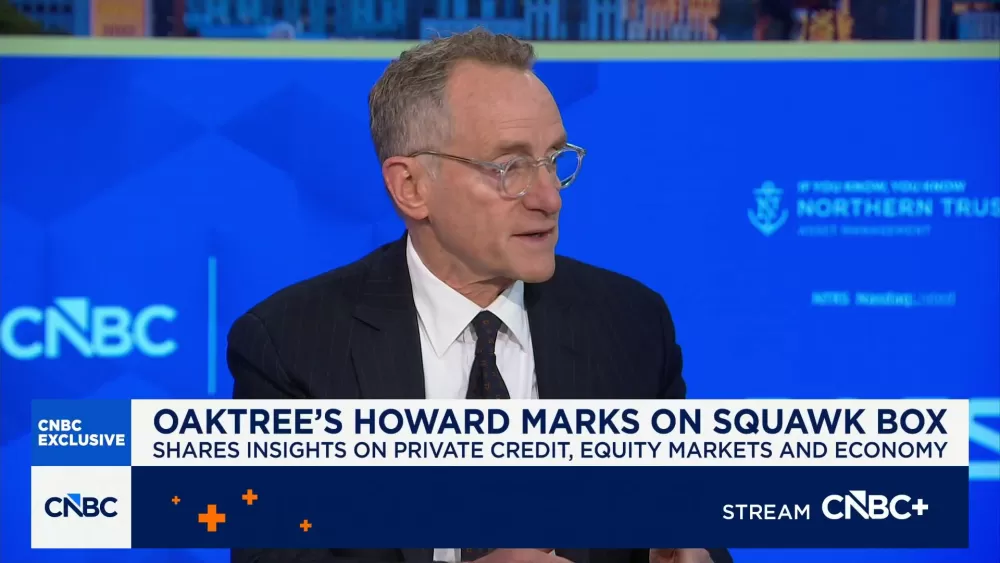
Oaktree's Howard Marks: No Systemic Problem in Private Credit – Understanding the Nuances is Key
Legendary investor Howard Marks provides a much-needed perspective on the booming private credit market, dispelling concerns of a systemic meltdown and emphasizing its unique, robust structure.
Alright, let's talk about private credit. It's a segment of the financial world that's grown absolutely huge over the past decade or so, and naturally, with that kind of growth, comes a fair bit of hand-wringing and worry. Are we building up another bubble? Is this the next shoe to drop, potentially causing widespread financial havoc? These are the kinds of questions that get investors, regulators, and frankly, a lot of folks in finance, a bit nervous.
But when a seasoned observer like Howard Marks, co-chairman of Oaktree Capital Management – a man who has quite literally written the book (or several) on understanding market cycles and risk – steps forward with a clear message, it's worth listening intently. His take, from what we gather, is reassuring: there isn't, in his view, a systemic problem brewing in private credit. That's a pretty bold statement, isn't it? Especially when you hear whispers of 'shadow banking' and opaque dealings.
So, what exactly is he getting at? Well, for Marks, it really boils down to the fundamental structure of private credit. Unlike the public debt markets, where bonds trade freely and often react wildly to news or sentiment shifts, private credit is, as the name suggests, private. It involves direct lending relationships between an institution (like Oaktree) and a company that needs financing. This isn't some faceless, anonymous transaction; it’s typically a deeply negotiated deal, often with bespoke terms tailored to the specific borrower.
Think about it this way: when traditional banks pulled back from certain types of lending after the financial crisis, private credit funds stepped in. They provide crucial capital to mid-sized companies, or even larger ones, that might not have easy access to public markets or simply prefer the flexibility and speed that private lenders can offer. These lenders aren't just throwing money around willy-nilly; they're doing rigorous, often excruciatingly detailed, due diligence. They're intimately involved in understanding the borrower's business model, cash flow, and overall prospects, frequently demanding more protective covenants than you'd typically find in the public syndicated loan market.
Marks often emphasizes that the illiquidity inherent in private credit is actually a feature, not a bug, for those who understand its true nature. Investors are compensated for locking up their capital for longer periods with higher yields. And crucially, because there isn't a daily mark-to-market trading environment, you don't get the kind of panic-driven, domino-effect sell-offs that can cascade through public markets. Sure, if a company defaults, that's a problem for the specific lender involved, and it can sting, but it doesn't necessarily trigger a widespread crisis across the entire financial system in the same way a public bond market freeze might.
Now, to be clear, Marks isn't suggesting private credit is risk-free – far from it. He'd be the first to tell you that shrewd risk management is paramount in any investment endeavor. There will absolutely be individual bad deals, and some less-savvy players might make poor decisions, leading to losses. But those are isolated incidents, part of the normal course of business in any lending environment. They don't, in his expert opinion, pose a fundamental threat to the stability of the entire financial system. It’s a vital distinction between idiosyncratic risk (company-specific problems) and systemic risk (market-wide contagion).
Ultimately, Marks' perspective serves as a powerful reminder: don't confuse individual pockets of risk, or even widespread individual missteps, with an impending systemic collapse. Private credit, when managed by experienced, disciplined firms, fills a vital, economically productive role. The key, as always in investing, is discernment – knowing who you're lending to, what the terms are, and thoroughly understanding the risks you're taking on. It’s about being thoughtful, not merely fearful, and appreciating the intricate nuances of a complex, yet essential, corner of finance.
- Health
- UnitedStatesOfAmerica
- News
- BusinessNews
- HealthNews
- Economy
- Markets
- Videos
- InvestmentStrategy
- FinancialMarkets
- RiskManagement
- Cnbc
- Neutral
- BreakingNewsMarkets
- PrivateCredit
- BreakingNewsEconomy
- CnbcTv
- Credit
- DirectLending
- Illiquidity
- SystemicRisk
- OaktreeCapital
- HowardMarks
- SquawkBoxUS
- CreditCycles
Editorial note: Nishadil may use AI assistance for news drafting and formatting. Readers can report issues from this page, and material corrections are reviewed under our editorial standards.









