
Hormuz at a Crossroads: US and Iran Poised for Urgent Talks
- Nishadil
- September 28, 2026
- 0 Comments
- 3 minutes read
- 2 Views
- Save
- Follow Topic
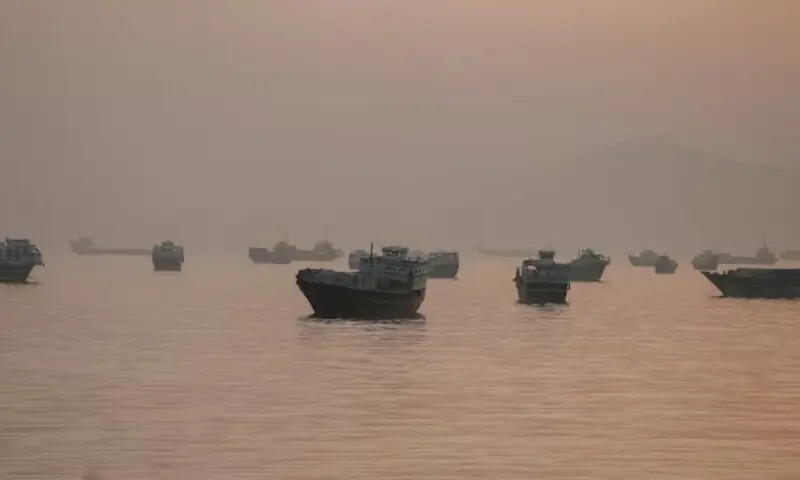
After Weeks of High Stakes, Washington and Tehran Signal Readiness for Direct Diplomacy Over Vital Strait
Despite initial rejections and escalating tensions, both US and Iranian officials are hinting at face-to-face discussions within days, aiming to de-escalate the volatile situation surrounding the Strait of Hormuz and potentially revive broader nuclear diplomacy.
In a surprising, yet perhaps inevitable, turn of events, the United States and Iran appear to be on the cusp of resuming direct diplomatic talks. After weeks of escalating tensions and thinly veiled threats concerning the critical Strait of Hormuz, President Donald Trump himself indicated late this past week that discussions could begin "this week" or "over the next few days." It's a significant development, especially considering the initial frosty reception to Iran's peace overtures.
The push for dialogue gained considerable momentum during the UN General Assembly in New York. On September 16, 2026, Iran, ever the diplomat in such forums, presented a detailed peace proposal to the U.S. through various mediators. Then, just a few days later, on September 22, a senior Iranian official publicly stated a readiness to reopen the Strait of Hormuz within a mere seven days. The catch, of course, was a list of preconditions: the U.S. would need to ease its naval blockade on Iranian ports, lift debilitating oil sanctions, and observe a broader ceasefire across the Middle East, specifically mentioning Lebanon. Iranian Foreign Minister Abbas Araghchi further elaborated on these terms during a private gathering on September 25, emphasizing their delegation's full authority to reignite diplomacy.
President Trump's willingness to engage marks a crucial shift. While he initially rejected an Iranian proposal, his recent comments, coupled with White House statements about "positive and constructive conversations with mediators," paint a picture of quiet, behind-the-scenes progress. It seems that backchannels, particularly through nations like Qatar, have been working overtime to bridge the divide. Steve Witkoff, a U.S. envoy, has reportedly been instrumental in navigating these complex initial steps. It's a delicate dance, to be sure, with both sides needing to find a path that saves face while addressing genuine security and economic concerns.
However, the path forward isn't without its shadows of doubt. Many remember a "June understanding" that crumbled after Iran allegedly resumed attacks on shipping, leading some to question Iran's true intentions. Is this a genuine pursuit of peace, or merely a tactic to buy time and facilitate oil sales? Trita Parsi, a respected voice from the Quincy Institute, has highlighted these very concerns. Indeed, a confluence of factors seems to be at play, from soaring oil prices impacting global markets to the looming November midterm elections in the U.S., which might be subtly nudging President Trump towards a more conciliatory stance. Yet, regional skepticism persists, with Saudi Arabia, for instance, expressing reservations about the sincerity of this latest diplomatic push.
As the diplomatic gears slowly turn, the world watches with bated breath. The Strait of Hormuz remains a critical artery for global oil shipments, and stability in the Middle East hangs in a precarious balance. Whether these anticipated talks will yield a lasting solution or merely a temporary reprieve remains to be seen. But for now, the mere prospect of dialogue between two long-standing adversaries offers a flicker of hope in an otherwise tense geopolitical landscape.
Editorial note: Nishadil may use AI assistance for news drafting and formatting. Readers can report issues from this page, and material corrections are reviewed under our editorial standards.










