Global Cardiologists Converge in Chennai to Tackle Angioplasty Complications
- Nishadil
- October 21, 2026
- 0 Comments
- 2 minutes read
- 9 Views
- Save
- Follow Topic
Around 350 heart specialists share insights, live cases and hands‑on training at the Asia Interventional Complications Course
The third edition of the Asia Interventional Complications Course (AICC 3.0 2026) brought together doctors from India, neighboring nations and abroad to discuss how to prevent and manage tricky complications in modern cardiac procedures.
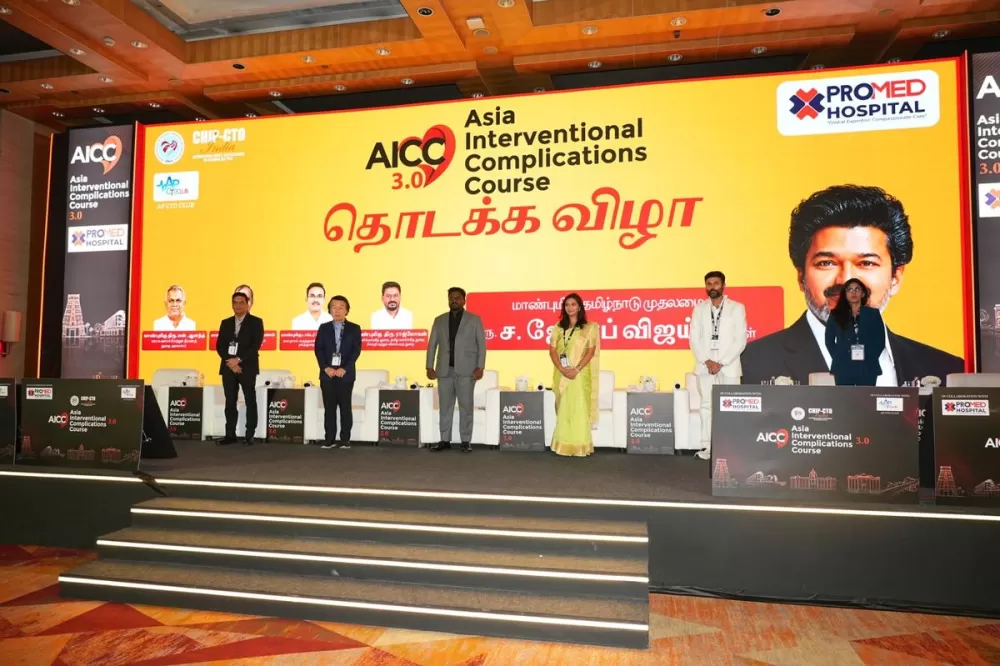
About three‑hundred‑and‑fifty cardiologists – a mix of seasoned Indian experts and newcomers from neighboring countries – gathered in Chennai on October 17‑18 for the third edition of the Asia Interventional Complications Course, popularly dubbed AICC 3.0 2026. The buzz in the conference halls was palpable; everyone seemed eager to unpack the knotty challenges that pop up during high‑stakes heart procedures.
The two‑day event kicked off with a ribbon‑cutting ceremony led by Tamil Nadu’s School Education Minister Rajmohan, who was joined by Spoorthi Arun, Managing Director of Promed Hospital, and Arun Kalyanasundaram, the hospital’s Chief of Cardiology and the conference’s organising chairman. Their opening remarks were brief, but they set a collaborative tone that lasted throughout the meet.
What made this gathering stand out was the live‑streamed showcase of real‑time procedures from as far away as Canada, Saudi Arabia and the United Kingdom. Watching a coronary angioplasty unfold on a screen, with the operators narrating every move, gave participants a front‑row seat to the kind of split‑second decisions that can mean the difference between success and complication.
Beyond the live cases, the agenda was packed with expert panels digging into the nitty‑gritty of procedural mishaps. Sessions covered everything from vascular access problems and heavily calcified arteries to the dreaded coronary perforations. There were deep dives into advanced interventions like transcatheter aortic valve replacement (TAVR) and the emergency management of cardiogenic shock – topics that, frankly, many of the attendees said they rarely get to discuss in such detail.
Hands‑on learning was another pillar of the conference. In a specially set‑up “Training Village,” delegates rolled up their sleeves and practiced with the latest cardiac devices under the watchful eyes of seasoned mentors. The feel‑of‑the‑material, the resistance of the catheters, the subtle cues – these are things you simply can’t grasp from a PowerPoint slide.
Perhaps the most unexpected, yet profoundly important, discussion centred on the human side of adverse events. Speakers opened up about the emotional weight doctors carry when complications arise, and they stressed the need for clear, compassionate communication with patients’ families. It was a reminder that medicine is as much about empathy as it is about expertise.
By the time the conference wrapped up on October 18, participants left with a richer toolbox of techniques, a deeper appreciation of cross‑border collaboration, and, importantly, a renewed commitment to patient‑centred care even when things go off‑script.
Editorial note: Nishadil may use AI assistance for news drafting and formatting. Readers can report issues from this page, and material corrections are reviewed under our editorial standards.