Cristian Mungiu’s ‘Fjord’ Ignites Debate at Telluride
- Nishadil
- September 07, 2026
- 0 Comments
- 4 minutes read
- 30 Views
- Save
- Follow Topic

The Romanian auteur urges viewers to sit down, watch the film, and then argue
At the Telluride Film Festival, Cristian Mungiu reflects on the swirling social‑media firestorm surrounding his Cannes‑winning drama Fjord and why the debate matters.
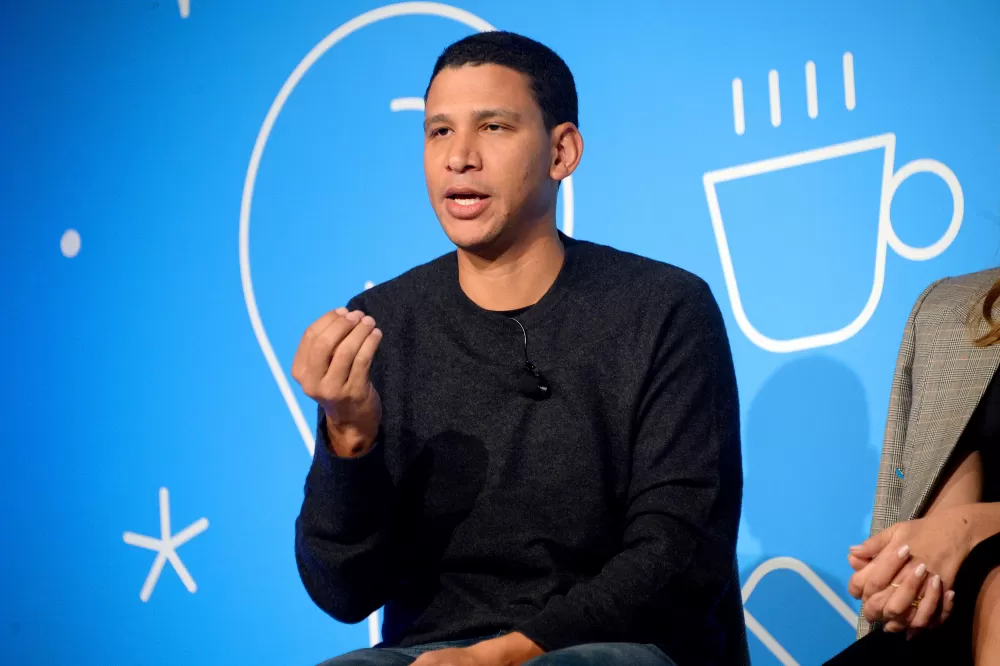
When the sun slipped behind the San Miguel River in the Colorado Rockies, a modest bench became the stage for a surprisingly candid chat. Romanian director Cristian Mungiu, fresh off a Palme d’Or win at Cannes, was in town for the Telluride Film Festival – his first U.S. appearance in a decade, the last being the screening of Graduation back in 2013.
Since the early 2000s Mungiu has been the quiet powerhouse of European cinema: three Cannes prizes, a career‑defining masterpiece in 4 Months, 3 Weeks and 2 Days, and an unflinching eye for the cracks in modern societies. Yet the Academy has, until now, left his work on the sidelines. That seems to be shifting, thanks in large part to his latest offering, Fjord, a film that lands squarely in the middle of today’s cultural cross‑currents.
Fjord follows a devout Romanian family that relocates to Norway, only to find their traditional values run head‑on into a progressive Scandinavian welfare state. The story is populated by two Oscar‑nominated leads – Sebastian Stan and Renate Reinsve – who play parents wrestling with identity, belonging, and the uncanny feeling that everything they once believed is being questioned.
It’s a story that, unsurprisingly, lit up social media the moment the Cannes jury lifted the palm. Before most viewers had even booked a ticket, heated threads exploded, with people accusing the film of either championing or condemning conservatism. Mungiu, leaning back on the bench, smiled and shrugged. “No, I’m not nervous,” he told me, his voice as steady as a metronome. “People start arguing before they watch. That’s exactly what the film is about – the argument itself.”
He went on to explain that his intention was never to hand the audience a moral verdict. “I try to set a stage where two sides can speak, where you hear the nuance, and then you decide for yourself,” he said. “If you come in with a ready‑made opinion, you miss the point.” The director’s candidness felt almost rebellious in a climate where many creators feel pressured to take a clear political stance.
Neon, the U.S. distributor that shepherded the film from Cannes to the Oscar race, has positioned Fjord as a contender for the winter awards season. Romania, too, has staked its claim, naming the film its official Oscar submission. The buzz is real, but Mungiu is careful not to equate buzz with endorsement. “The conversation is the real prize,” he mused, “because it means the film is getting into people’s heads.”
During our talk, he reflected on the evolution of cinema over the past two decades. “There was a time when a film had to be clearly pro‑something or anti‑something,” he noted. “Now, being neutral or presenting multiple perspectives feels like a sin. I think we’ve lost a little freedom to just ask questions without telling you what the answer should be.”
For anyone who’s followed Mungiu’s career, the message is familiar: art should provoke, not preach. And for a director whose work has long been praised for its hyper‑realism, the reception of Fjord feels like a fitting, if noisy, affirmation that stories about ordinary people caught in the whirl of larger forces still matter.
As the festival’s crowds thinned and the mountain air grew crisp, Mungiu stood, thanked the staff, and headed back toward the festival marquee. He left behind a simple, human reminder: watch first, argue later. In an era where opinions travel faster than movies, that might just be the most revolutionary thing he can say.
Editorial note: Nishadil may use AI assistance for news drafting and formatting. Readers can report issues from this page, and material corrections are reviewed under our editorial standards.