Calm on the Horizon? Why Economists See India's Food Inflation Holding Steady
- Nishadil
- April 22, 2026
- 0 Comments
- 2 minutes read
- 25 Views
- Save
- Follow Topic
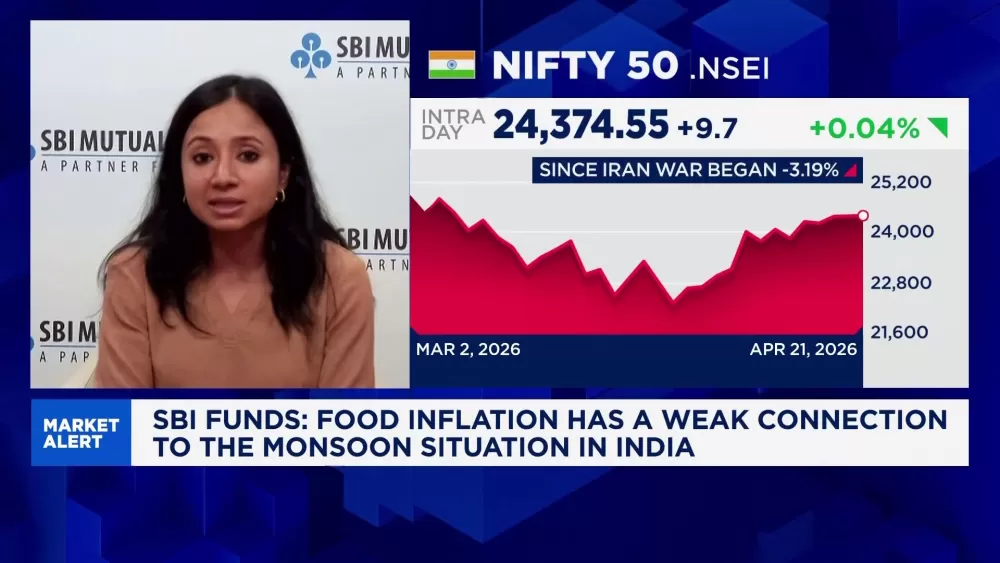
A Breath of Relief? Experts Weigh In on India's Food Price Stability
Leading economists are casting a watchful yet optimistic eye on India's food inflation outlook, suggesting that a significant spike in prices appears unlikely in the near future.
It’s a topic that keeps everyone on edge, isn’t it? Food prices. We all feel it directly in our wallets, especially in a country as vast and diverse as India. So, when a leading economist steps forward to suggest that India’s food inflation is actually quite unlikely to spike, it’s certainly a moment to pay attention. This isn't just wishful thinking; it’s an outlook grounded in a careful assessment of various factors that shape the nation's economic landscape.
Now, what exactly underpins such an optimistic forecast? Well, a big part of it often hinges on the agricultural sector, the very backbone of India. Think about it: a strong monsoon, consistent rainfall, and healthy harvests are absolutely crucial. Reports coming in suggest a generally favorable outlook for the upcoming agricultural seasons. When the fields are green and bountiful, the immediate pressure on supply naturally eases, and that, my friends, is a huge relief for price stability.
But it's not just about what falls from the sky, is it? Government policies play an immense role too. We've seen strategic interventions – perhaps managing buffer stocks or streamlining supply chains – which can really absorb shocks and prevent runaway prices. These proactive measures, coupled with an apparent stabilization in global commodity prices for certain key inputs, contribute significantly to keeping things on an even keel. No one wants to see sudden, dramatic increases in the cost of daily essentials, and it seems the powers-that-be are working hard to prevent just that.
Another subtle yet powerful factor at play is often consumer demand dynamics and what economists call "base effects." After periods of elevated prices, there can sometimes be a natural moderation in demand or a consumer shift towards more affordable alternatives. Moreover, if food inflation was particularly high in the previous year, the year-on-year comparison might naturally show a lower rate of increase, even if prices are still relatively high. It's all about context, you see.
Of course, no economic prediction is ever etched in stone, and one must always acknowledge the inherent uncertainties. Unforeseen weather events, sudden global supply disruptions, or even shifts in geopolitical dynamics could, naturally, alter this benign outlook. Yet, the prevailing sentiment from the expert community appears to be one of cautious optimism. For now, the signs point towards a more stable trajectory for India's food inflation, offering a welcome respite for households and policymakers alike. It’s a delicate balance, but for the moment, things seem to be holding steady, which is good news indeed.
- Health
- UnitedStatesOfAmerica
- News
- BusinessNews
- HealthNews
- Economy
- Agriculture
- Videos
- Inflation
- IndianEconomy
- CommodityPrices
- Cnbc
- MonsoonImpact
- Neutral
- BreakingNewsEconomy
- CnbcTv
- FoodProducts
- EconomicOutlookIndia
- InternationalShows
- InsideIndia
- IndiaFoodInflation
- FoodPricesIndia
- AgriculturalForecast
- EconomistPrediction
- GovernmentPolicyFood
- InflationStability
Editorial note: Nishadil may use AI assistance for news drafting and formatting. Readers can report issues from this page, and material corrections are reviewed under our editorial standards.