America's Parched Future: The Unfolding Crisis of Drought, Diminishing Snowpack, and Escalating Wildfire Risk
- Nishadil
- April 19, 2026
- 0 Comments
- 3 minutes read
- 26 Views
- Save
- Follow Topic
From West to Southeast: A Nation Grapples with Record Drought and Mounting Wildfire Threats
Across the United States, an alarming convergence of record drought, vanishing snowpack, and scarce rainfall is setting the stage for an unprecedented wildfire season, challenging regions from the arid West to the historically wetter Southeast.
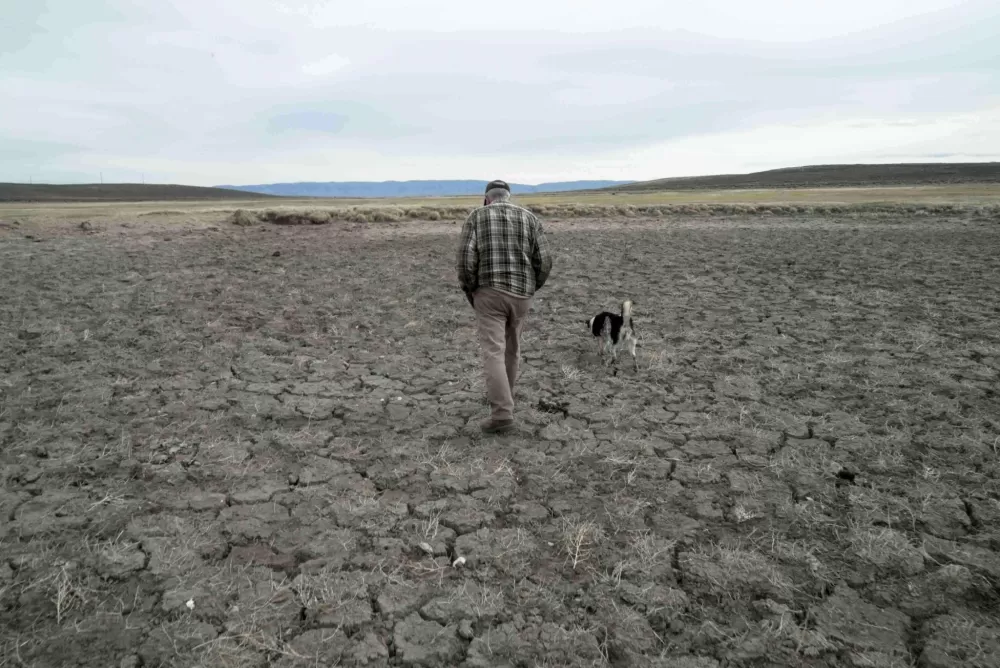
You know, it feels like the weather has become a constant topic of conversation, doesn't it? Lately, that chatter often drifts towards something quite worrying: the pervasive and intensifying drought conditions gripping vast swathes of the United States. It's not just a fleeting dry spell; we're talking about record-setting scarcity of rainfall and a genuinely concerning lack of snowpack that's casting a long, dark shadow over the landscape, fundamentally altering the rhythms of our land and threatening livelihoods.
When we think of drought, our minds often jump straight to the American West, and for good reason. This region, already naturally arid, is a fragile ecosystem that relies incredibly heavily on the winter snowpack in its majestic mountain ranges. That snow, you see, acts like a giant, slow-release reservoir, melting gradually through spring and summer to feed rivers, fill reservoirs, and irrigate the fertile valleys that provide so much of our nation's food. But lately, the snowpack? Barely there in many crucial areas. When the snows don't arrive, or melt far too quickly, it creates a cascading crisis: empty reservoirs, parched farmlands, and a desperate scramble for diminishing water resources. It’s a stark, almost visceral reminder of how precarious our connection to nature truly is.
Yet, it’s not just the West enduring this struggle. The Southeast, a region often associated with lush greenery and ample rainfall, is finding itself caught in its own unsettling pattern of drought. These aren't always the slow, creeping droughts of the West; sometimes they’re 'flash droughts,' arriving with startling speed, desiccating the landscape in mere weeks. Combine this with increasingly hotter temperatures, and you have a recipe for disaster. The ground becomes like tinder, vegetation brittle and ready to ignite at the slightest spark. It’s a scenario few would have predicted with such frequency a couple of decades ago, yet here we are.
And this lack of water, naturally, funnels into another grave concern: wildfire risk. When the land is this dry, when the vegetation is this brittle, wildfires don't just happen; they explode. A stray lightning strike, a discarded cigarette, even a spark from machinery can transform into an inferno that devours thousands of acres, threatens homes, livelihoods, and even lives. The wildfire season seems to be getting longer, more intense, and far more unpredictable, leaving communities perpetually on edge, their skies choked with smoke, their landscapes scarred and barren.
The economic ramifications, let's be honest, are immense. Agriculture takes a direct hit, leading to crop failures and rising food prices. Energy production, particularly from hydroelectric dams, suffers. Insurance costs skyrocket as the risk of property damage increases. Beyond the immediate economic toll, there's a profound human cost: the stress, the displacement, the long-term health effects from smoke inhalation. It's a complex, interconnected web of challenges that demands our attention, perhaps now more than ever. We're truly navigating uncharted waters, facing a future where water, once taken for granted, becomes an increasingly precious commodity.
Editorial note: Nishadil may use AI assistance for news drafting and formatting. Readers can report issues from this page, and material corrections are reviewed under our editorial standards.