A New Gene Therapy Gives Some Children Born Deaf a Chance to Hear
- Nishadil
- October 21, 2026
- 0 Comments
- 4 minutes read
- 4 Views
- Save
- Follow Topic
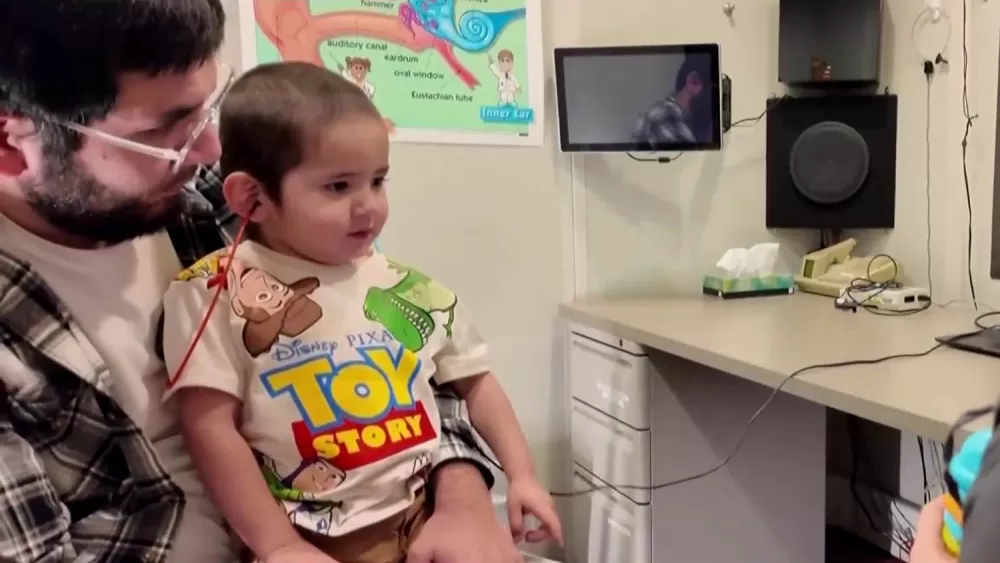
Groundbreaking gene treatment restores hearing in kids with congenital deafness
Early clinical trials show that a novel gene therapy can help children born deaf perceive sounds, sparking hope and debate in the medical community.
When Dr. Akshay Syal first stepped onto the set to explain the study, you could hear the excitement in his voice – and maybe a hint of nervousness, too. After all, we’re talking about a treatment that could finally give some kids who have never heard a single sound the ability to experience the world of music, laughter, and conversation.
The therapy in question isn’t a magic pill; it’s a tiny, engineered virus that carries a healthy copy of the OTOF gene directly into the inner ear. Babies born with mutations in this gene lack a functional protein called otoferlin, which is essential for turning the tiny vibrations of sound into electrical signals the brain can understand. Without it, the auditory nerve stays silent.
In the pilot study, researchers injected the viral vector into the cochlea of a handful of toddlers aged between 12 and 30 months. The procedure, performed under general anesthesia, took about 20 minutes – roughly the length of a cartoon episode. Afterwards, the children were monitored closely, and within weeks many began to respond to simple sound cues.
One mother, clutching a photo of her son smiling at a toy piano, described the moment she heard her child say “ba‑by” for the first time. “It was like the whole room lit up,” she recalled, her eyes glistening. Such anecdotes, while touching, are only part of the story. The researchers also ran objective hearing tests, like auditory brainstem responses, which showed measurable improvements in the treated ear.
But it’s not all triumphal fanfare. The therapy is still in Phase I/II, meaning safety is the top priority and long‑term efficacy remains uncertain. Some kids experienced mild inflammation in the middle ear, a side effect that was treated with a short course of steroids. No serious adverse events have been reported so far, yet scientists caution that larger, controlled trials are needed before the treatment could be offered widely.
Ethical considerations are bubbling up, too. Gene therapies are expensive – often running into hundreds of thousands of dollars per patient – and insurance coverage is still a gray area. Moreover, the Deaf community has voiced concerns that such interventions could erode cultural identity, emphasizing that any medical advance should respect individual choice.
Still, for families who have watched their children grow up in a silent world, the possibility of hearing is a profound gift. As the trial expands to include older children and perhaps even adults with similar genetic profiles, the medical field watches with bated breath. If the results hold up, we may be witnessing the first step toward a future where congenital deafness is no longer an irreversible condition.
For now, the story remains one of cautious optimism, science‑driven hope, and a reminder that breakthroughs often arrive wrapped in complexity, conversation, and a lot of human emotion.
Editorial note: Nishadil may use AI assistance for news drafting and formatting. Readers can report issues from this page, and material corrections are reviewed under our editorial standards.