
A New Era of Connectivity: Delhi-Dehradun Expressway Set to Transform Travel
- Nishadil
- April 14, 2026
- 0 Comments
- 2 minutes read
- 36 Views
- Save
- Follow Topic
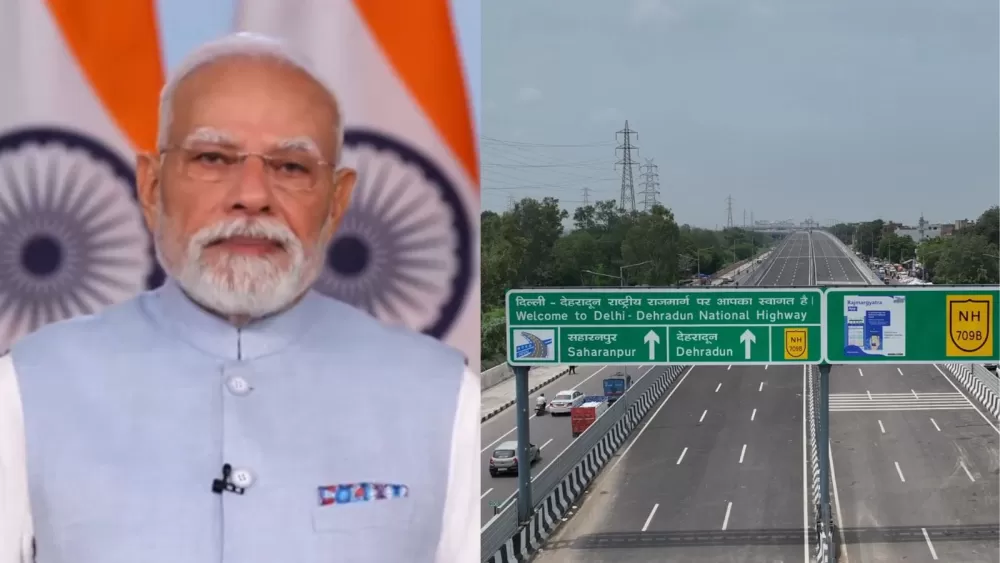
PM Modi to Inaugurate Groundbreaking Delhi-Dehradun Expressway, Featuring India's First Elevated Wildlife Corridor
Get ready for a monumental shift in travel between Delhi and Dehradun! The upcoming expressway, slated for an April 14th inauguration by Prime Minister Narendra Modi, will slash travel time from 6.5 hours to a mere 2.5 hours. Beyond sheer speed, this ambitious project boasts India's pioneering 12-kilometer elevated wildlife corridor, ensuring safe passage for animals in the Rajaji National Park area. It's a true blend of progress and environmental consciousness.
Imagine cutting your travel time from Delhi to Dehradun by more than half. That's precisely what's on the horizon with the much-anticipated Delhi-Dehradun Expressway, a project that's been making waves for all the right reasons.
The buzz is real: Prime Minister Narendra Modi is reportedly set to inaugurate this groundbreaking infrastructure marvel around April 14th. This isn't just another road; it's a testament to ambitious planning, promising to transform a grueling 6.5-hour journey into a breezy 2.5-hour drive. Think about it – that's a game-changer for commuters, tourists, and businesses alike, drastically enhancing accessibility to Uttarakhand's beautiful hills and pilgrimage sites!
But here's where it truly shines, folks, and frankly, it's a detail that deserves a major spotlight: this expressway features India's very first 12-kilometer elevated wildlife corridor. Yes, you read that right. It's an ingenious solution, meticulously designed to ensure the safe passage of animals across the sensitive Rajaji National Park area. It's a fantastic blend of human ingenuity and environmental responsibility, showing that progress doesn't have to come at the cost of our precious natural heritage. It really sets a new benchmark for ecological infrastructure.
The expressway itself is a sprawling 210-kilometer marvel, weaving its way through crucial points like Haridwar, Muzaffarnagar, Shamli, Baghpat, Meerut, and Ghaziabad, before connecting seamlessly to Delhi. The journey begins with a fresh, greenfield alignment from Akshardham, making the initial stretch into Baghpat a smoother, more modern experience. Sections of it are already humming with traffic, a testament to the immense effort that's gone into its phased completion, pushing towards that crucial March 2024 deadline.
With an estimated cost of around Rs 12,000 crore, this project is nothing short of monumental. Beyond the sheer convenience, its impact on regional economies is going to be profound. Think about the easier flow of goods, the significant boost to tourism in Uttarakhand, and the opening up of new avenues for growth in all the connected regions. It’s not just about getting from point A to point B faster; it's about connecting communities, fostering prosperity, and truly integrating these vital parts of India.
So, as we gear up for what promises to be a landmark inauguration, it’s clear the Delhi-Dehradun Expressway is more than just tarmac and concrete. It’s a symbol of modern India’s infrastructure ambitions, thoughtfully designed, and poised to make everyday life just a little bit easier, a little bit greener, and a whole lot faster. It’s quite a feat, isn't it?
- India
- News
- Crime
- CrimeNews
- PmModi
- SustainableDevelopment
- Connectivity
- IndiaInfrastructure
- RoadDevelopment
- DelhiDehradunExpressway
- TravelTimeReduction
- UttarakhandTourism
- RajaJiNationalPark
- DelhiDehradunExpresswayRoute
- ElevatedWildlifeCorridor
- DelhiDehradunExpresswayStatus
- ExpresswayInaugurationIndia
- DelhiDehradunRouteBenefits
- NationalHighwayProjectIndia
- 210KmIn150MinutesRoad
- ExpresswayIndiaUpdate
- DelhiDehradunTravelTime
- PmModiExpresswayLaunch
- DelhiDehradunHighway
Editorial note: Nishadil may use AI assistance for news drafting and formatting. Readers can report issues from this page, and material corrections are reviewed under our editorial standards.


