350‑Year‑Old African Baobab Tree Cracks Open in Thoothukudi After Violent Storms
- Nishadil
- October 23, 2026
- 0 Comments
- 3 minutes read
- 3 Views
- Save
- Follow Topic
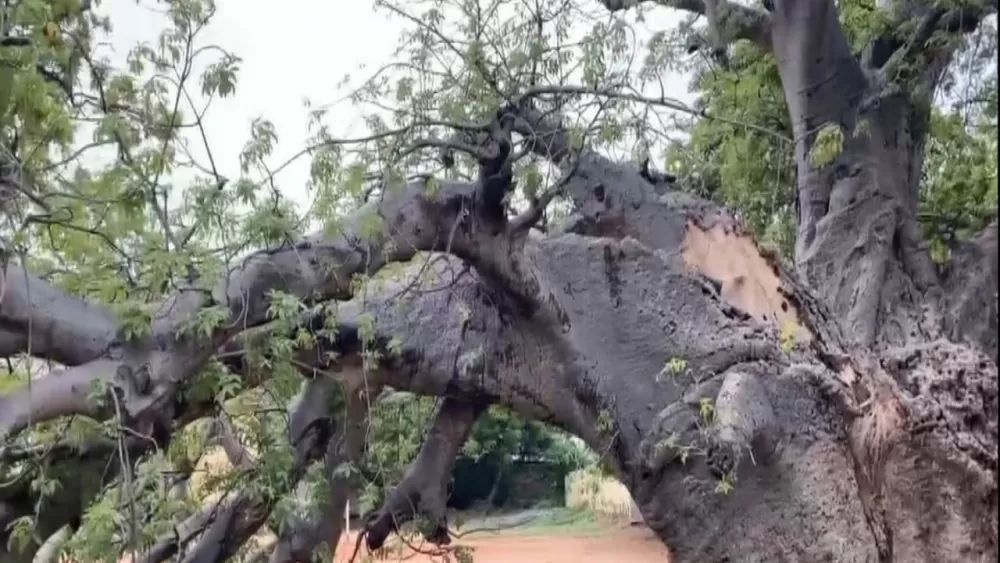
Historic Baobab Tree Splits Amid Thoothukudi Rain
A 350‑year‑old African baobab on the campus of SAV Higher Secondary School in Thoothukudi has cracked in two after heavy rain, prompting locals and alumni to plead for urgent restoration.
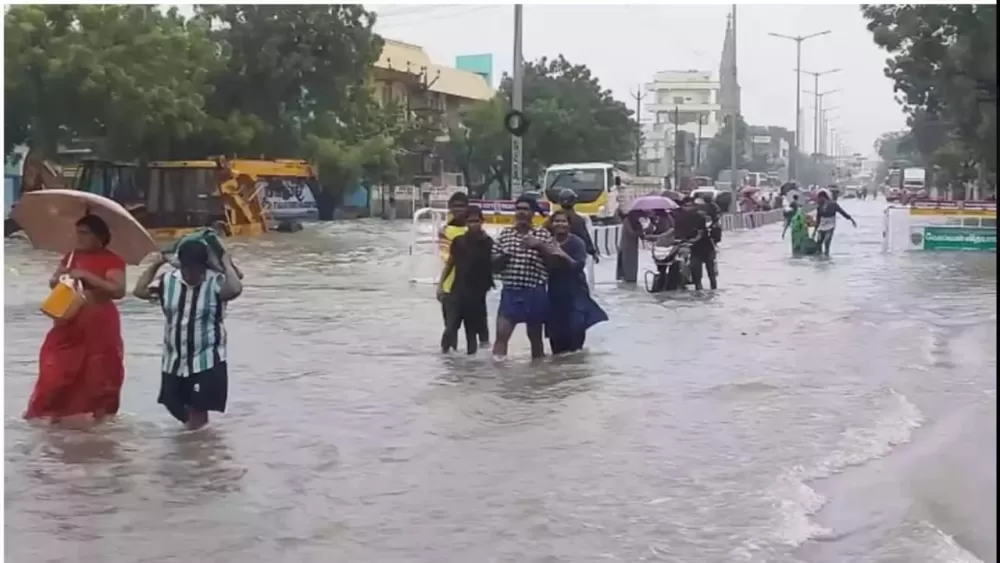
When the monsoon clouds finally broke over Thoothukudi, the downpour was anything but gentle. A sudden, fierce thunderstorm lashed the coastal town, and the ancient giant standing in the middle of the Saraswati Anglo‑Vernacular (SAV) Higher Secondary School’s courtyard could not escape its wrath.
The baobab – a rare African species that somehow took root on Indian soil three and a half centuries ago – split cleanly into two sections. The crack ran like a jagged scar, exposing the gnarled heartwood that has withstood generations of students, teachers, and passing travelers.
Dr. S. Sivasailam, a psychiatrist who studied at the school in the 1990s and has lived in Thoothukudi for thirty years, stood before the damaged tree, his voice a mix of disbelief and urgency. “I’m Dr. Sivasailam, I studied at SAV, which was founded in 1851. The school is turning 175 years old, but this tree is older – probably about 350 years,” he explained, his words tinged with a hint of nostalgia.
He went on to recount the folklore that swirls around the tree’s mysterious origin. Some locals say Arab traders brought the seed from South Africa centuries ago; others claim a wandering Christian priest was the one who planted it. “It doesn’t belong to India, that’s for sure,” he added, chuckling softly, “but it’s become part of our history, part of our everyday scenery.”
Baobabs are famed for their remarkable longevity, often living for three to four hundred years. Their massive trunks store water, helping them survive droughts and harsh climates. Yet, even such resilience can be shattered by extreme weather. “Yesterday we had a heavy downpour and a strong thunderstorm. The tree simply gave way and split into two,” Dr. Sivasailam said, his voice betraying a note of anguish.
In the wake of the split, the former student appealed directly to the district administration. “I humbly request that the authorities act quickly, send a team of arborists or forest‑department experts, and take measures to prevent further damage,” he urged. He suggested supportive cabling, careful pruning, and a detailed health assessment to see if any part of the giant can be saved.
Environmentalists, heritage enthusiasts, and alumni have echoed his plea, fearing that the loss of such a living monument would erase a tangible link to the town’s layered past. The hope now rests on whether officials will mobilise the necessary expertise before nature takes its next turn.
Until then, the split baobab stands as a poignant reminder: even the oldest witnesses can be vulnerable, and safeguarding them often requires swift, collective action.
Editorial note: Nishadil may use AI assistance for news drafting and formatting. Readers can report issues from this page, and material corrections are reviewed under our editorial standards.