Why Star Wars: Zero Company Deserves a Proper Sequel
- Nishadil
- October 24, 2026
- 0 Comments
- 3 minutes read
- 7 Views
- Save
- Follow Topic
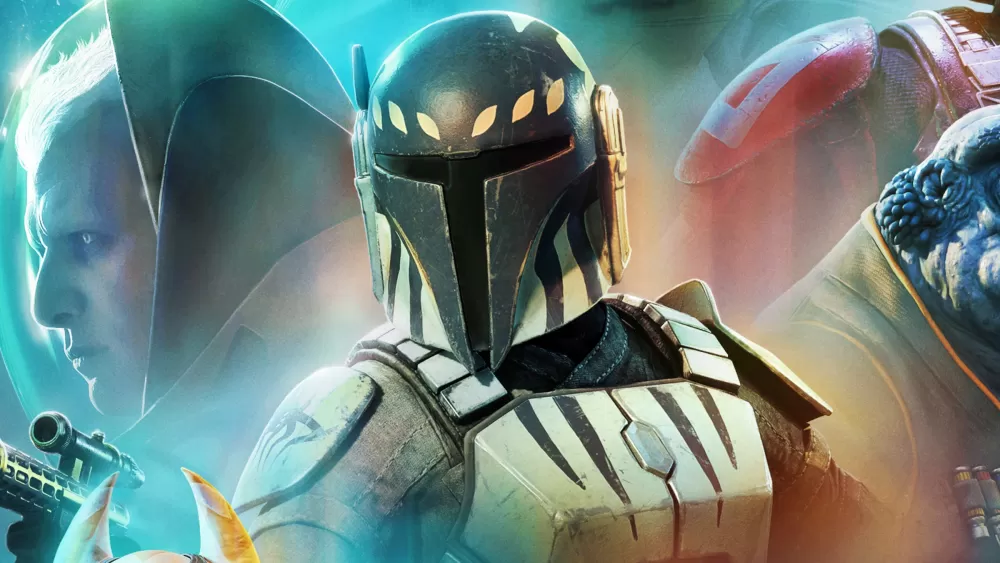
Star Wars: Zero Company has too much potential to be left behind
Bit Reactor’s tactical RPG shines with Star Wars flair, but limited squad size and repetitive maps hold it back. A sequel could turn those flaws into fresh strengths.
From the moment you click ‘Start Mission’ in Star Wars: Zero Company, the game hooks you with a blend of tactical depth and galactic swagger. It feels like the designers took everything that made XCOM 2 a benchmark for turn‑based combat and tucked it inside a universe you can’t stop talking about.
The combat itself is solid. You position four operatives, line up cover, manage cooldowns, and watch blaster fire sizzle across the battlefield. The little touches—like a stormtrooper’s clanking armor or a lightsaber’s hiss—give each encounter a distinct Star Wars flavor that you won’t find in a generic sci‑fi shooter.
But here’s the rub: the game’s structure starts to feel a bit cramped once you’ve cleared a handful of missions. Four‑person squads are fine for an introductory run, yet XCOM 2 lets you grow to six soldiers, opening up new tactical avenues. Players have already made mods to expand Zero Company’s roster, which tells you something—more operatives would instantly broaden the strategic sandbox.
Then there’s the map variety, or rather the lack of it. After a few deployments, the corridors and bunkers begin to look eerily familiar. XCOM 2 sidesteps this with procedural generation, shuffling rooms and objectives so each mission feels a little less predictable. Zero Company leans on handcrafted levels that, while beautifully rendered, start to repeat their own patterns. A sequel could combine the artistry of these set‑pieces with a dash of procedural flair to keep the terrain fresh.
Beyond the battlefield, the game’s progression system feels a tad static. Right now, once you’ve built a competent squad, there’s little incentive to change tactics because the upgrade tree is relatively shallow. Imagine a system where operatives develop personal quirks—one might gain a bonus against droids after a near‑death encounter, another could start hating Imperial officers after a betrayal. Those kinds of emergent narratives would make each loss feel personal and each victory earned.
And let’s not forget the relationships already hinted at in the current build. The bond between squadmates is palpable, but it could be woven deeper into the strategic layer. Complementary abilities, shared trauma, or even morale penalties for losing a beloved teammate would add a human (or alien) element that XCOM only scratches on the surface.
All of this isn’t a call to turn Zero Company into a carbon copy of XCOM 2. It’s a reminder that the game already has a unique identity—its setting, its characters, its lore. What it needs is a sequel that embraces those strengths while borrowing the lessons that made other tactical RPGs endure. Bigger squads, richer map variety, and a living, breathing progression system could turn an already enjoyable experience into something unforgettable.
In short, Star Wars: Zero Company has proved the formula works. With a little polish and some thoughtful expansions, the next chapter could finally give fans the epic tactical adventure they’ve been waiting for.
Editorial note: Nishadil may use AI assistance for news drafting and formatting. Readers can report issues from this page, and material corrections are reviewed under our editorial standards.