When Community Collides: The Greenfield Bar Controversy and the Weight of Vulnerability
- Nishadil
- September 27, 2026
- 0 Comments
- 4 minutes read
- 32 Views
- Save
- Follow Topic

A Small Queer Bar's Mask Mandate Shift Ignites a Fierce Debate Over Accessibility and Survival
The Last Ditch Bar in Massachusetts, a beloved community space, faced a storm of criticism after easing its mask policy due to financial struggles, sparking a vital but painful conversation about supporting immunocompromised individuals while keeping small businesses afloat.
Picture this: a small, vibrant community hub, a place meant to be a haven, suddenly finds itself at the heart of a blistering storm. This is precisely what unfolded at the Last Ditch Bar and Arts Venue in Greenfield, Massachusetts. What began as a desperate attempt to stay afloat financially quickly spiraled into a heated national debate, shining a stark light on the complex, often heartbreaking, realities faced by immunocompromised individuals and the businesses striving to serve everyone.
Opened in 2025, Last Ditch isn't just any bar; it's a unique lesbian bar and arts venue nestled in Western Massachusetts. From its very inception, it embraced a mission of accessibility and community support, operating with a "pay-what-you-can" model and even featuring a "free store." And, crucially, since 2020, it had upheld a rigorous mask mandate, requiring well-fitted KN-95 masks or better from all patrons. It was a commitment to safety, a promise to its most vulnerable community members.
But even the noblest intentions, you see, often collide with harsh economic realities. Jackie Matellian, the sole remaining owner steering the daily operations, found herself in an increasingly precarious position. Her two co-founders had stepped back months earlier, one even enrolling in clown school – a quirky detail that only underscores the unconventional nature of this establishment. Matellian was grappling with significant financial strain, falling behind on rent and working multiple jobs just to chip away at a daunting $50,000 startup loan. It was, by all accounts, a desperate situation.
So, on August 31, 2026, the bar made a tough call, announcing on Instagram that masks would become optional on Saturday nights. The post, addressed to "immunocompromised disabled divas," was an attempt, perhaps a clumsy one, to acknowledge their most vulnerable patrons while trying to save the business. Oh, but the internet can be a swift and unforgiving judge, can't it? The backlash was immediate and fierce, igniting a firestorm of accusations. Critics swiftly branded the policy change as "ableism," discrimination, and a direct threat to the lives of vulnerable individuals. Some even likened it to a "mass disabling event" or a "eugenicist" attack, with some deeply unsettling comments wishing violence upon the establishment. An apology post from management only seemed to intensify the anger, largely due to a lack of alt-text for visually impaired readers – a detail that further highlighted the very accessibility issues at the heart of the dispute.
The controversy spilled over into the real world. A community meeting was hastily convened on September 11, 2026, with a licensed therapist brought in to mediate. Yet, even this attempt at reconciliation faltered, with attendees expressing outrage and some even leveling allegations of racial bias against the white mediator. It seems the raw emotions and deep-seated frustrations were simply too much to contain.
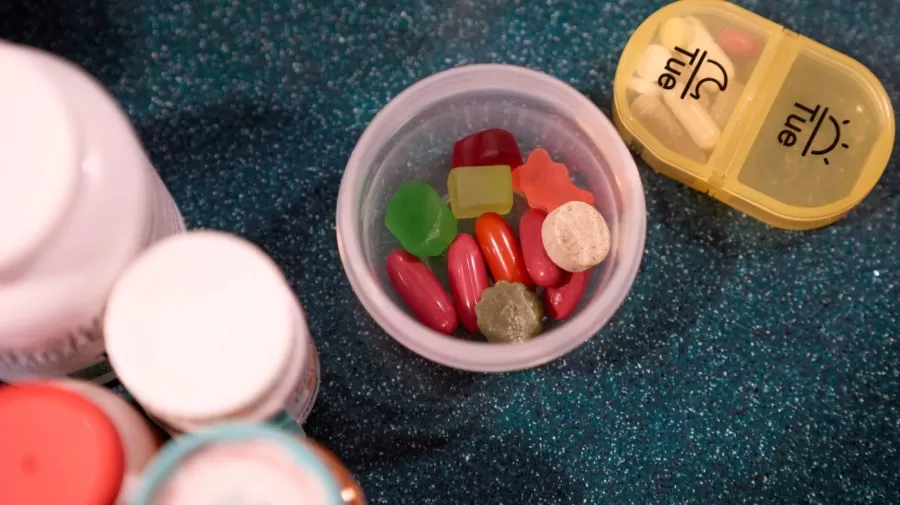
This whole situation, heartbreaking as it is for everyone involved, brings into sharp focus a critical question: what does it truly mean to be immunocompromised in our society? Let's be clear: it refers to a weakened immune system, often the result of conditions like cancer, HIV, or certain medications. These individuals are far more susceptible to infections and often don't respond as well to vaccines. The U.S. immunocompromised population has actually grown, now standing at about 6.6%. Imagine, for a moment, being William Schmidt, a patient at Temple University Hospital, recovering in a sterile room after chemotherapy, his immune system so severely compromised that even a common cold could be life-threatening. For people like William, a seemingly minor policy change at a local bar isn't just an inconvenience; it can literally be a matter of life or death.
Ultimately, the Last Ditch Bar controversy is more than just a local dispute. It's a thorny issue, isn't it? It perfectly encapsulates the incredibly difficult balancing act many businesses and communities face: how do you ensure economic survival for cherished, inclusive spaces while absolutely protecting the health and well-being of your most vulnerable members? It's a profound dilemma with no easy answers, leaving us all to ponder the true cost of accessibility and survival in a world still grappling with profound public health challenges.
Editorial note: Nishadil may use AI assistance for news drafting and formatting. Readers can report issues from this page, and material corrections are reviewed under our editorial standards.