Unfathomable Betrayal: Florida Couple Sues Fertility Clinic After Discovering Their Baby Isn't Genetically Theirs
- Nishadil
- February 05, 2026
- 0 Comments
- 3 minutes read
- 42 Views
- Save
- Follow Topic

A Family's Heartbreak: Florida Couple's Lawsuit Reveals IVF Nightmare After Shocking Embryo Mix-Up
Imagine the joy of finally welcoming a child through IVF, only to discover a devastating truth: the baby isn't genetically yours. This is the unimaginable reality for Cristina and Daniel Mango, a Central Florida couple now suing a fertility clinic over an alleged embryo mix-up, highlighting the profound emotional and ethical challenges within assisted reproduction.
The journey to parenthood, for so many, is a path paved with hope, anticipation, and sometimes, a deep reliance on medical science through processes like in vitro fertilization. It's a meticulously planned, deeply personal endeavor, often a last beacon of light for couples longing to start a family. But for one Central Florida couple, what began as a beacon has tragically devolved into an unimaginable nightmare – a harrowing legal battle stemming from the devastating discovery that the baby they brought home, the child they love, is not genetically theirs.
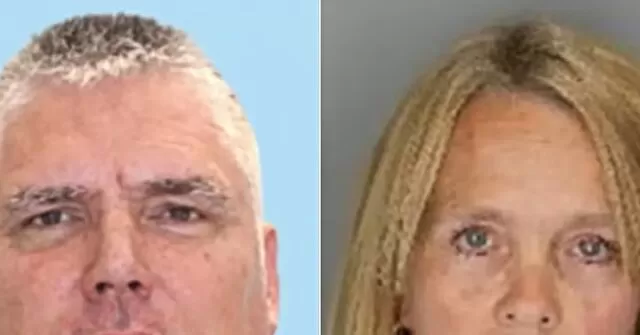
Cristina and Daniel Mango, a couple from the heart of Florida, are now embroiled in a lawsuit against the Oviedo-based IVF Fertility Center. Their allegations? A "horrendous error" during the IVF process, leading to the unthinkable: they were implanted with an embryo that wasn't genetically related to them. Think about that for a moment. All the hopes, all the dreams, all the careful planning, shattered by a fundamental, heartbreaking mistake.
The shock, as you can well imagine, must have been profound. To embrace a child, nurture them, watch them grow, only to learn through a DNA test that they carry someone else's genetic blueprint – it's a betrayal of the most intimate kind. The lawsuit details the immense emotional distress this discovery has inflicted upon the Mangos. How do you process such a revelation? How do you reconcile your deep love for a child with the knowledge that the genetic connection you believed was there, simply isn't? It throws everything into question: identity, family, and the very trust you placed in medical professionals.
This isn't just about a medical mishap; it's about the very essence of family and lineage. The Mangos had entrusted the clinic with their most precious hopes, their genetic material, their future. And, according to their legal filings, that trust was utterly breached. They allege medical negligence, claiming the clinic's failure to properly manage and identify embryos led to this catastrophic mix-up. It's a chilling reminder of the critical importance of stringent protocols and unyielding vigilance in fertility clinics, where the stakes are quite literally human lives and futures.
The couple is, understandably, seeking damages for the profound emotional suffering they've endured, for the disruption to their lives, and for what they describe as a "wrongful birth" – not in the sense of regretting their child, of course, but in the sense of the genetic identity they were denied. This lawsuit isn't just about compensation; it's about accountability. It's about ensuring that such a devastating error never happens to another hopeful family again. It's a cry for justice, demanding that clinics handle human embryos with the utmost care and precision, recognizing the immense trust placed in their hands.
Cases like the Mangos' send ripples through the entire fertility community, prompting serious questions about oversight, safety measures, and ethical responsibilities. It's a stark, painful reminder that behind every scientific procedure lies a deeply personal human story, full of vulnerability and profound longing. For Cristina and Daniel Mango, the road ahead is undoubtedly complex, fraught with emotional challenges, but their fight seeks not only personal justice but perhaps, a safer, more transparent future for others embarking on the fragile journey of assisted reproduction.
Editorial note: Nishadil may use AI assistance for news drafting and formatting. Readers can report issues from this page, and material corrections are reviewed under our editorial standards.