Theatre, Censorship, and M.R. Radha’s Clever Workaround in 1959
- Nishadil
- October 21, 2026
- 0 Comments
- 2 minutes read
- 7 Views
- Save
- Follow Topic
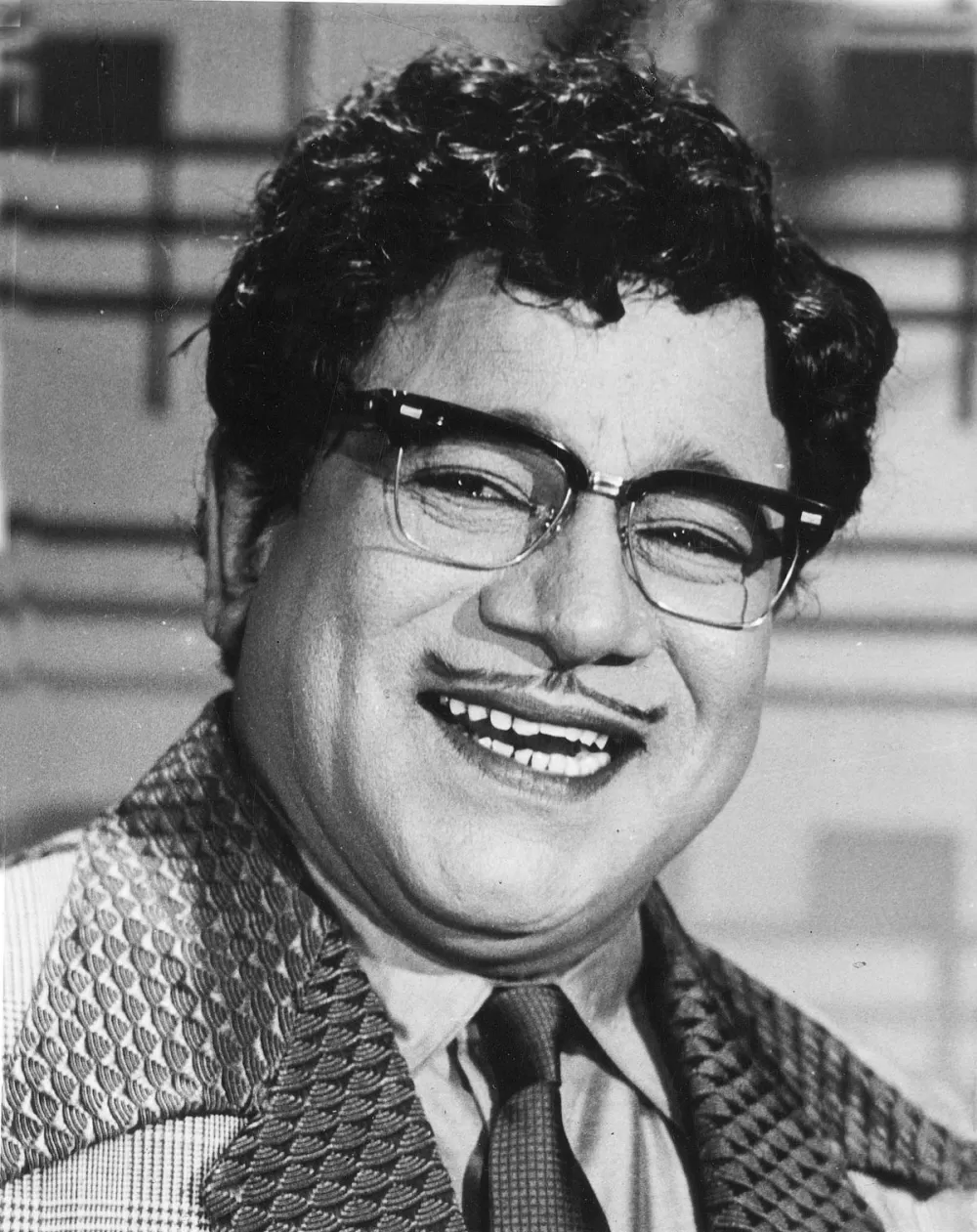
How M.R. Radha slipped a banned play past the Madras police in 1959
In 1959, veteran Tamil actor M.R. Radha evaded a government ban on his controversial drama by re‑filing a nearly identical play, igniting a courtroom drama that still haunts Tamil theatre.
When the Madras Government slapped a ban on M.R. Radha’s provocative stage show Thooku Medai on 25 April 1959, the decree read like a litany of accusations – it allegedly outraged religious sentiments, was indecent, scurrilous and outright obscene. For a man whose name was synonymous with fiery dialogue and daring performances, the order was both a blow and, oddly, an invitation.
Radha, ever the schemer, didn’t simply sit at home nursing his wounded pride. He dusted off another script – Kathal Bali – and presented it to the Madras Commissioner of Police. The paperwork looked clean, the title harmless enough, and a licence was granted. On 19 July 1959, under the open‑air canopy of Theagaraja College in Washermenpet, the drama unfurled before a packed crowd, its verses echoing the same satirical bite that had raised eyebrows in the banned version.
It didn’t take long for the police to sniff out the resemblance. Within days they realised that Kathal Bali was, in essence, a thinly veiled reincarnation of Thooku Medai. A case was filed, and the courtroom drama began – a tussle between artistic expression and the state’s moral compass.
The episode is more than a footnote in Tamil theatre history; it reveals how performers like Radha navigated the tightrope of censorship. He exploited a loophole, knowing that the bureaucracy hinged on paperwork rather than the play’s soul. In doing so, he highlighted the absurdity of a system that could ban a script one day and approve a near‑identical one the next.
Radha’s gambit left a lingering question for future artists: how far can one push the boundaries before the law catches up? The 1959 saga still reverberates in today’s discussions about freedom of expression on Indian stages, reminding us that the battle between art and authority is as old as the theatre itself.
Editorial note: Nishadil may use AI assistance for news drafting and formatting. Readers can report issues from this page, and material corrections are reviewed under our editorial standards.