The Unthinkable Ban: Could a Former U.S. President Be Barred from the Olympics?
- Nishadil
- March 14, 2026
- 0 Comments
- 4 minutes read
- 21 Views
- Save
- Follow Topic

Beyond Doping: Unpacking the WADA and Trump Discussion Surrounding an Olympic Exclusion
The global sports community is grappling with an extraordinary notion: could the World Anti-Doping Agency (WADA) or its international partners potentially ban a former U.S. President from attending the Olympic Games? This surprising discussion delves deep into the intersection of high-stakes politics and the revered integrity of international sport.
Picture this for a moment: a former President of the United States, a figure instantly recognizable across the globe, potentially barred from attending the Olympic Games. Sounds almost unbelievable, doesn't it? Like something straight out of a political thriller. Yet, this isn't just idle speculation; it’s a very real, albeit complex and nuanced, conversation that has quietly begun circulating within the often-contentious realm of international sports governance. And at the heart of this truly unprecedented discussion? The World Anti-Doping Agency, or WADA, an organization most people primarily associate with catching athletes who cheat.
Now, let's be absolutely clear from the outset: WADA's core mission, its bread and butter, is indeed about safeguarding the integrity of sport by keeping it free from performance-enhancing drugs. They are, in essence, the global watchdog, meticulously crafting and enforcing the anti-doping code, monitoring compliance, and, yes, imposing sanctions when athletes or even entire national federations step out of line. We’re talking about ensuring a level playing field, fairness, and the protection of clean athletes. But the very question being floated now stretches far, far beyond a mere urine test or a missed whereabouts filing. It delves into the broader, murkier waters of conduct, of what it truly means to uphold the 'spirit of sport,' and whether a high-profile individual's actions – even if ostensibly political – could be deemed detrimental enough to warrant an exclusion from the greatest sporting spectacle on Earth.
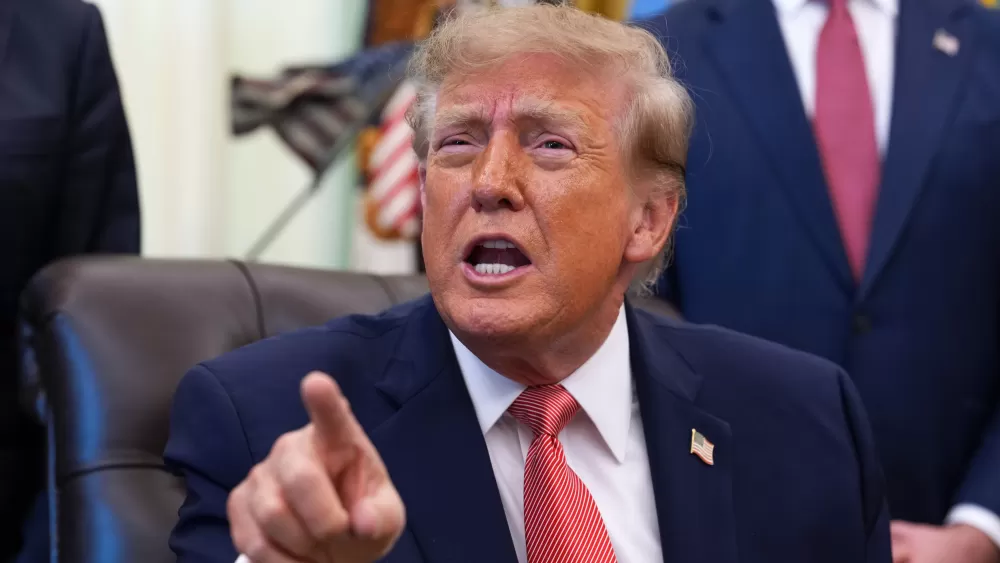
So, why is this even being talked about in relation to someone like former President Donald Trump? Well, throughout his presidency, particularly towards the latter half, there were numerous instances where his administration's stance on international sporting bodies, funding, and even specific events drew considerable attention and, let's face it, controversy. Remember the calls to potentially withdraw U.S. funding from WADA itself, or criticisms directed at various international sports organizations? These weren't just passing comments; they signaled a significant challenge to the established order of global sports governance. And when you threaten the stability or the financial underpinning of such critical bodies, you naturally raise eyebrows, especially within organizations whose very existence relies on international cooperation and adherence to shared principles.
The intricate legal framework governing the Olympics, you see, isn't just about athletic performance; it's also deeply concerned with the Olympic Movement's values and reputation. While WADA’s direct jurisdiction is specific to anti-doping, their influence within the broader Olympic ecosystem is substantial. They work hand-in-glove with the International Olympic Committee (IOC), national Olympic committees, and international federations. There are clauses, both within the World Anti-Doping Code and the Olympic Charter, that address actions bringing sport into disrepute or violating the fundamental principles of Olympism. Could past rhetoric or policy decisions, interpreted as undermining the very structure and independence of global sports organizations, fall under such a broad umbrella? It’s a fascinating, if somewhat alarming, legal and ethical tightrope walk.
This isn't to say a ban is imminent or even likely, mind you. The process for such an extraordinary measure would be incredibly complex, fraught with legal challenges, and politically charged beyond imagination. It would involve multiple layers of review, interpretation of very broad ethical clauses, and almost certainly a direct involvement of the IOC's ethics commission, perhaps even the Court of Arbitration for Sport. The political implications alone, given the individual involved, would be immense, creating a global spectacle far removed from the joyful competition we usually associate with the Games.
Ultimately, the mere fact that this discussion is happening, that the question of a former U.S. President's potential exclusion from the Olympics is even being seriously entertained in certain circles, speaks volumes. It underscores the ever-present tension between national politics and the supposedly apolitical world of international sport. It's a stark reminder that in an increasingly interconnected and scrutinized world, the actions and words of powerful figures, no matter their previous office, can have far-reaching and utterly unexpected consequences within even the most established global institutions. Whether this particular scenario ever comes to pass remains to be seen, but the conversation itself is a compelling testament to the evolving landscape of sports ethics and governance.
Editorial note: Nishadil may use AI assistance for news drafting and formatting. Readers can report issues from this page, and material corrections are reviewed under our editorial standards.